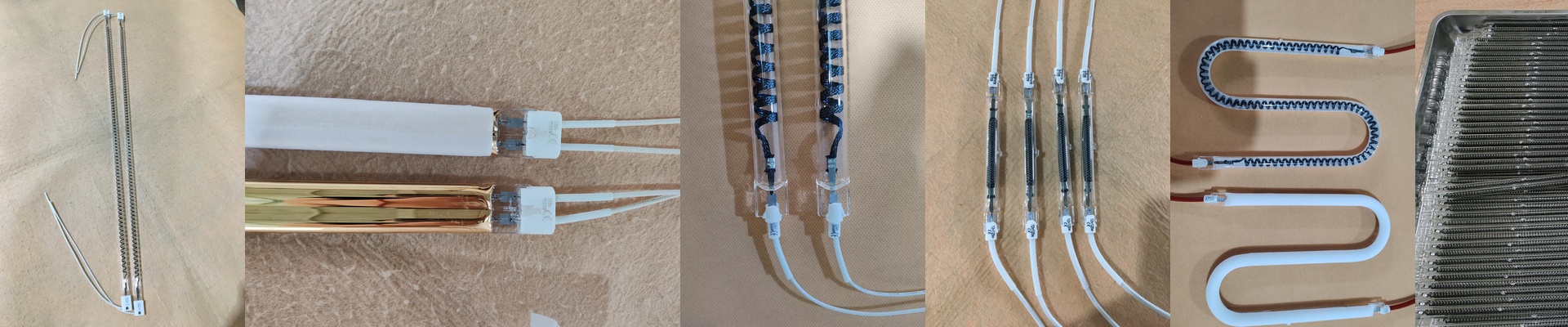

Getting Your Anatol Heat Just Right
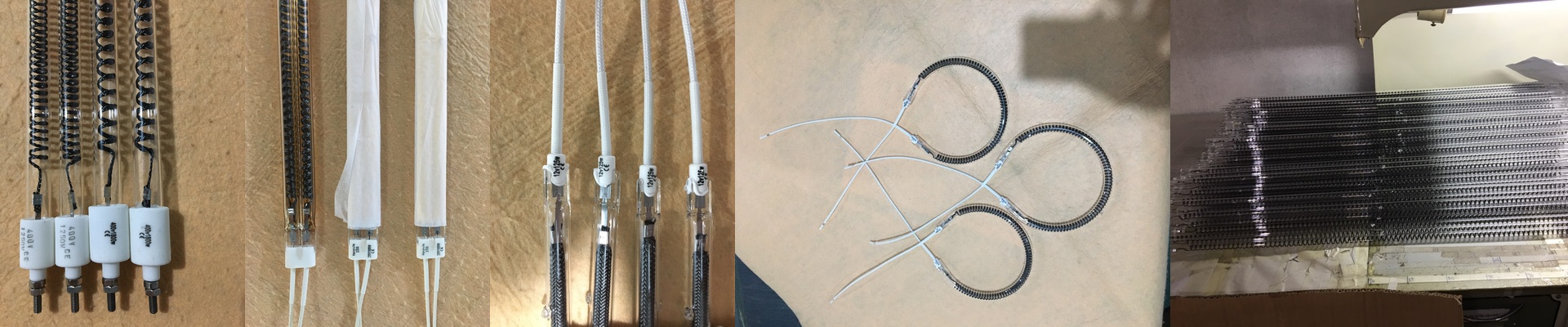
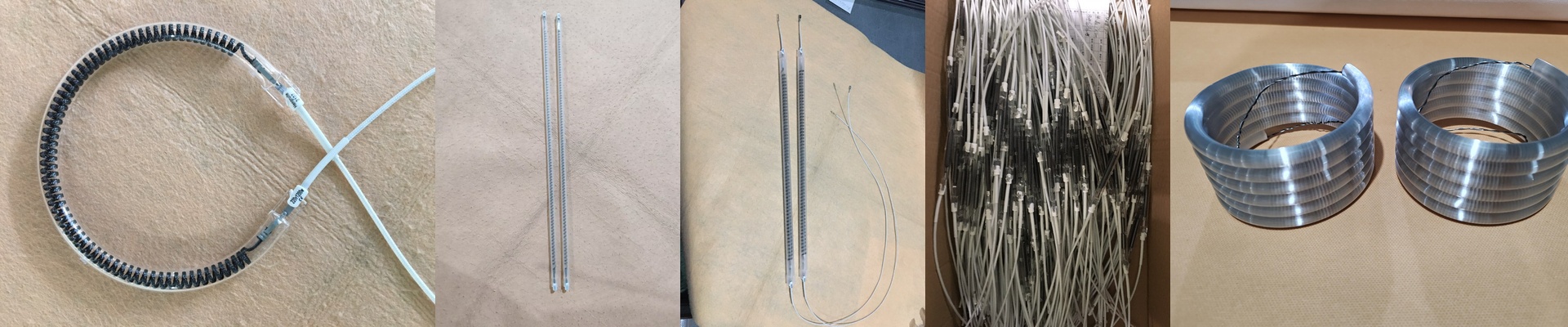
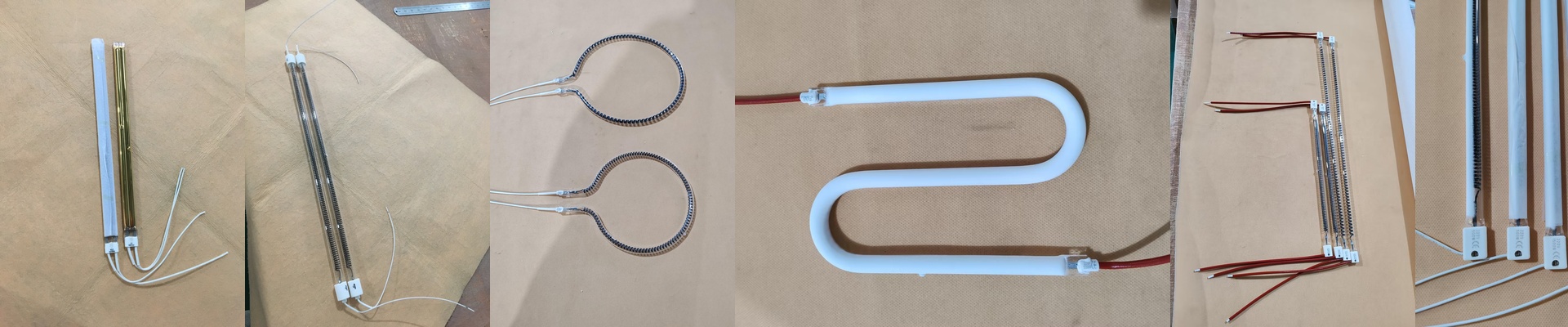
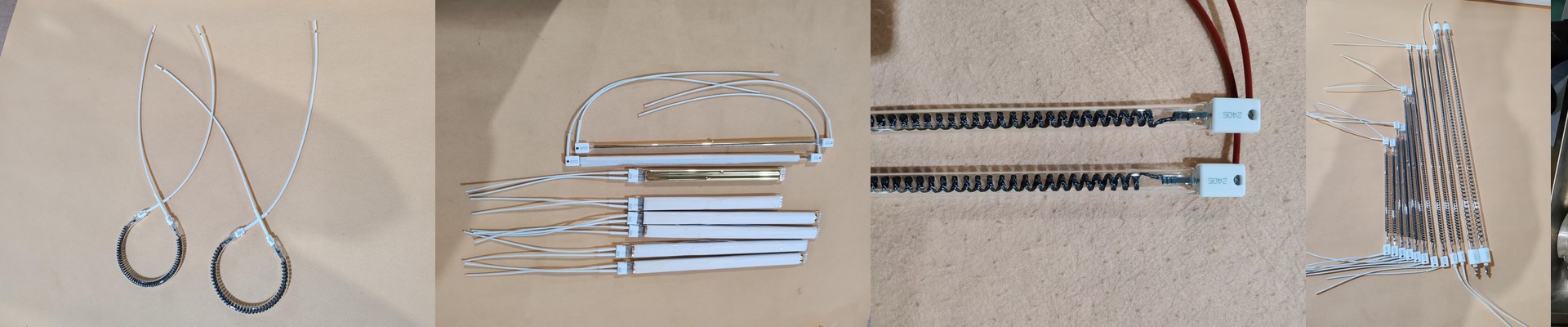
If you’re running an Anatol press, you know the drill. You need heat—and you need it now—to cure your inks and dry your materials. But it’s a balancing act. Too little heat and the ink smears; too much, and you’ve just ruined your substrate. Most people stick with the OEM lamps, but there’s a better way. Switching to domestic shortwave infrared (SWIR) tubes gives you the exact same thermal punch without the eye-watering procurement costs. Why shortwave? Here is the thing about these lamps: they use a halogen-filled quartz envelope. We use halogen because it stops the tungsten filament from evaporating and gunking up the glass. This keeps the tube crystal clear, meaning you get a steady, reliable heat flux for thousands of hours. Plus, shortwave radiation hits the material faster than medium or longwave options. You flip the switch, and the surface temperature jumps immediately. No waiting around. The nitty-gritty of the fit Matching the OEM efficiency isn’t magic; it’s about the wattage-to-length ratio. Your machine probably runs on 220V or 380V. If the filament resistance is even slightly off, your temperature setpoints will drift. It’s frustrating. That’s why we use precision-wound filaments. We make sure the heat density per centimeter is a mirror image of the original equipment. Plugging them in These are simple drop-in replacements. We use standard connectors, so you can just wire them up and get back to work without having to tear apart your machine’s chassis. But, a quick heads-up: high-wattage shortwave tubes create some intense, localized heat. They’re fast, but they’re hard on your reflectors. If your reflectors are pitted or oxidized, you’re basically throwing infrared energy away. Do yourself a favor: clean or replace your reflectors when you swap the lamps. That’s the only way to actually feel the efficiency gains. The bottom line Moving to domestic high-output quartz lamps just makes life easier. You aren’t waiting weeks for a shipment to arrive from overseas, and your curing speed doesn’t budge. Your line keeps moving at the same pace, but your spare parts budget finally gets a breather.