
Getting Your Adelco Tunnel Ovens to Actually Behave
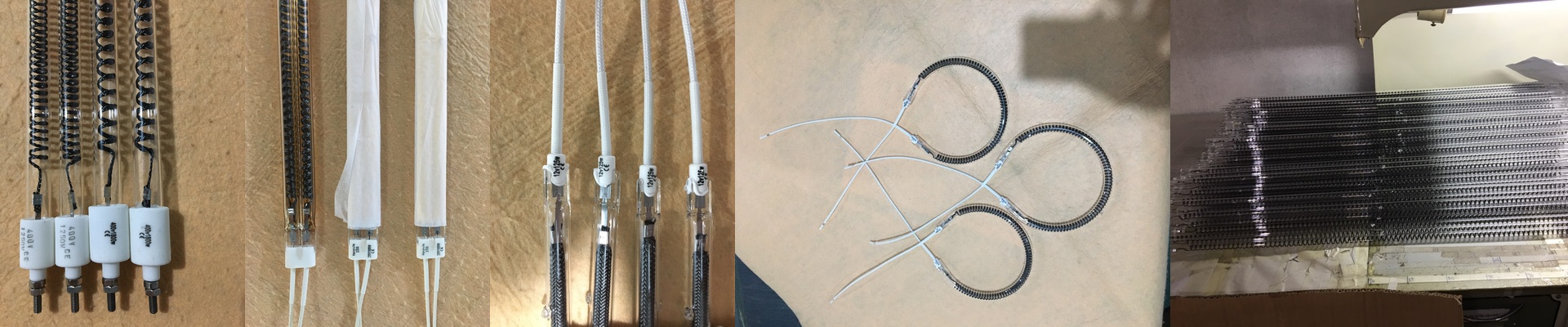
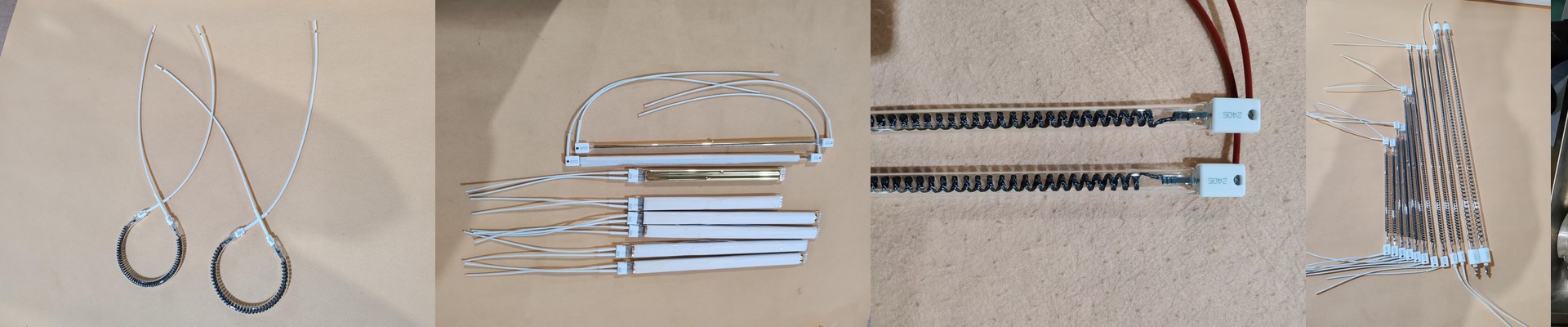
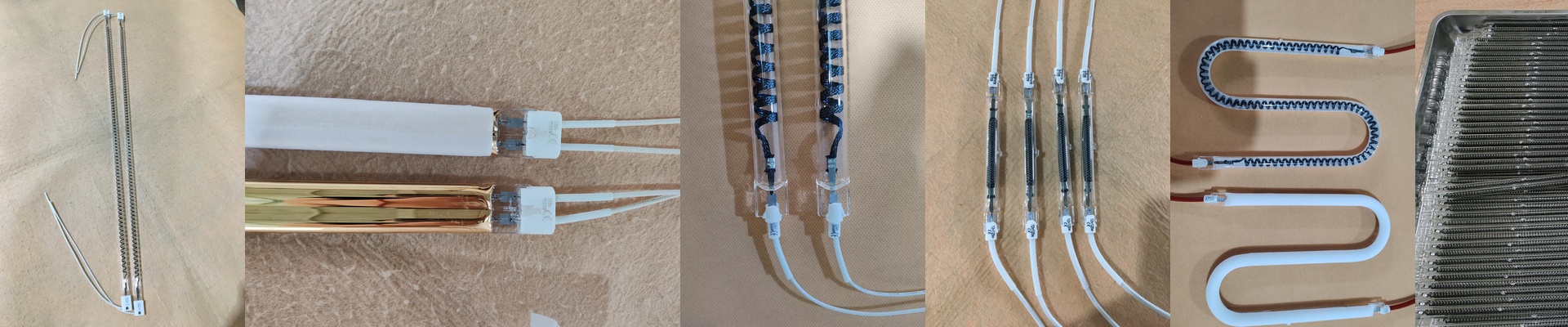
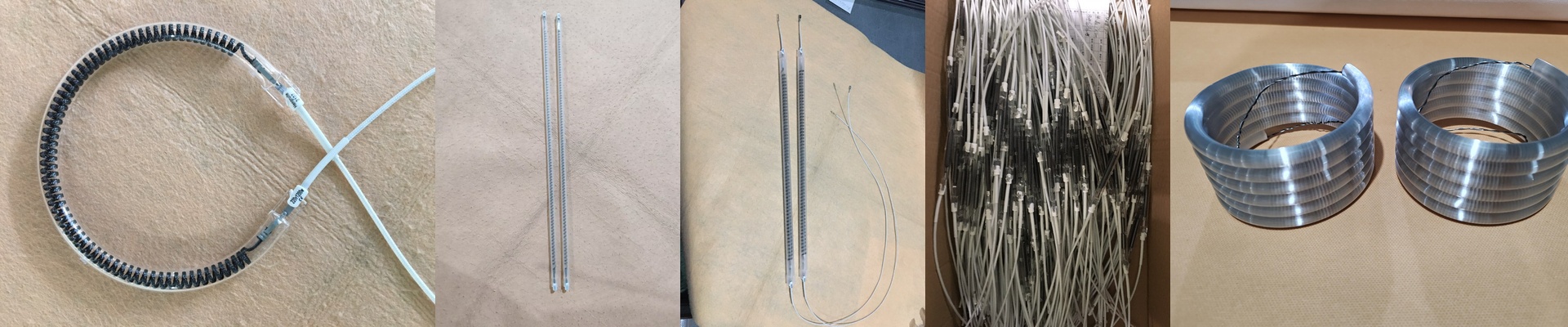
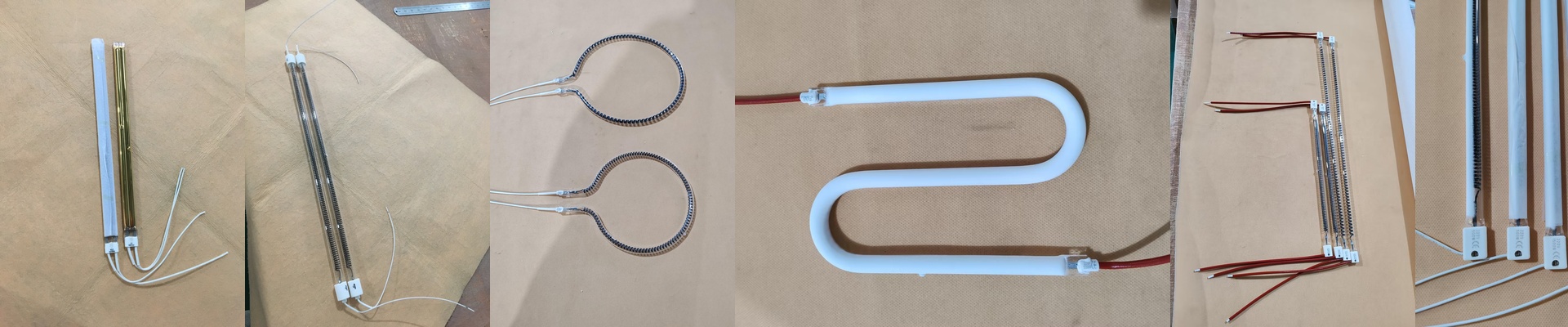
If you’ve ever spent a shift fighting with a long tunnel oven, you know the frustration. You hit your peak temp, but then you realize the ends of the line are lagging. You’ve got cold spots. You’ve got thermal drift. It’s a total headache for anyone trying to keep a process consistent. We deal with this by using high-output infrared (IR) lamps that are built specifically to hold their ground over a long run. The struggle with long-distance heat Here’s the thing: when you’re heating something over a long distance, you can’t let the heat density dip just because the conveyor is long. We stick with quartz-halogen tech because it keeps the filament centered and steady. And then there’s the wiring. If you’ve ever wired up a long line of lamps, you know that voltage drop is a nightmare. We use higher voltage ratings to push the wattage all the way to the end of the tunnel. That way, the last zone isn’t running lukewarm while the first zone is screaming. The gear under the hood These lamps just slide right into Adelco systems. No fuss. We use heavy-duty quartz glass because these things take a beating with rapid cycling—they need to handle that thermal shock without cracking. We also make sure the connectors are tight. In a loud, vibrating factory, a loose terminal is just an invitation for arcing and failure. We don’t want that. Plus, we often add special coatings to the quartz. This shifts the emission spectrum so the heat actually sinks into the part instead of just scorching the surface. It’s the difference between a surface-level singe and a deep, uniform cure. A quick heads-up on cooling Now, there is a trade-off. These high-wattage tubes put out a massive amount of heat. If your ventilation isn’t up to the task, that heat has nowhere to go. If you don’t pull that ambient heat away, you’re going to fry your lamp sockets or melt your external wiring. Just keep an eye on your airflow. It’s a small detail, but it’s what keeps your hardware from burning out.