The Secret Sauce Behind Industrial Solvent printer Heat
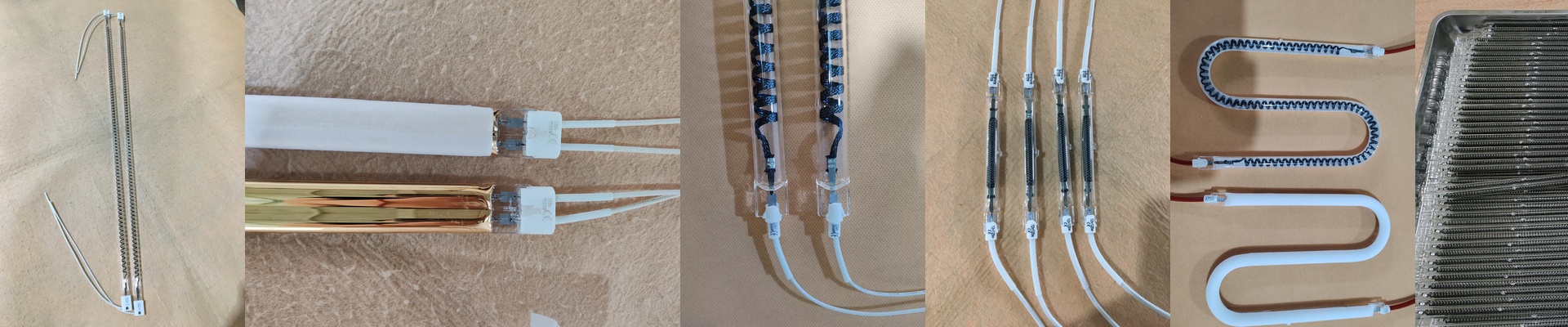
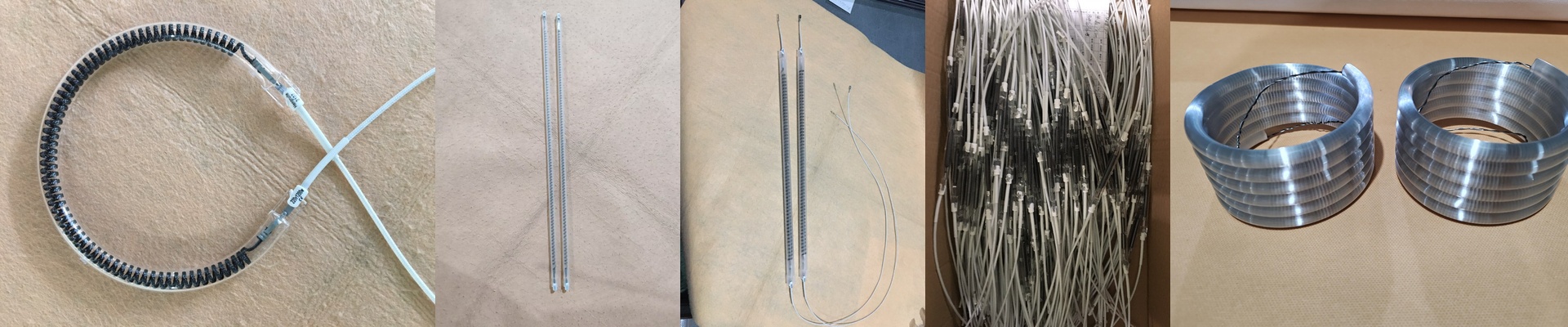
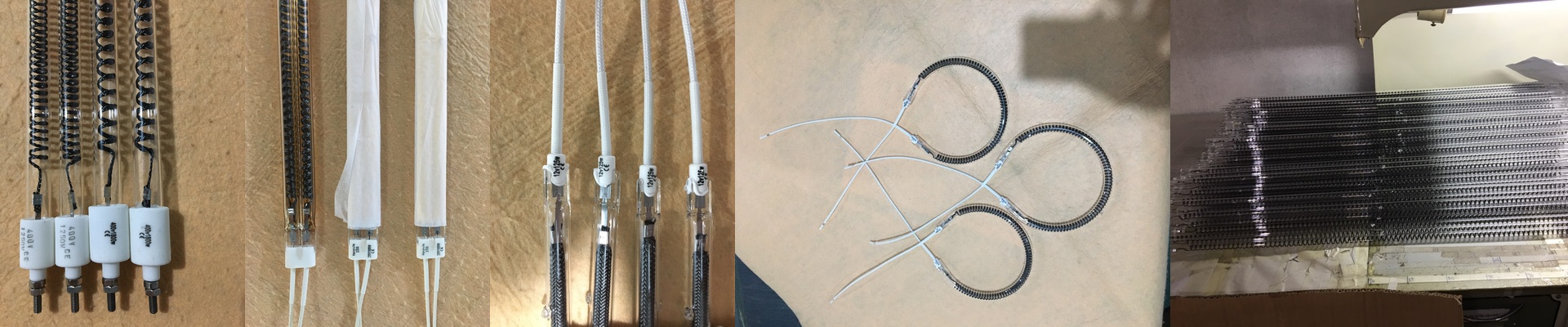
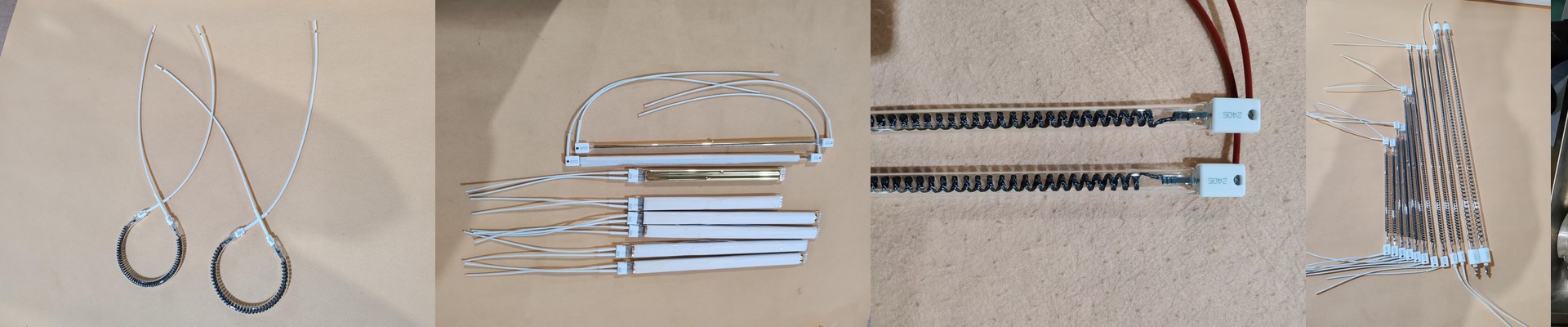
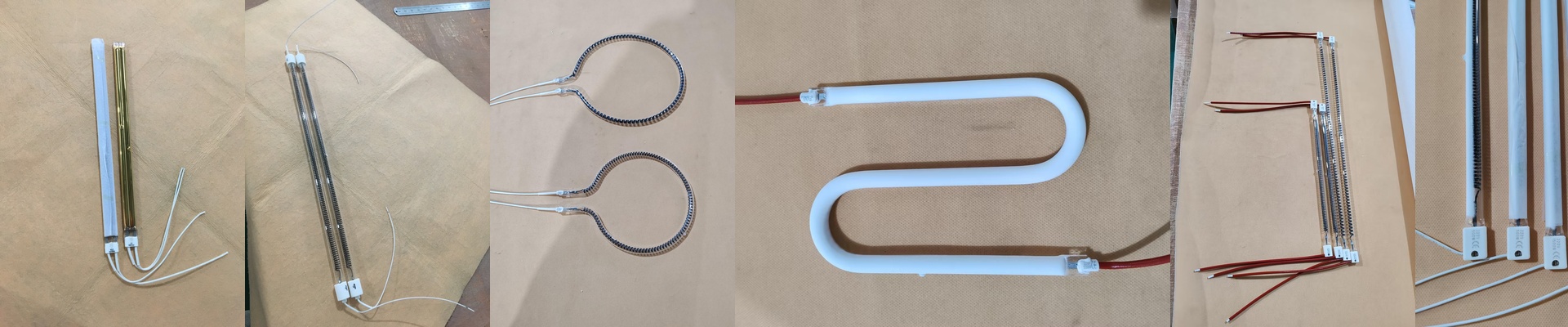
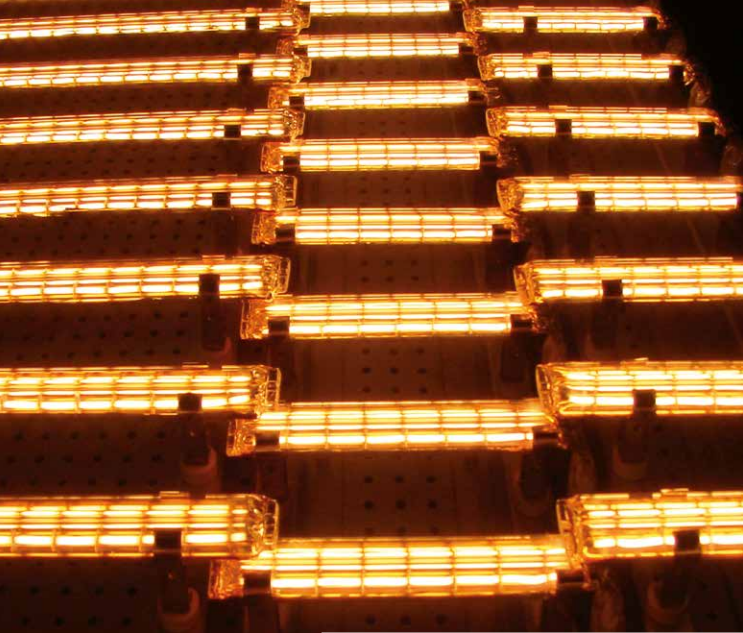
Here’s a little industry secret: most of the big-name printing brands don’t actually make their own heat sources. They come to us. And for good reason. Drying solvent ink is a delicate dance. You need just the right amount of heat and the right wavelength to flash those solvents off. If you miss the mark, you’re looking at a nightmare—ink pooling in some spots and warped media in others. It’s frustrating, and it wastes a lot of expensive material. Getting the Power Right We build these lamps to survive the grind of a continuous production line. When you’re running 24/7, you can’t wait around for things to warm up. We tweak the voltage and wattage so the filament hits operating temperature in a few seconds. It’s not as simple as wrapping a wire in quartz. We spend a lot of time calculating the ohms to make sure the lamp plays nice with your power supply. By using high-voltage setups, we can cram more power into a smaller space. That means more heat per inch. But a word of warning: high-density tubes are brutal on your reflectors. If your reflectors are dirty or pitted, you’re basically throwing away 20% of your heat. It just vanishes into the chassis. The Hardware Side of Things We use high-purity quartz glass because, frankly, we don’t want your lamps burning out early. For our OEM partners, we often add special coatings. These shift the infrared spectrum so the heat hits the ink layer directly, rather than overheating the vinyl or PET base. As for the plugs, we stick to the classics like R7s or SK15. Why? Because they just work. They’re drop-in replacements. A tight, secure fit is the only way to stop arcing at the terminals—which is exactly where those cheap, off-brand lamps usually give up the ghost. The Trade-off Now, these lamps put out a massive amount of energy. The upside is that your drying times plummet. The downside? Heat soak. If your cooling fans and heat sinks aren’t up to the task, your printer’s mainboard might trigger a thermal cutout just to save itself. We build our lamps to take a beating, but they’re only as good as your voltage regulation. Keep that stable, and you’re golden.