
A Better Way to Handle M&R Flash Drying
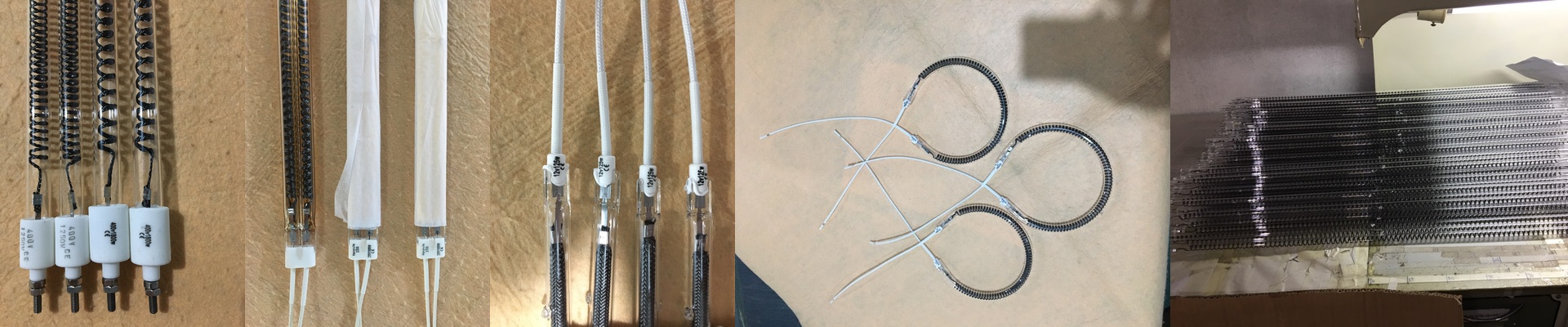
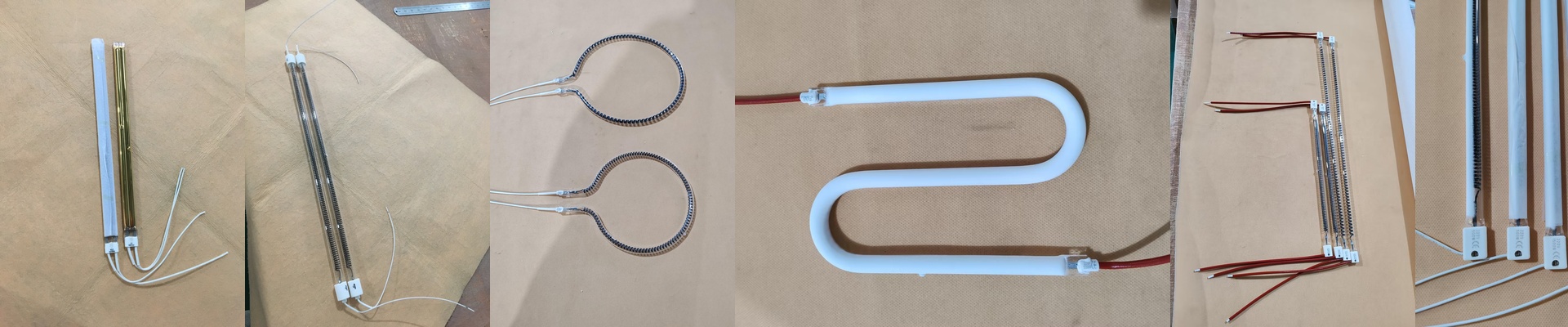
Let’s be honest: M&R flash curing systems are picky. If your infrared profile is off by even a little, you’re either looking at ink that isn’t dry or a ruined, scorched substrate. We spent a lot of time figuring out how to build a replacement lamp that hits those exact OEM specs without making you go broke on maintenance.
Getting the heat right
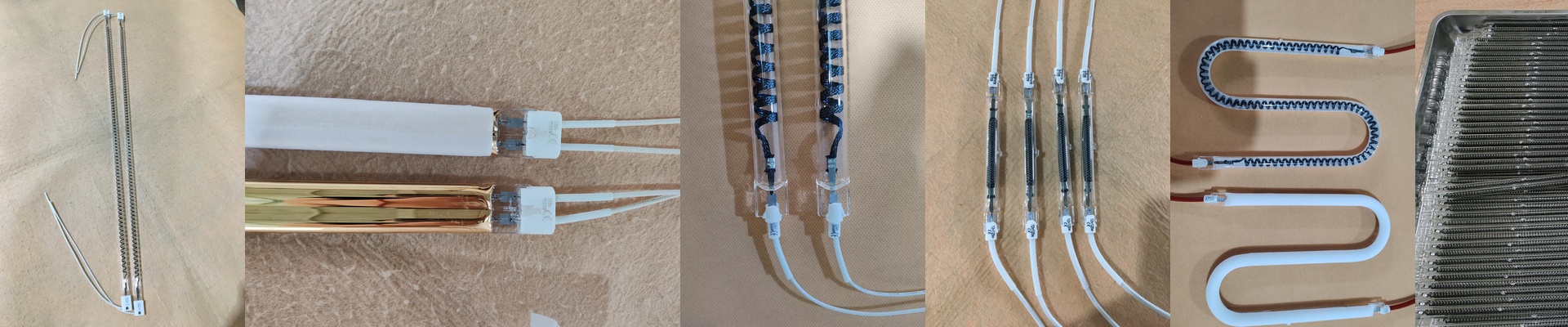
It all comes down to the balance between wattage and voltage. We made sure these lamps fit the electrical footprint of your M&R system perfectly. That means no blown fuses and no lagging when you’re running at full speed. We packed high wattage into a short quartz envelope to create a concentrated heat zone. The result? Your ink sets in milliseconds. It’s the same heat density you’re used to, but we tweaked the filament geometry so the bulbs don’t burn out nearly as fast.
No headaches, just a swap
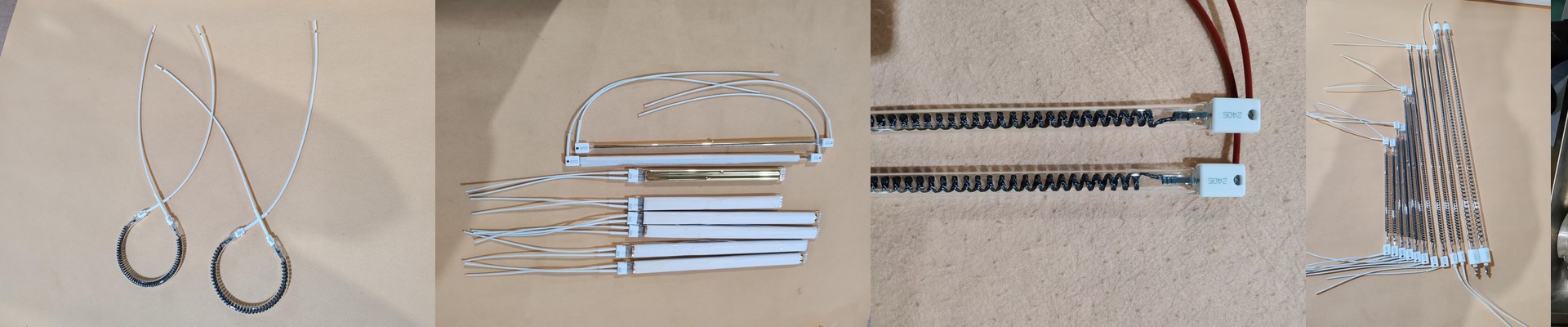
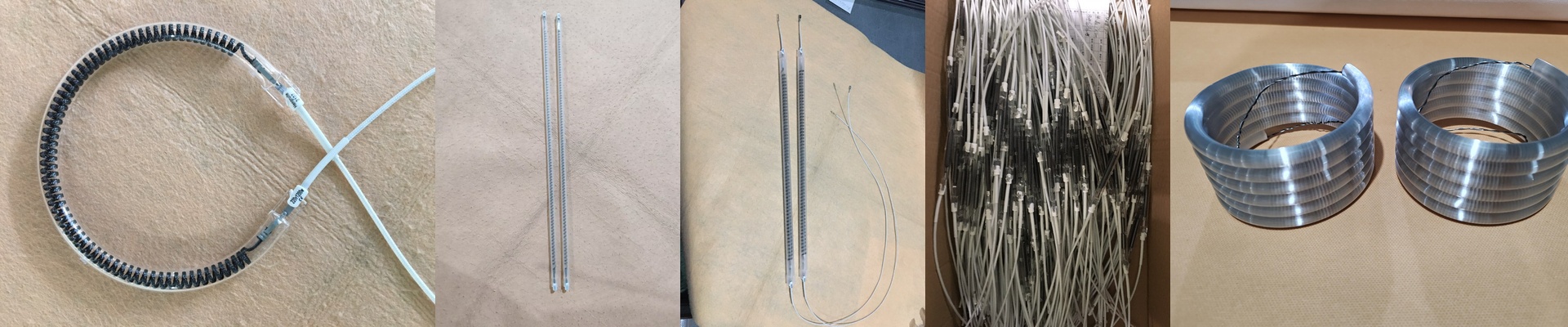
We used high-purity quartz glass because these things take a beating from constant rapid cycling. Depending on your machine, these use standard R7s or Sk15 connectors. They’re simple drop-in replacements. You don’t have to mess with your wiring or fiddle with the reflectors. We also added a halogen gas fill to stop the filament from evaporating too quickly. It just keeps the tube alive longer under a heavy load.
Some real talk for the shop floor
Now, these lamps are great, but they aren’t magic. If your reflectors are pitted or coated in ink mist, the heat isn’t going to hit the substrate. You’ll just be burning electricity for nothing. Also, because these tubes push so much heat, your exhaust fans have to be working. If the airflow drops, the housing gets too hot and you’ll kill the lamp’s lifespan. Keep the reflectors clean, keep your voltage steady, and you’ll get every single hour of life out of the quartz.