
The Secret to Getting Inter-Deck IR Drying Right
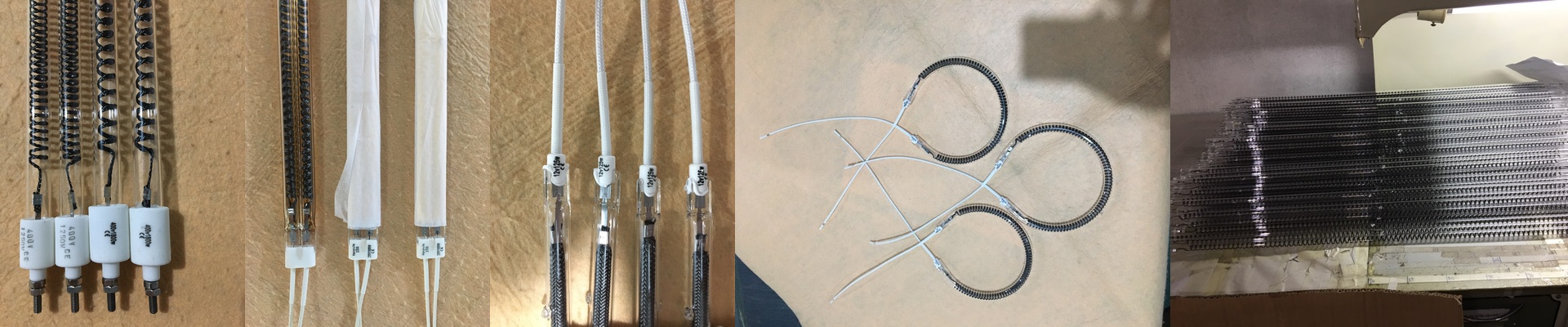
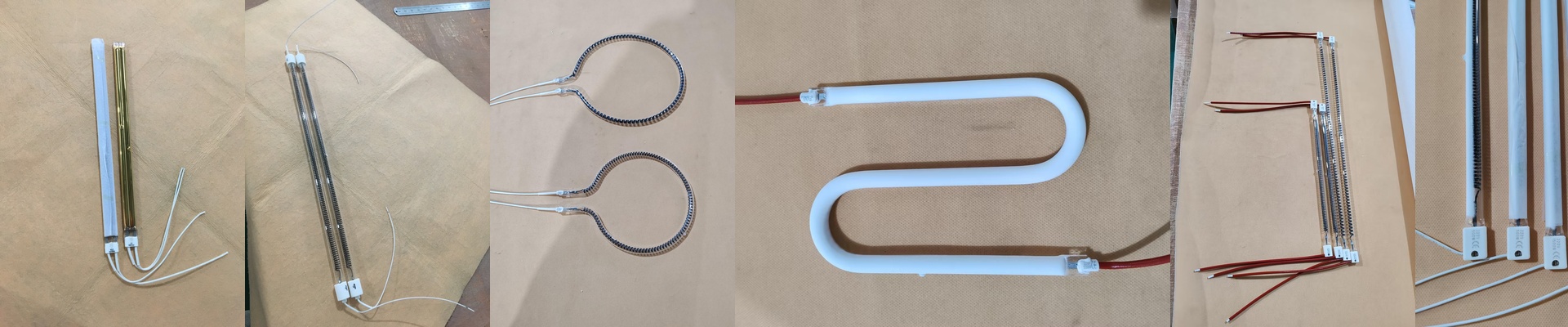
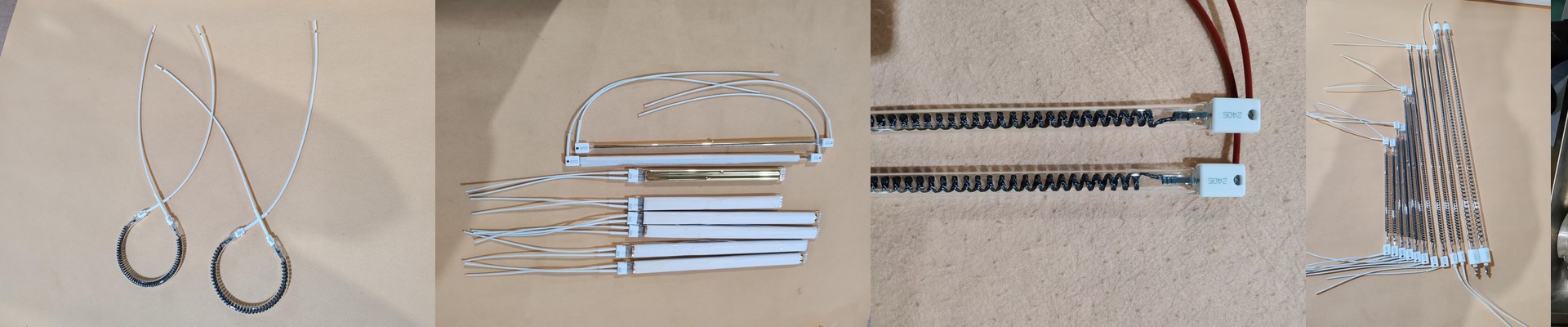
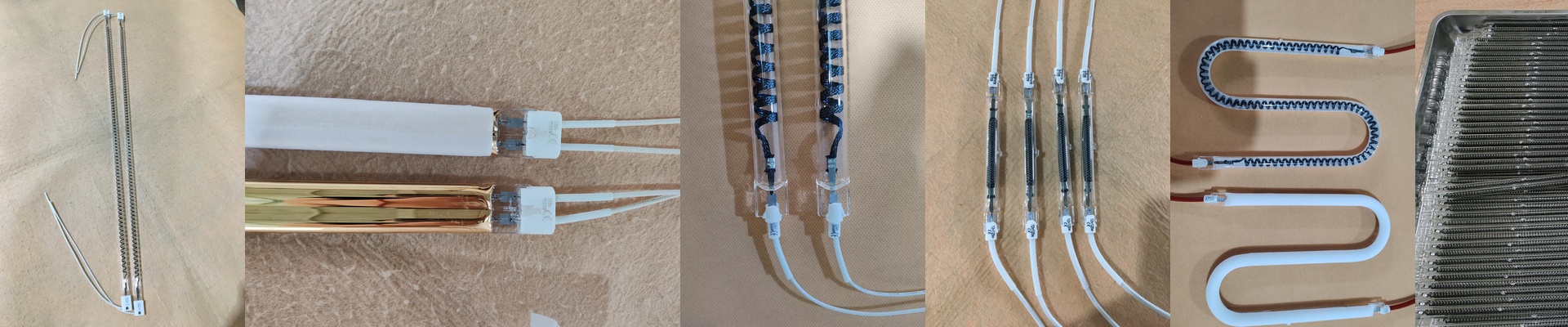
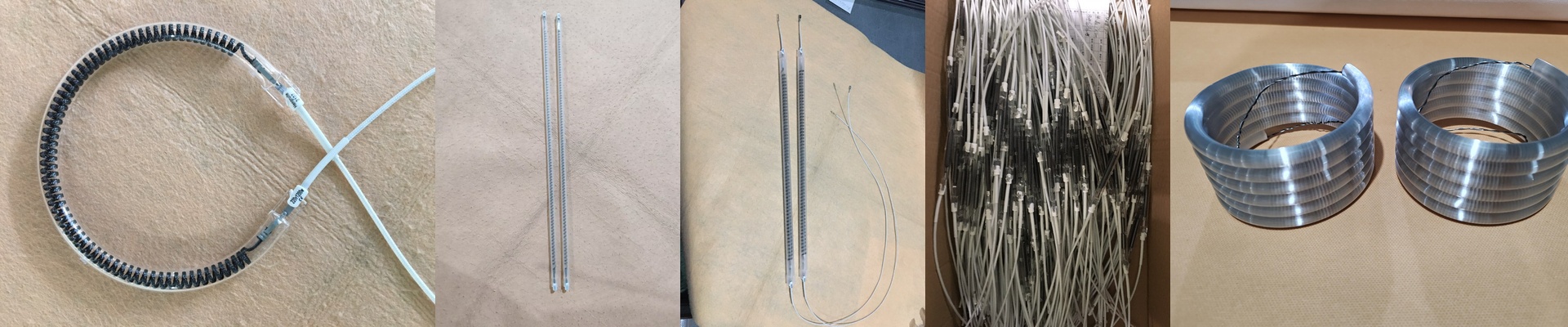
A lot of the big names in printing presses come to us for their OEM IR lamps. These aren’t your run-of-the-mill heaters. They’re the heavy lifters. In an inter-deck setup, you’ve got zero room for error—the ink has to set right now before it hits the next station, or you’re looking at a smeared mess and a wasted run. Let’s talk power. We build these tubes to pack a massive punch in a tiny space. To get that kind of heat without needing cables the size of your arm, we usually run them at higher voltages. A high-wattage shortwave tube hits the ink like a hammer, penetrating the layer instantly. That means you can crank up your line speeds. But here’s the catch: when you push that much power through a short tube, your reflectors take a beating. If your housing isn’t built to bleed off that heat, your frame is going to warp. It’s just physics. The nitty-gritty: Quartz and Connectors We use high-purity quartz glass. Why? Because we want the energy going into the paper, not getting trapped in the glass. Then there are the connectors. We stick with the classics—R7s or SK15. They just work. Whether your machine was built in Europe or the States, these drop right in. Plus, they actually handle the way filaments expand and contract when they get hot. I’ve seen cheap connectors arc and burn out in a heartbeat. We avoid that by using heavy-duty alloys. If you’re running a 24/7 production cycle, you need gear that can take a beating. The trade-off The best part about these lamps is how fast they wake up. They hit operating temperature in seconds. In an inter-deck system, you can’t spend twenty minutes waiting for a warm-up. But, there’s always a trade-off. If you drive a lamp at max wattage to hit some aggressive drying target, you’re going to eat through the filament faster. We spend a lot of time balancing the tungsten load. The goal is to give you the most heat possible without the tube popping the second you flip the switch to full power.