Picking the Right Carbon Infrared Heat Lamps: A No-Nonsense Guide
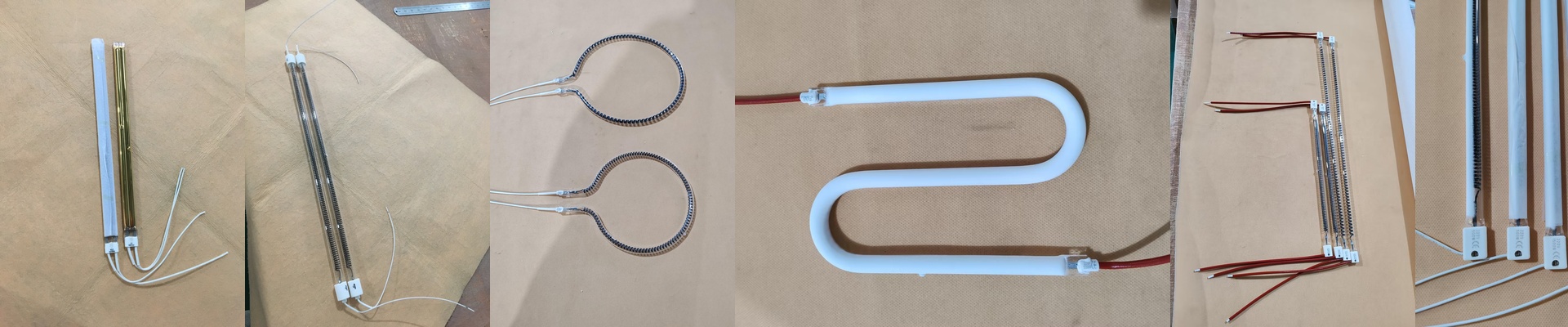
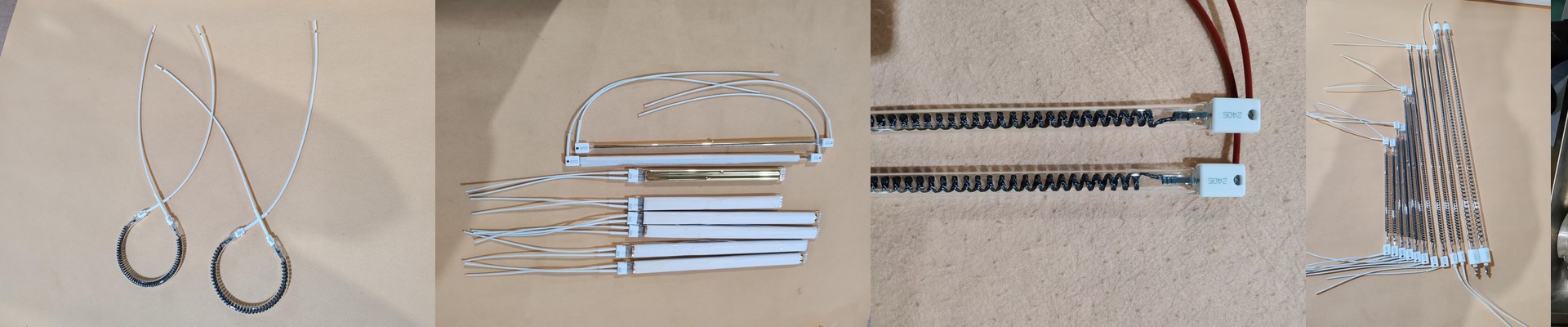
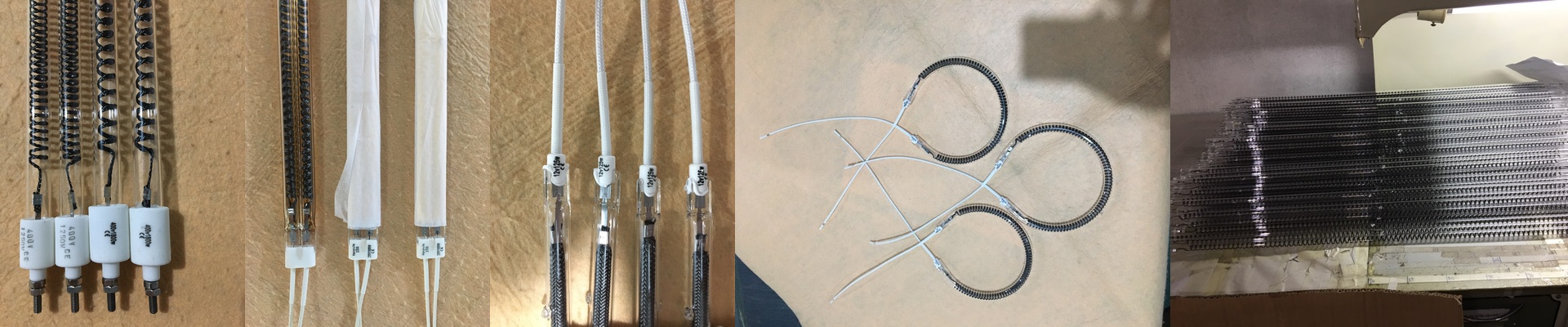
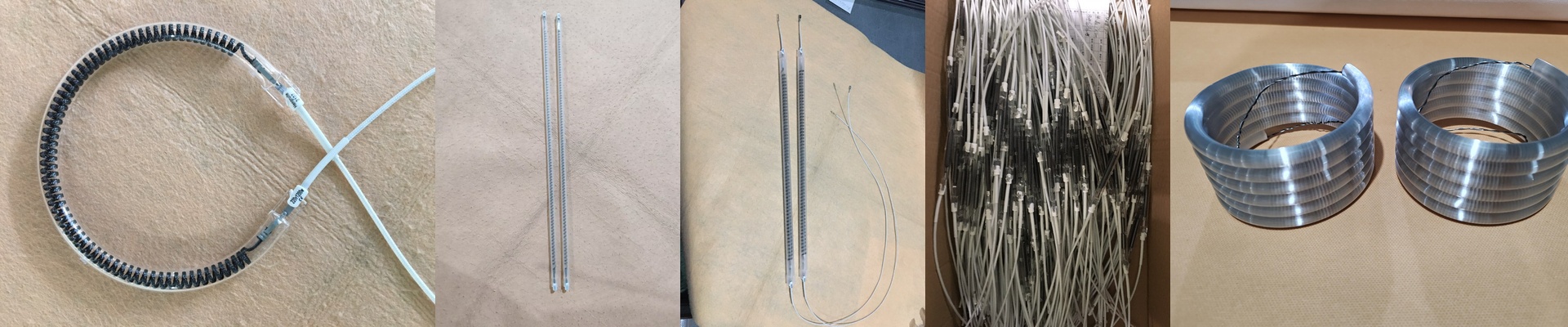
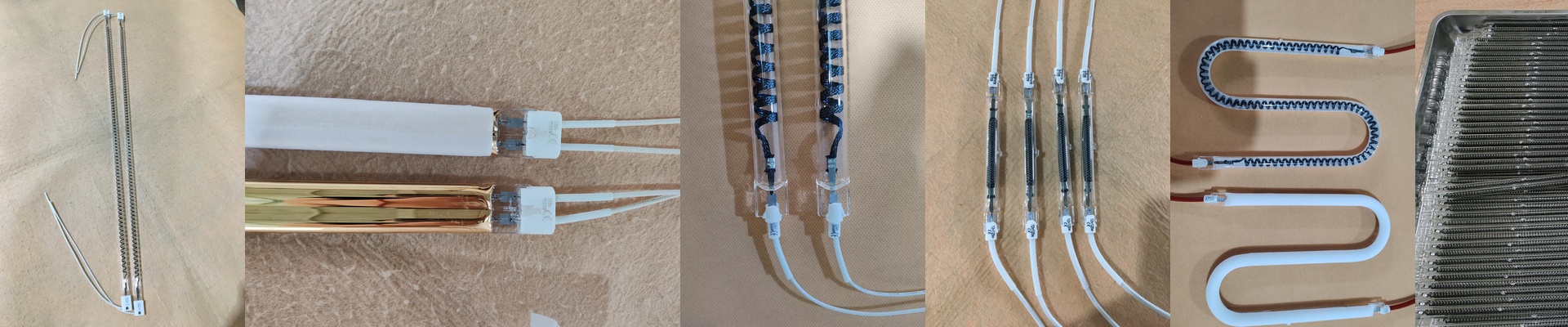
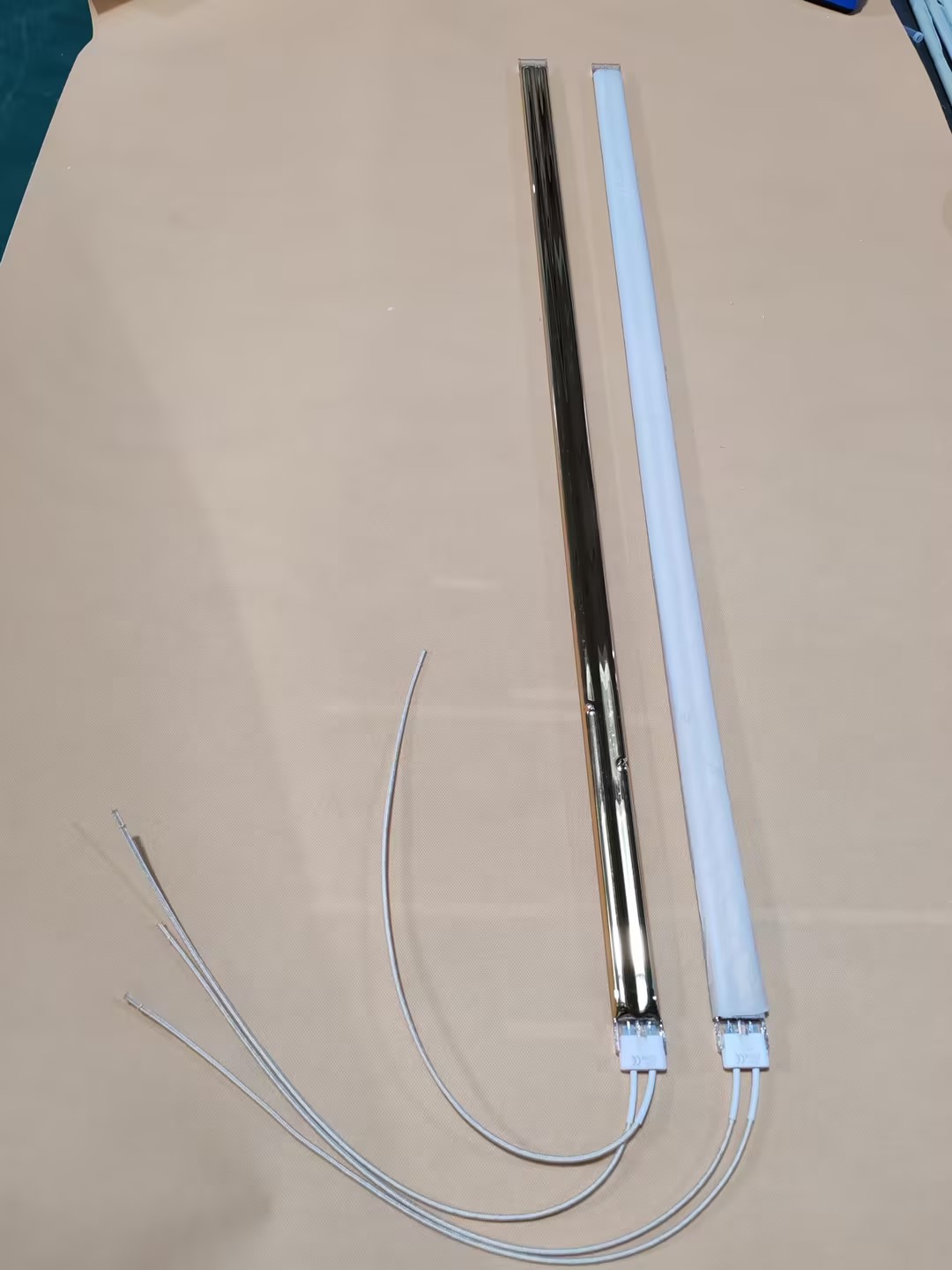
If you’re looking at carbon infrared lamps, you’ve probably noticed they aren’t like your old-school quartz heaters. The secret is in the carbon-fiber filament. It’s a clever bit of engineering that lets us cram way more wattage into a shorter tube without the whole thing snapping the moment it gets hot. When you’re shopping around, don’t just look at the price of the glass. You’re really paying for how much power you can pack into a small space and the specific kind of heat that hits your product. Let’s talk power and voltage. Usually, we pick these based on how much heat flux you actually need. If you go with a high-wattage tube—think 2000W or more—and run it at 230V or 400V, you get that instant, searing surface heat. Going with higher voltage is a nice trick because it drops the current draw. That means you can get away with thinner wiring in your control cabinet, which saves a headache during install. But here’s the catch: when you’re pushing that much heat into a tiny footprint, your housing needs to breathe. If you skimp on ventilation, you’re just going to fry your other components. The nitty-gritty on filaments and plugs. These carbon filaments put out medium-wave emission. In plain English? It’s way better at soaking into plastics or coatings than short-wave lamps. For the connectors, it mostly comes down to how you’re using them. If you want something you can just pop out and replace in seconds, go with R7s. If this is a “set it and forget it” permanent install, Sk15 is your best bet. Most of these are quartz glass, but if your material keeps reflecting the heat away like a mirror, we can add some coatings to shift the spectrum and make it stick. Real-world use and the trade-offs. You’ll see these all over the place in PET blowing or when someone’s curing automotive paint. They ramp up so fast that it seriously cuts down your cycle times. But they aren’t indestructible. Carbon lamps are a bit more fragile than metal elements. If your machine shakes or vibrates a lot, please, for the love of your budget, use dampened mounts. Otherwise, that glass is going to crack. One last thing: be wary of the “budget” tubes. They often have messy filament winding, which creates hot spots. There’s nothing worse than pulling a part off the line only to find it’s ruined because the heat wasn’t even. It’s worth paying a bit more for the precision.
- Infrared
- Carbon
- Heating
- Manufacturer
- Industrial
- Heat
- Lamp
- Prices
- 230v-2000w-Half-White-Coating-Infrared-Quartz-Heat-Lamp-With-Ce-Certification-for-Pet-Blowing-Machines
- 2500w 400v Halogen Infrared Curing Therapy Lamp Infrared Heat Lamp for Pet Bottle Blowing Machine
- Hot Selling Ir Heater Lamp Quartz Infrared Heating Element Heat Lamp for Blowing Machine
- 220v-2000w-Half-White-Coating-Infrared-Quartz-Heat-Lamp-With-Ce-for-Pet-Blowing-Machines
- 1600w-220v-Sk15-Infrared-Lamp-Heater-Halogen-Infrared-Heating-Lamp-for-Pet-Blowing-Machine
- Sk15 Tungsten Quartz Infrared Heating Lamp for Pet Blowing Machine
- Pet Blowing Machine Heating 1500w Ir Heater Clear Tube Infrared Halogen Heat Lamp
- Sk15 Shortwave Infrared Emitter Ir Lamp Heater Infrared Heat Lamp for Blowing Machine
- 350mm-220v-2500w-Halogen-Infrared-Heat-Lamp-for-Pet-Blowing-Machines
- 350mm-220v-1500w-Halogen-Infrared-Heat-Lamp-for-Pet-Blowing-Machines-Plastic-Moulding