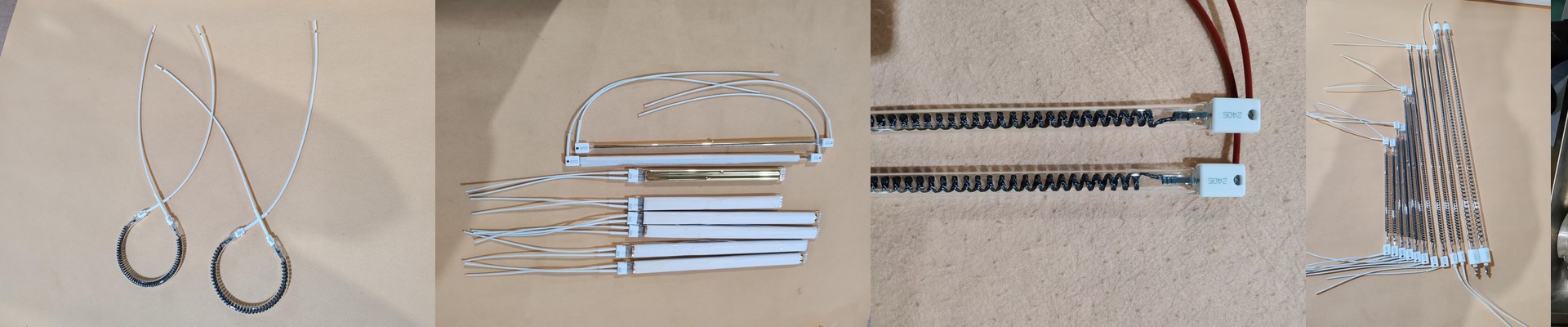
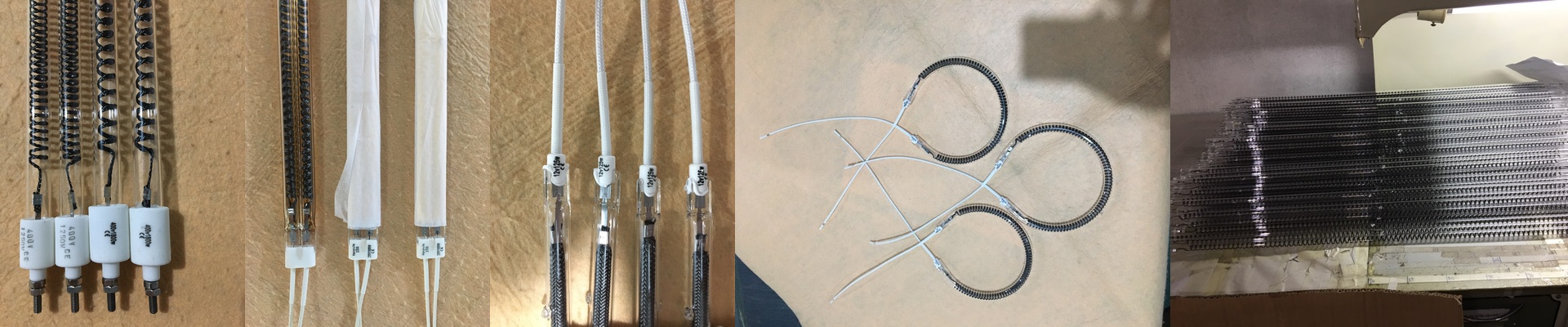
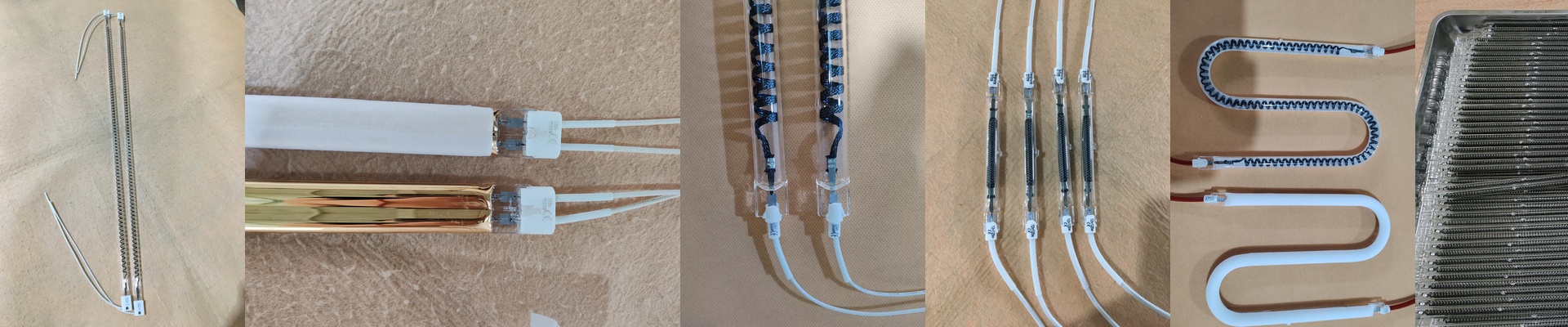
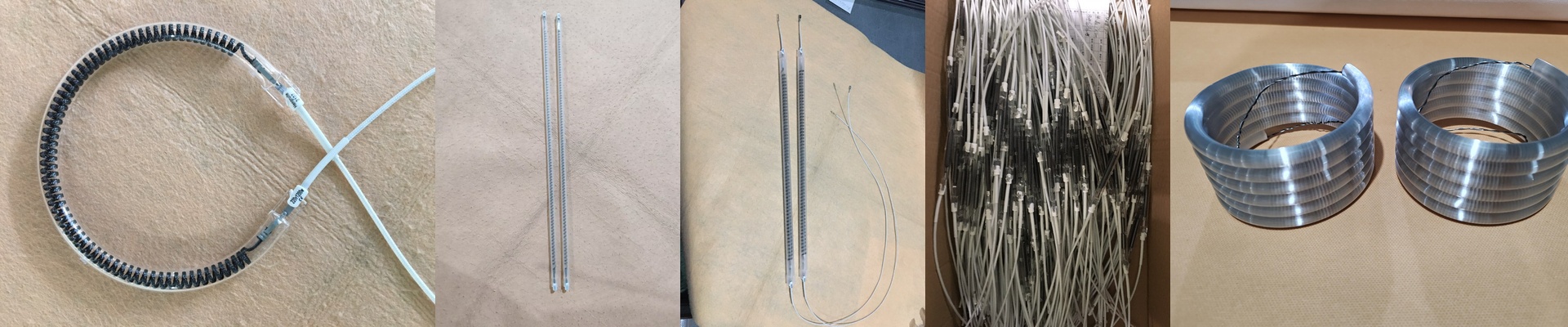
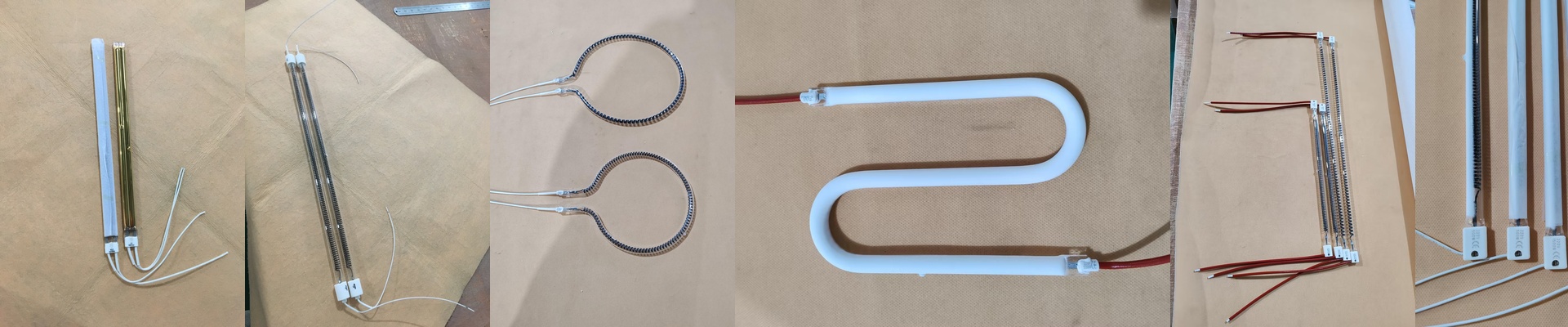
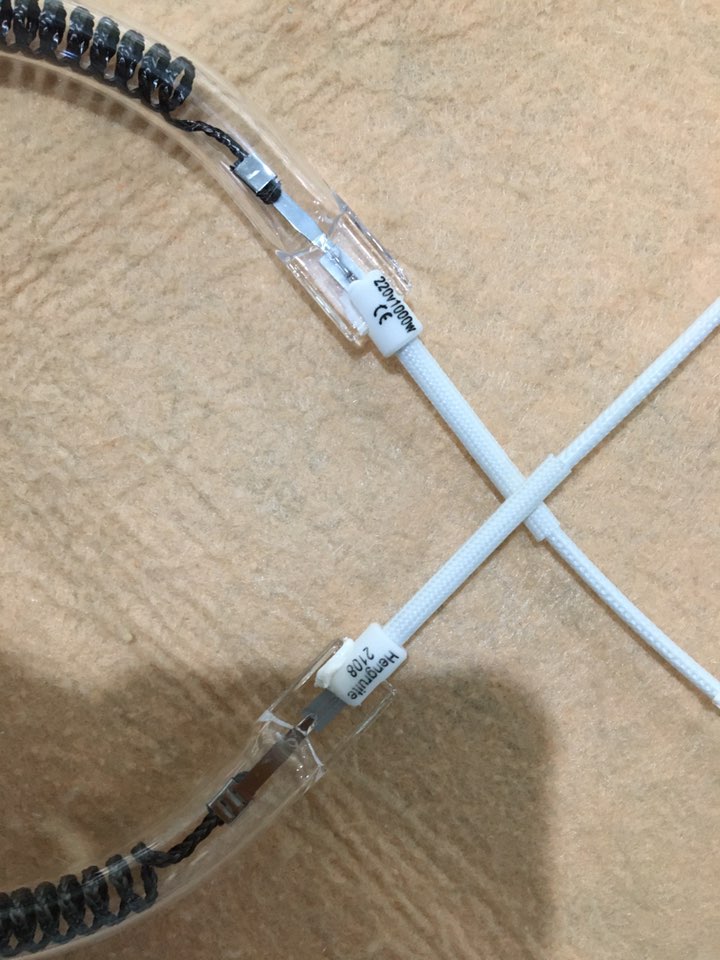
Let’s talk about the 660mm 1000W Carbon Infrared Lamp
We built this lamp for the people who need heat—and they need it now. If you’ve got a specific 660mm spot to fill and can’t afford to wait around for a heater to warm up, this is for you. Unlike those old-school quartz heaters, we used a carbon filament here. It’s a smarter way to get high power without having to push the operating temperatures into the danger zone. The power side of things Running at 1000W and 220V, this thing puts out a serious amount of heat across its entire length. It’s steady. It’s even. We stuck with 220V so it plays nice with most industrial controllers you already have on your floor. But a quick heads-up: if you don’t tune your PID settings right, you might see a massive heat spike when you first flip the switch. Just keep an eye on that initial ramp-up. Why carbon? Here’s the secret: the carbon emitter gets hot way faster than metal ever could. We tucked that filament inside a high-purity quartz tube to keep the oxygen out and let the infrared rays punch through to your material. Because it leans toward the medium-to-long wave spectrum, it’s a natural fit for organic materials and coatings. It just “grabs” onto them better. Getting it installed The 660mm length is set in stone, so make sure your housing is ready for it. When you’re sliding it in, double-check your reflectors. If they’re off by even a bit, you’ll end up with annoying hotspots. And please, do yourself a favor:**use high-temp wiring.**The ends of the tube get scorching, and the last thing you want is melted insulation causing a short. A few things to watch out for Now, full disclosure—carbon lamps are fast, but they aren’t tanks. They’re a bit more fragile than those chunky ceramic heaters. If your machine shakes or vibrates a lot, that filament is going to feel it. I’d suggest isolating your mounts from the main drive motor so the tube doesn’t rattle itself to death. Also, give it some room to breathe. 1000W creates a lot of hot air quickly. If your airflow is blocked, you’ll likely trip your thermal sensors before you even get to work.