Making the Most of Carbon Fiber IR Elements
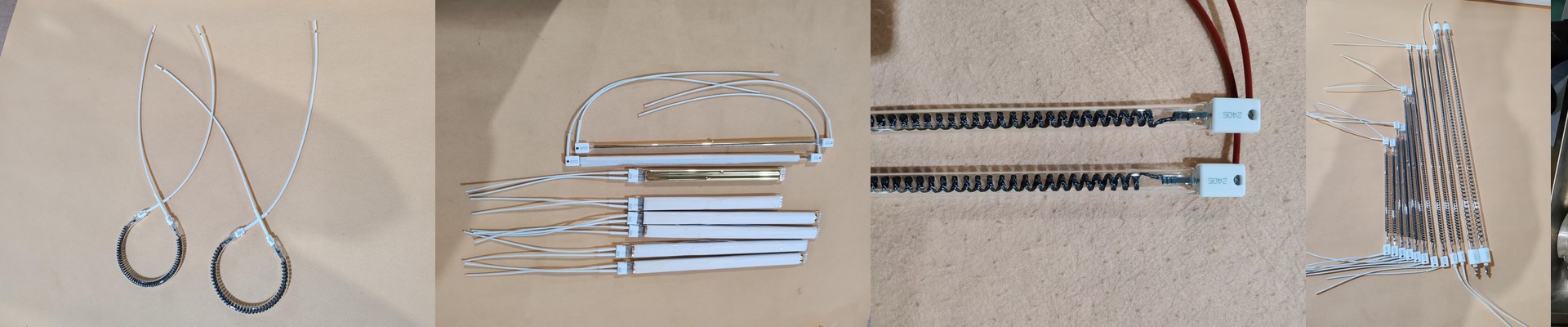
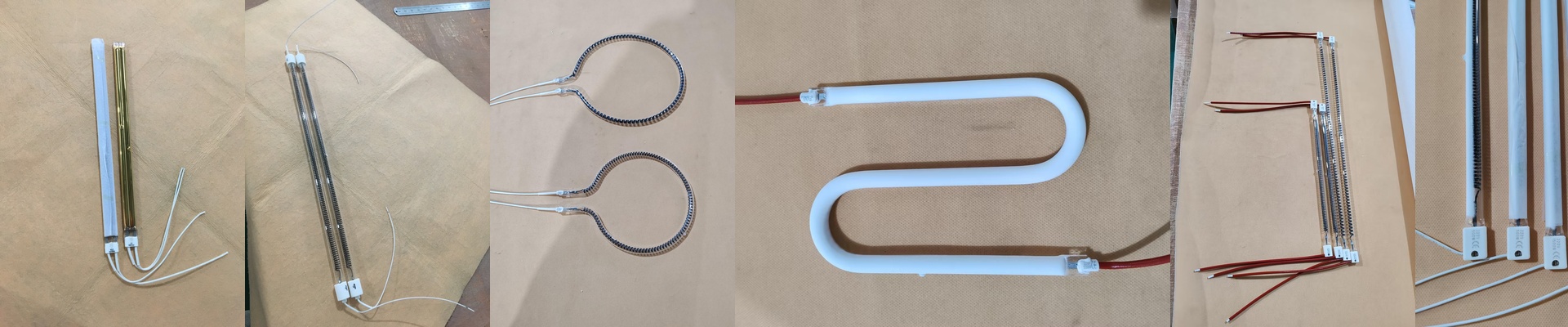
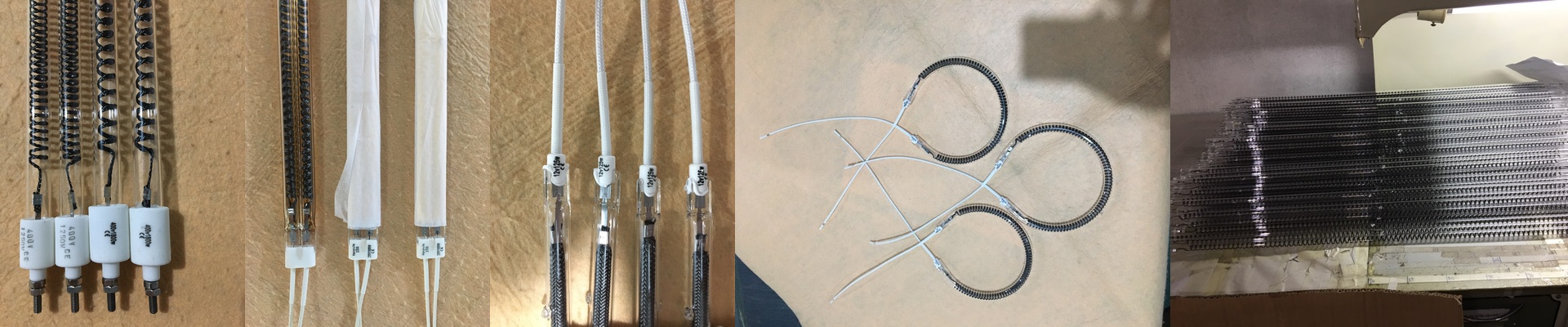
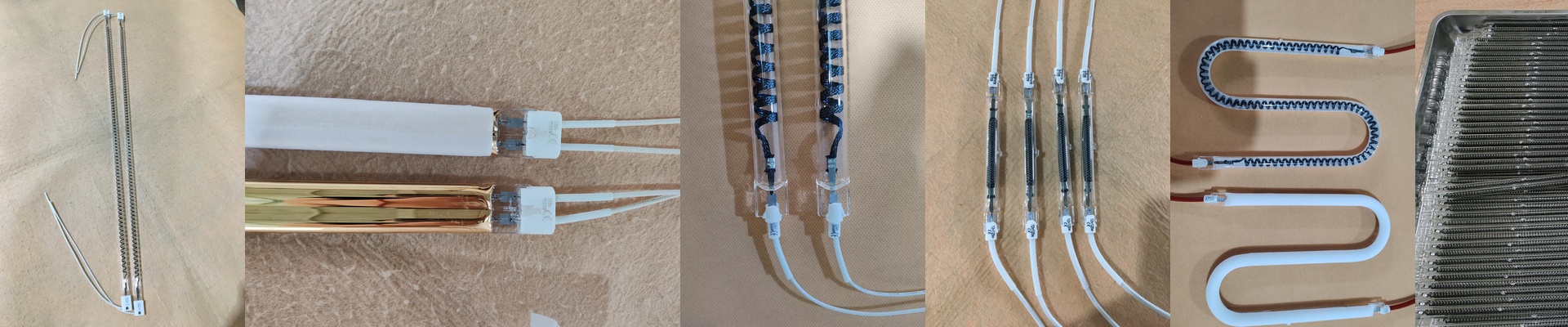
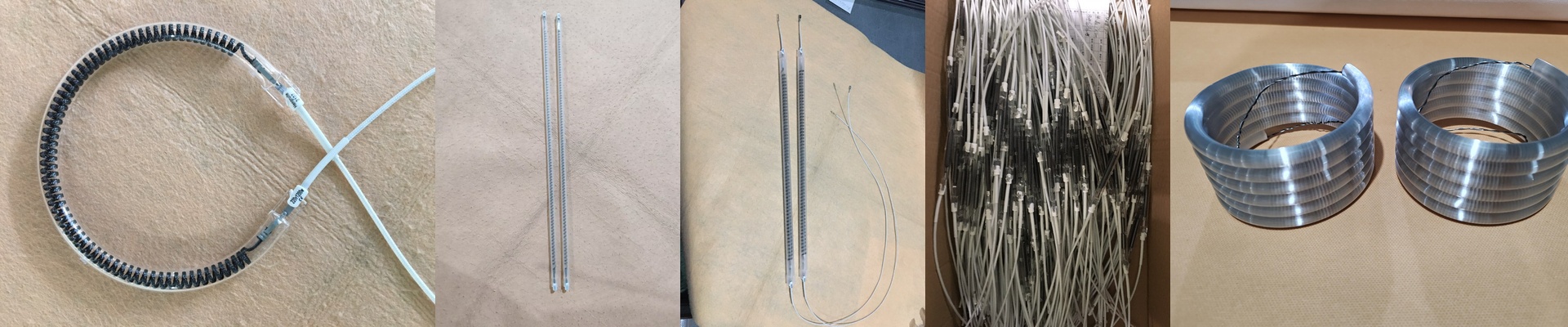
If you’re tired of waiting forever for your oven to hit temperature, you need to look at carbon fiber IR heaters. Most people are used to the old quartz or metal sheath elements, but these are different. Instead of a metal coil, we use a carbon-filament core. The big win here? Speed. They ramp up almost instantly. Plus, because the emitting surface is wider, you don’t get those annoying hot spots. The heat just spreads more evenly across whatever you’re working on.
The Nitty-Gritty of the Heat
Inside each heater is a high-strength carbon fiber weave. When you flip the switch, the material resists the current and pumps out short-to-medium wave infrared radiation. Here’s the cool part: this kind of heat doesn’t just sit on the surface. It actually sinks deep into the material. Now, you can push these elements for high power density, but be careful. If you jam too much wattage into a tiny space, you’re asking for a burnout—especially if your PID controllers aren’t tuned to react quickly. To keep things running smooth, I always suggest using solid-state relays (SSRs). Mechanical contactors just can’t keep up with the rapid cycling and they’ll wear out way too fast.
Setting Them Up
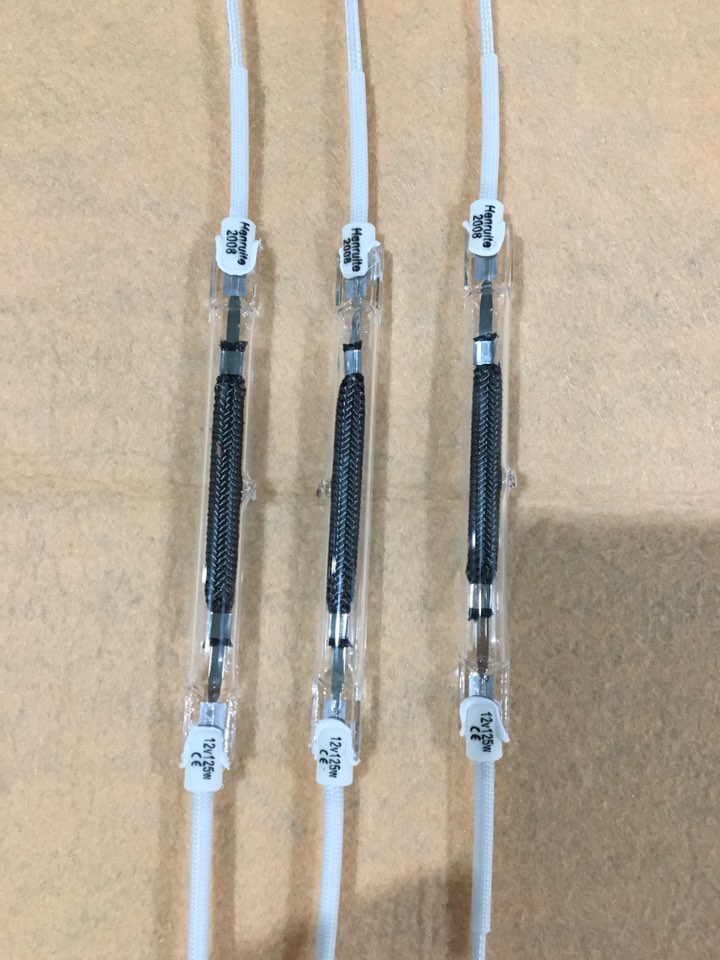
We’ve designed these to be drop-in replacements for standard IR tubes, so you won’t have to rebuild your whole rig. We wrap the carbon filament in a high-purity quartz or ceramic sleeve to keep oxygen from eating away at the fiber. Wiring is pretty simple. Just one warning: check your terminals. Make sure they’re rated for the current draw. I’ve seen too many heaters fail early just because of a sloppy crimp that caused the connection to overheat.
Real-World Talk
These things are absolute beasts for PET blowing, curing, or drying lines. They hit your target temp in seconds. It’s satisfying to watch. But there is a catch. Carbon fiber is fragile when it comes to physical shocks. If your shop has heavy vibrations or things tend to bump into the machinery, you’ve got to shield the lamps. One bad knock can snap the filament, and just like that, your entire zone is dead. A little bit of guarding goes a long way.
- Infrared
- Heaters
- Oven
- Carbon
- Fiber
- 300 1000mm 1000w 1500w 2000w Infrared Quartz Heating Lamp for Pet Blowing Machine
- 350mm 220v 3000w Halogen Infrared Heat Lamp for Pet Blowing Machines
- 350mm-220v-1500w-Halogen-Infrared-Heat-Lamp-for-Pet-Blowing-Machines-Plastic-Moulding
- 350mm-220v-2000w-Halogen-Infrared-Heat-Lamp-for-Pet-Blowing-Machines
- 350mm-220v-2500w-Halogen-Infrared-Heat-Lamp-for-Pet-Blowing-Machines