Wholesale Infrared Carbon Heat Lamps: The Real Deal on Specs, Design, and Use
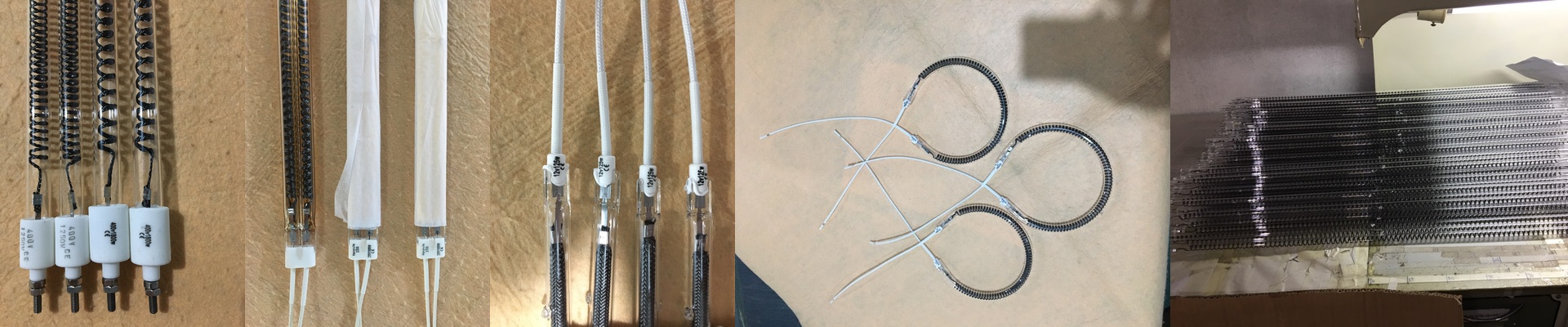
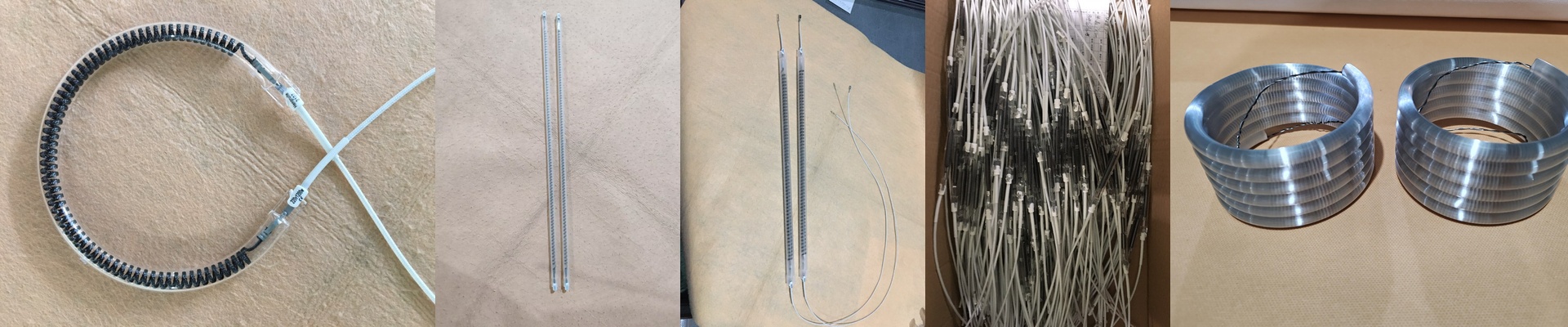
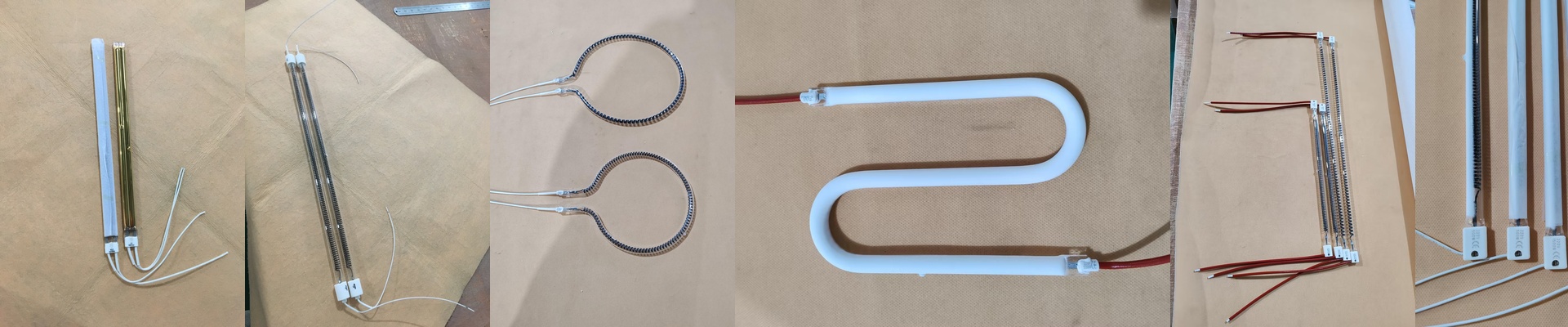
Here’s the thing about industrial heating: when you need heat, you need it fast. No dilly-dallying. That’s exactly what our wholesale infrared carbon heat lamps are built for. We make them for the moments when you absolutely cannot afford to wait. The heat they deliver is focused and intense, sinking right into materials. The result? You speed up drying, curing, and thermoforming like it’s nothing. You tell us the wattage and voltage you need, and we build a lamp that slides perfectly into your process.
Power, Voltage, and Size: What Actually Matters
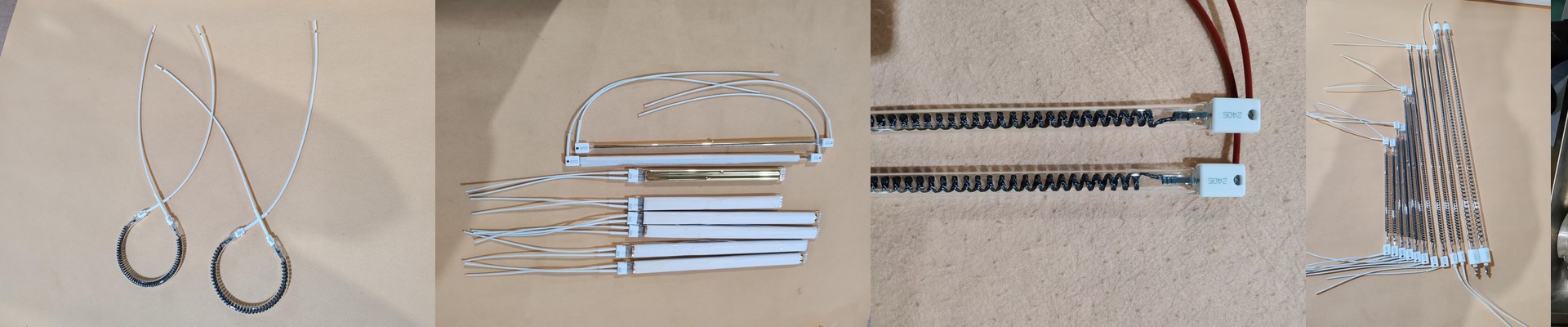
Our standard carbon lamps run anywhere from 1000W to 3000W. We’ve got 230V and 400V options to match whatever power you’ve got running through your plant. Going with higher voltage is smart. It drops the current, which means you can use smaller wiring and cut down on energy loss at the connections. A 400V, 2500W tube throws off serious heat, no question. But you have to make sure your machine’s cooling can handle the extra warmth in the air. We match the tube length to the exact spot you need to heat. That way, you get a tight, even burn right where you want it—no wasted energy spilling over.
Built to Last: The Materials Inside
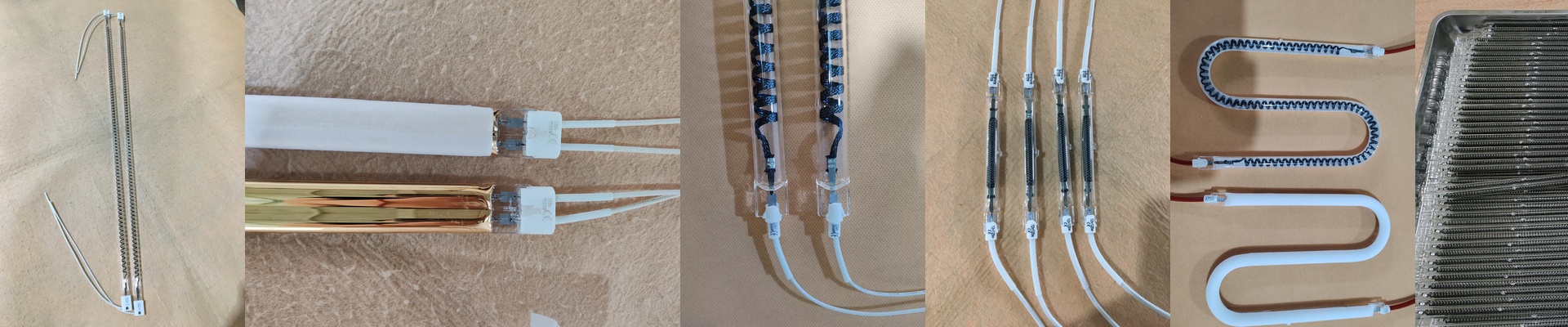
The heart of the lamp—the filament—sits inside a quartz envelope. We chose quartz because it can take the heat, and it lets the infrared energy pass through cleanly. We also add a special IR-optimized coating. It helps shape the heat spectrum so more energy gets transferred right to the material you’re working on. Installation is a breeze, too. The R7s double-ended connector gives you a solid, straight fit. It holds steady in the fixture, and when it’s time to swap a lamp, it’s quick and easy.
Why These Lamps Work So Well
Infrared carbon lamps shine when you need heat instantly, with almost no warm-up time. They fit right into existing line heaters, so you can swap them out without a major overhaul. The concentrated heat makes controlling different zones a lot simpler. You get a huge amount of heat packed into a small space. But here’s the catch: that kind of power needs to be managed. You’ve got to get the reflector design and thermal management right. Do that, and you’ll protect the components from getting hammered. Get it right, and the lamp just works. Reliably. Every single time.