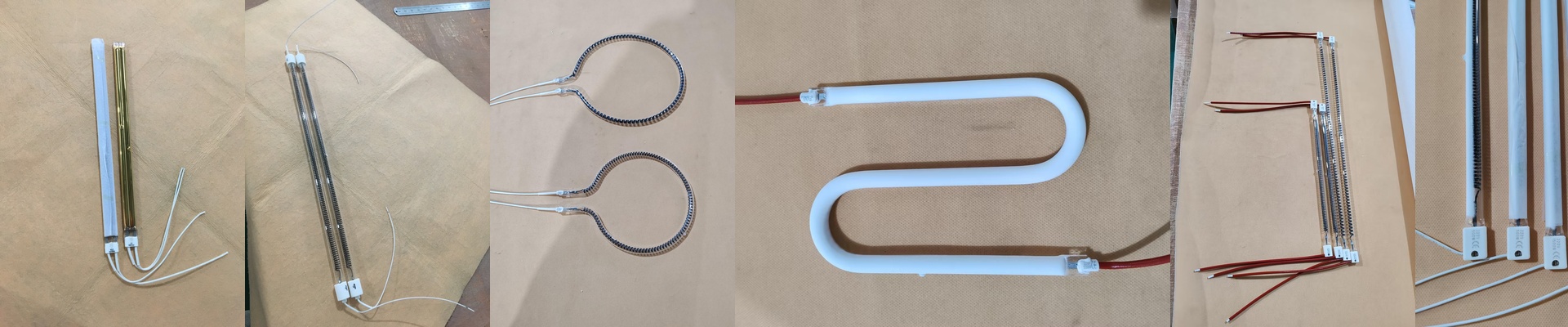

Let’s Talk About Carbon Heat Lamps
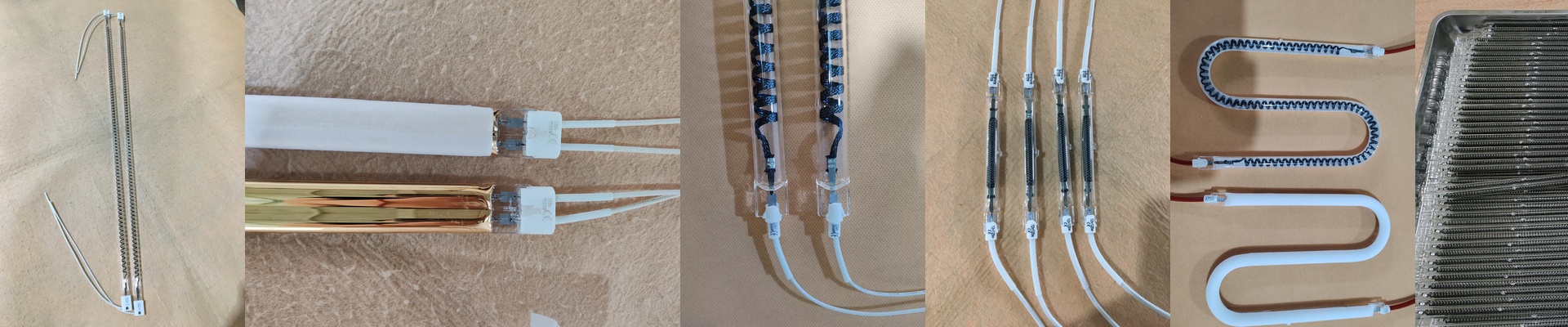
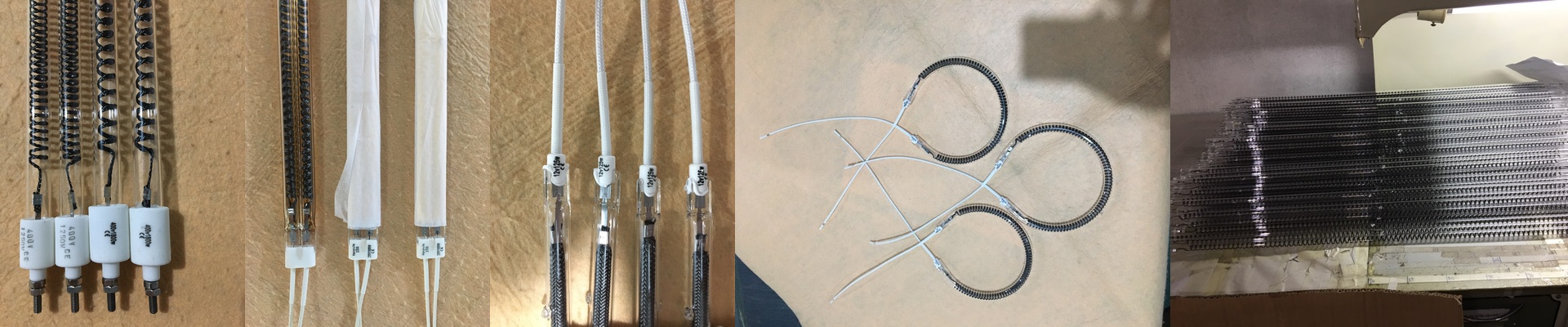
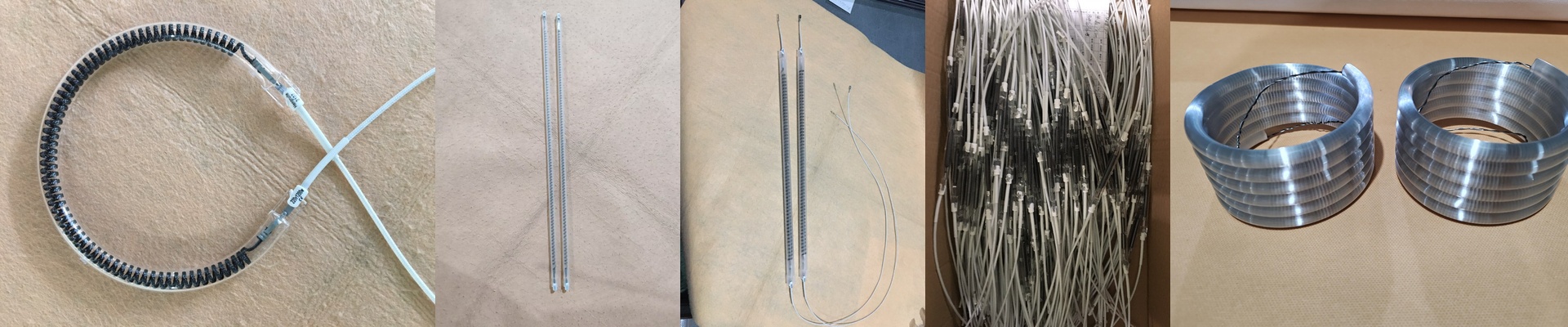
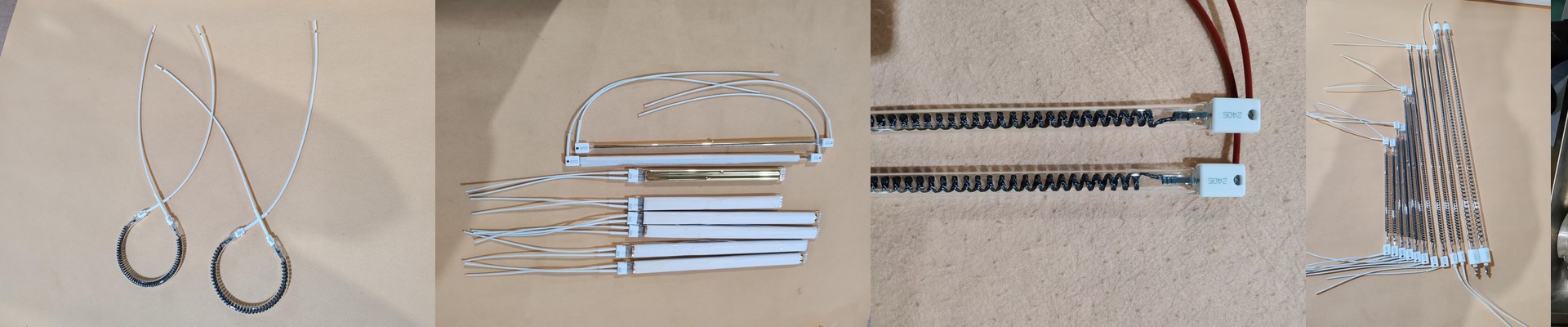
If you’re used to standard halogen tubes, carbon heat lamps are a different beast. Instead of the usual setup, we use a carbon fiber filament tucked inside a quartz envelope. Why? Because sometimes you just need heat—and you need it now. These are built for those high-intensity jobs where waiting for a slow warm-up isn’t an option. The Power Side of Things Here’s the thing about wattage and voltage: they basically dictate how much “punch” your heat has. When you go with a high-wattage tube, you’re pumping more infrared energy into every square inch of your target. It’s great because you can make your heating zone smaller. But there’s a catch. You’ve got to get your cooling fans right. If you skimp on the ventilation, you’re going to cook the ends of the lamp, and that’s a quick way to kill your equipment. What’s Under the Hood? We stick with carbon fiber because it can take a beating from high temperatures that would make tungsten give up. Then there’s the quartz glass. It lets the short-wave and medium-wave radiation slide right through without soaking it up. This means the heat goes straight into your workpiece. It doesn’t waste time heating up the air around it. One small but vital detail: the connectors. Whether you’re using R7s or Sk15, make sure they’re snug. A loose connection creates a hot spot, and before you know it, you’ve melted your socket. Not a fun afternoon. Real-World Use (and the Trade-offs) You’ll see these all over the place—blowing PET bottles, curing paint, or industrial drying. They hit their operating temp almost instantly. It saves a ton of energy because you aren’t wasting power just waiting for the machine to wake up. But, keep in mind that carbon lamps are a bit fragile. They aren’t meant to be knocked around. If your machine frame vibrates too much or takes a hit, that filament can snap. **A quick tip:**Make sure your mounting brackets are rock solid. And if you’re dropping these into an old machine, double-check your current draw. You don’t want to find out the hard way that your old wiring can’t handle the load.