Infrared Carbon Heat Lamps: The Real Deal on Specs, Price, and What Actually Works
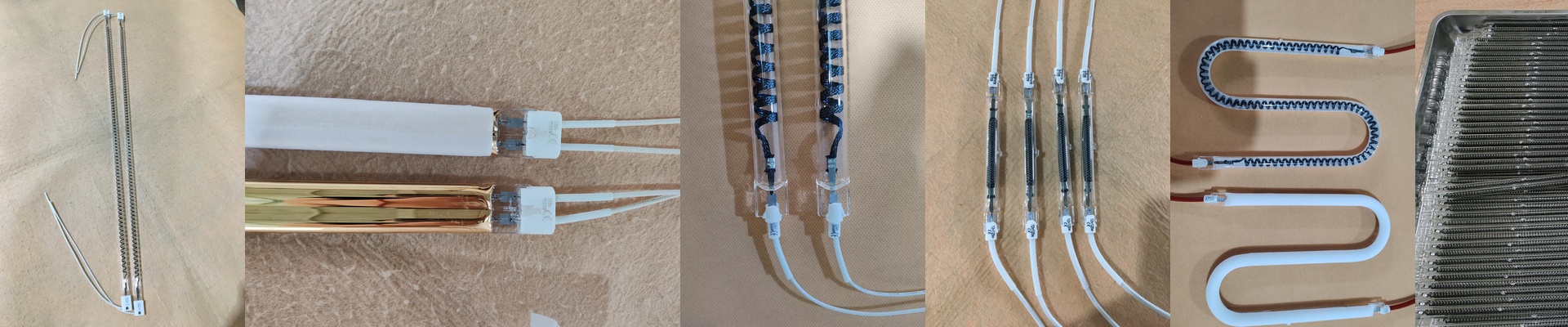
We build infrared carbon heat lamps for one reason: to get industrial heating done fast. Not to warm up the room. Not to create a cozy glow. These are tools, pure and simple. They’re built to blast focused, radiant heat right where you need it—like onto a mold surface or a shrink-wrap line.
Power, Voltage, and Size: The Starting Point
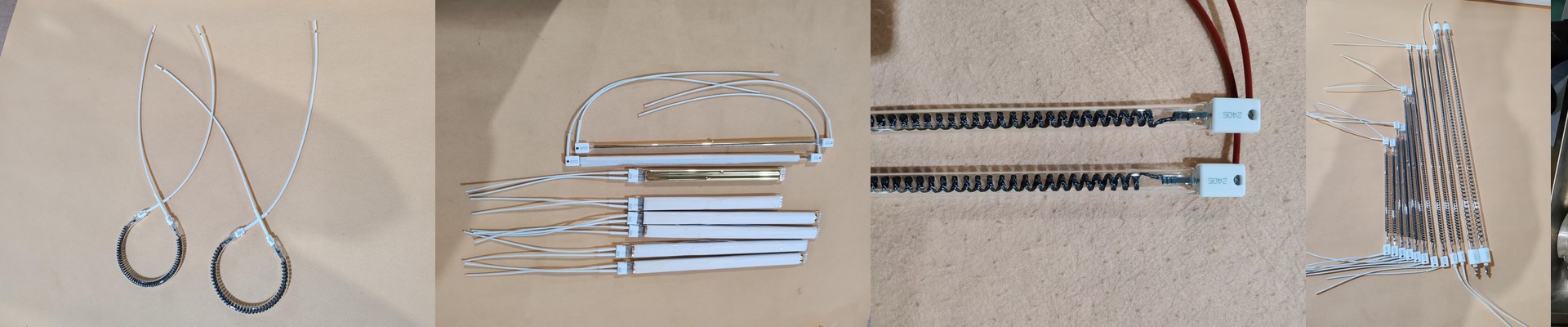
Price always starts with the basics: how much power, what voltage, and how much space you have. You’ve got your standard wattages—think 1000W, 1500W, and 2500W. And for voltage, you can usually choose between 230V and 400V. Here’s the thing about going with 400V: it lowers the current draw. That means you can use smaller wires, and your contactors won’t be under as much stress, especially on longer runs. Then there’s the tube length. It’s a hard limit. You’ll mostly see 300mm, 600mm, and 1200mm. Match the length to your heating zone. A short tube concentrates the heat into a tight spot. A longer one spreads the heat out over a bigger area.
What’s Inside: The Materials That Make It Work
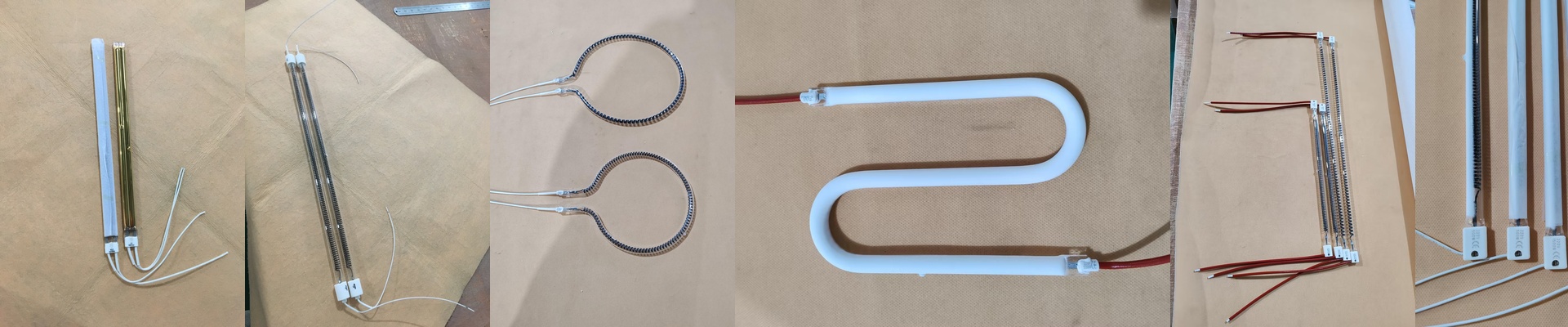
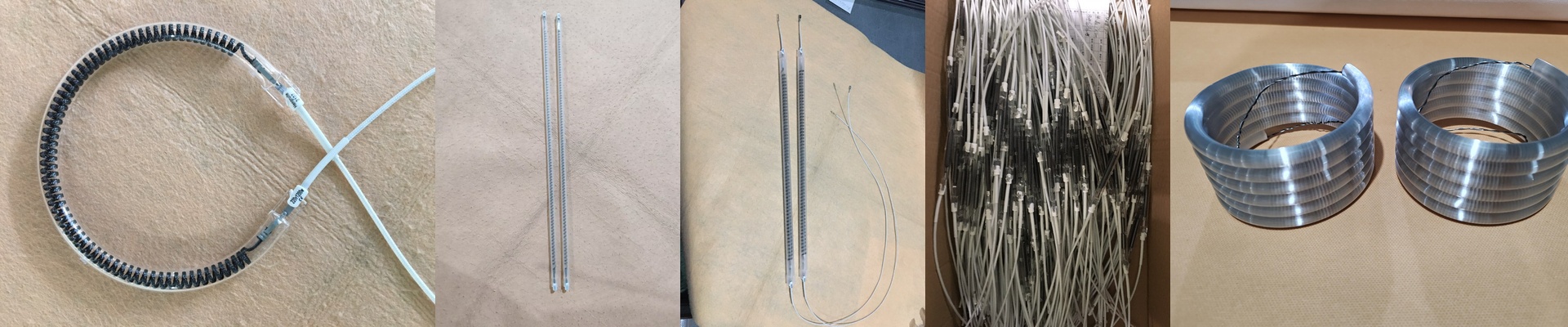
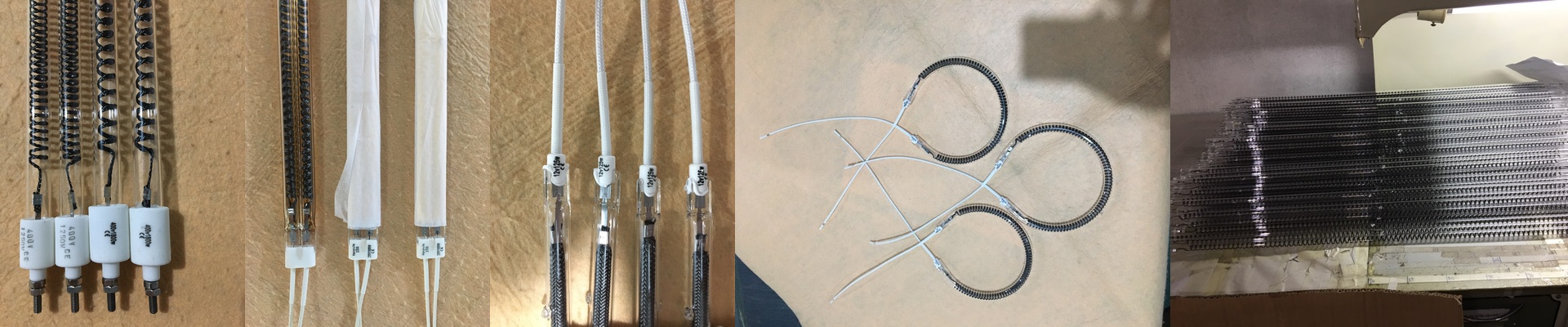
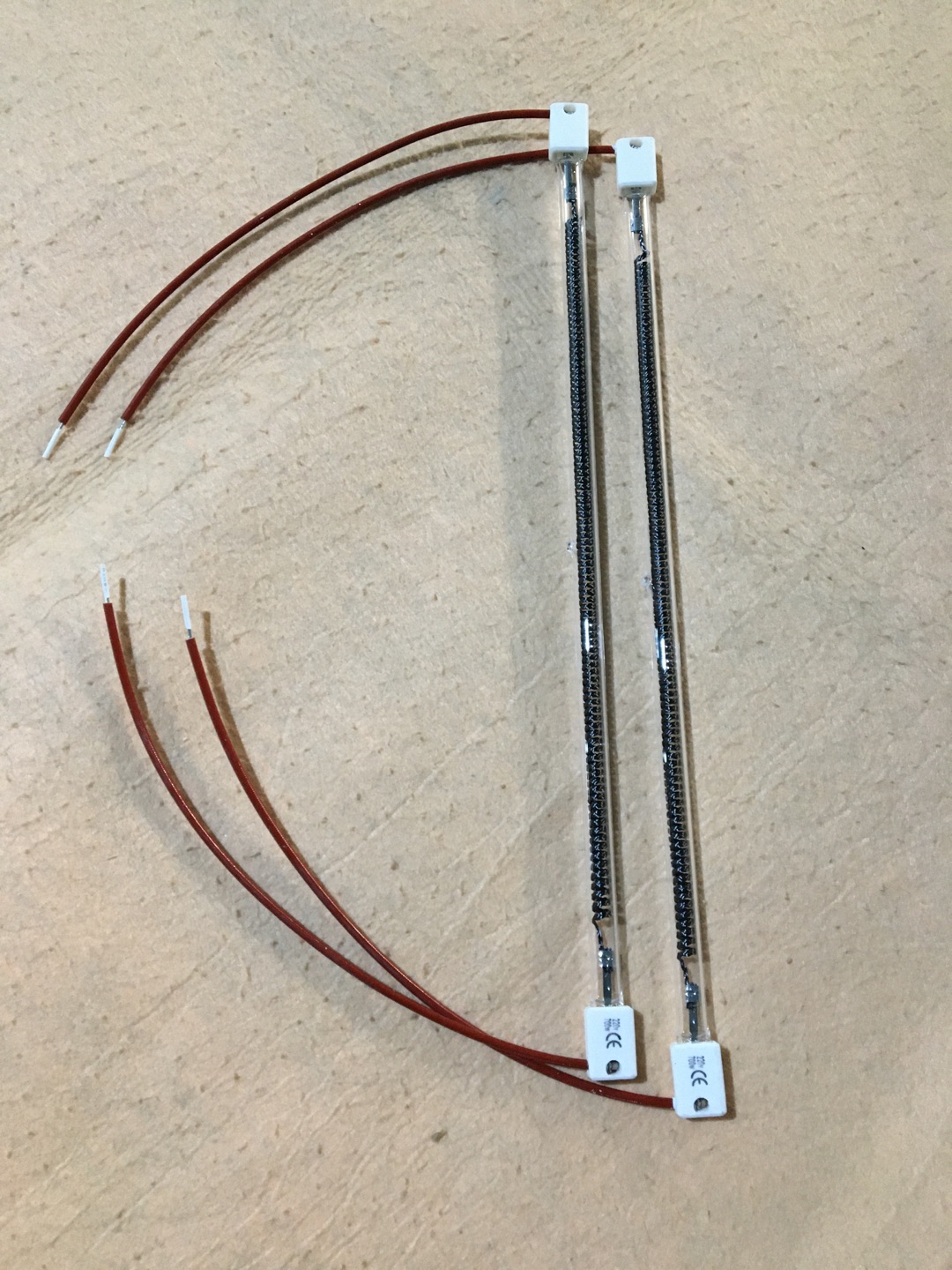
At the heart of it is a carbon filament, sealed inside a quartz envelope. Often, it’s filled with halogen. That halogen cycle is key. It keeps the inside of the envelope clean, which means the heat output stays steady and the lamp lasts way longer than a bare filament would. And that gold or dichroic coating on the glass? It’s not just for looks. It reflects the infrared heat back onto the filament, which boosts efficiency and helps control the kind of light spectrum you get. The connector is an R7s—a straight, double-ended design. It’s built to take serious heat, and it makes swapping out a lamp a simple, drop-in job in your existing fixtures.
Where They Shine (And What to Watch For)
These lamps are perfect for jobs like PET blowing, thermoforming, curing coatings, and sealing packaging. They fire up fast and give you pinpoint heat exactly where you want it. But there’s a trade-off. That intense heat density means things get hot. If you’re running a 2500W lamp, the hardware around it is going to feel it. So, you’ve got to make sure your machine’s cooling and mounting are up to the task. If they’re not, you’re just asking for parts to burn out sooner rather than later.