Introduction
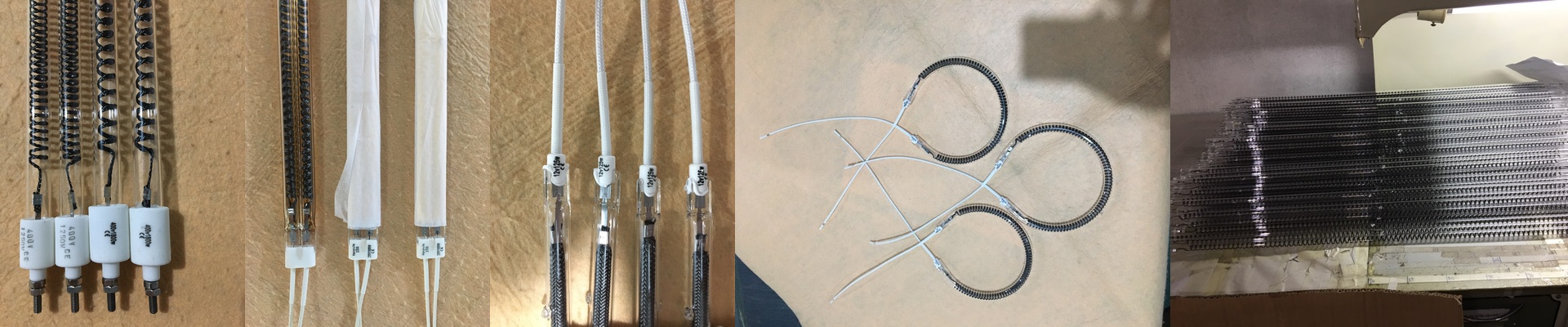
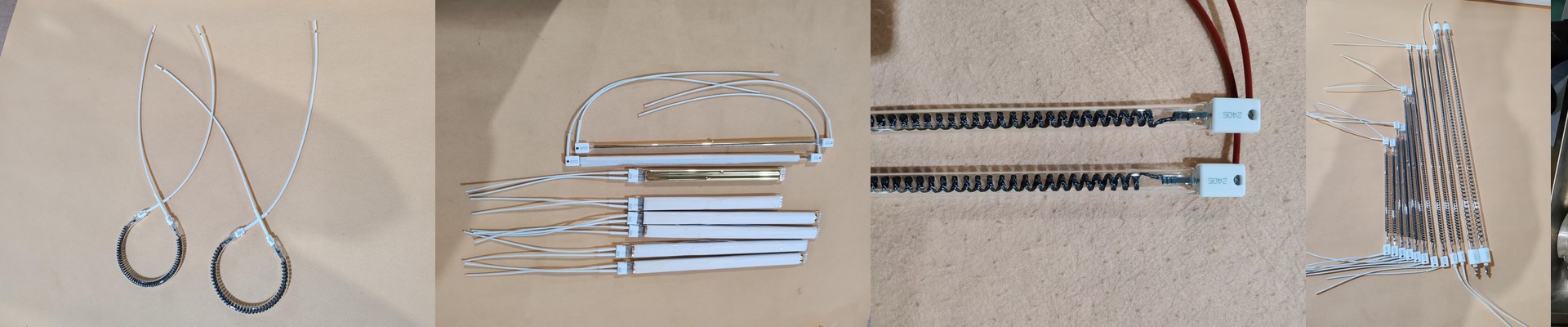
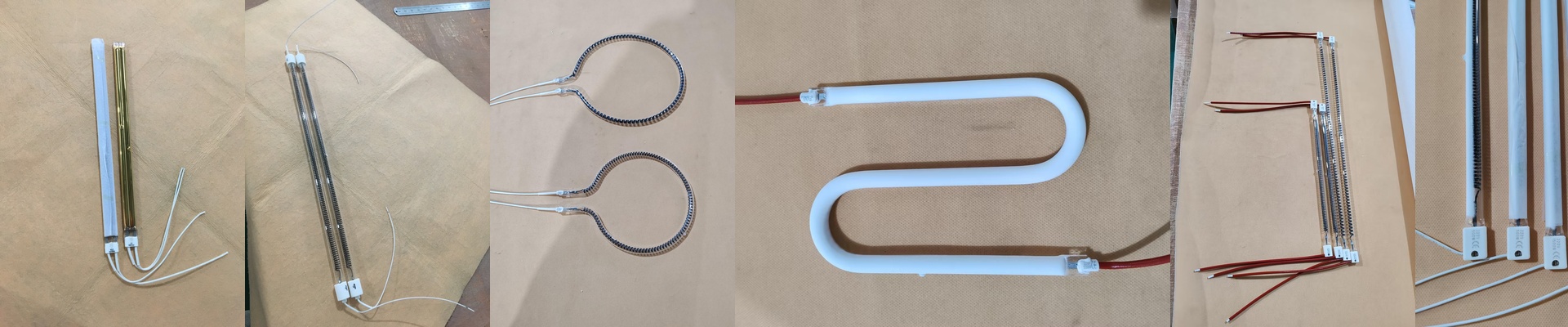
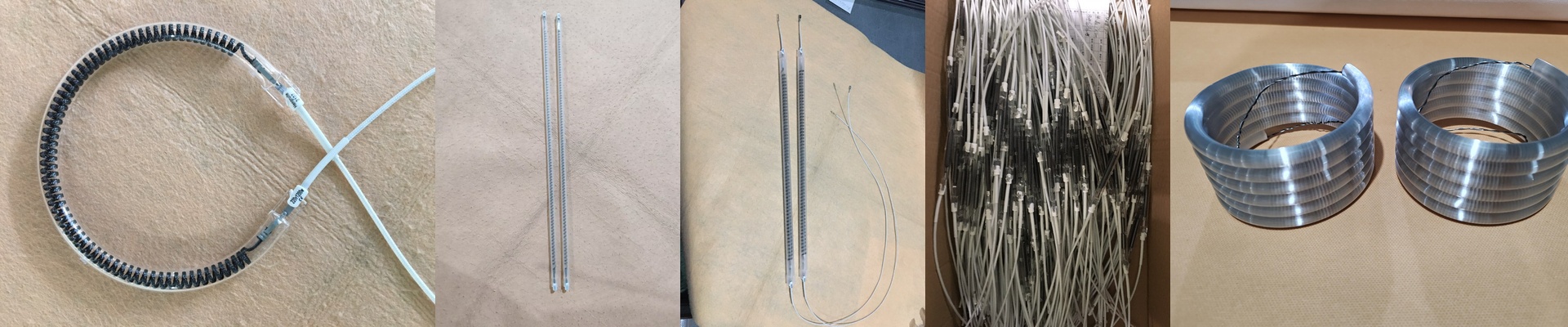
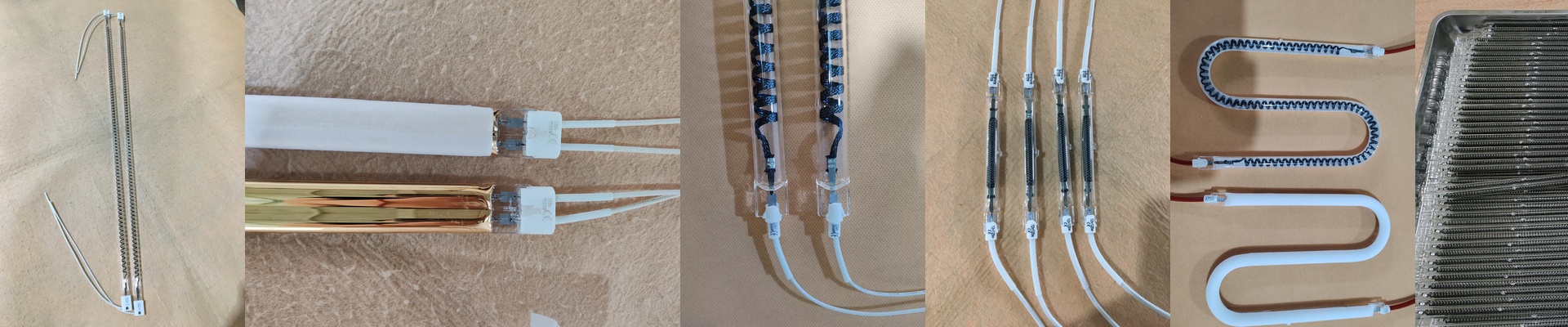
Let’s get straight to it: these quartz infrared heater lamps are built for the grind, not for your living room. They’re shortwave emitters, designed to throw down concentrated heat exactly where you need it—when your process can’t afford to wait. So if you’re hunting for replacement lamps, carbon fiber elements, or a custom heater setup, you’re dealing with a system that demands precise power and serious materials. No shortcuts here.
Power, Voltage, and Size: The Real-World Details
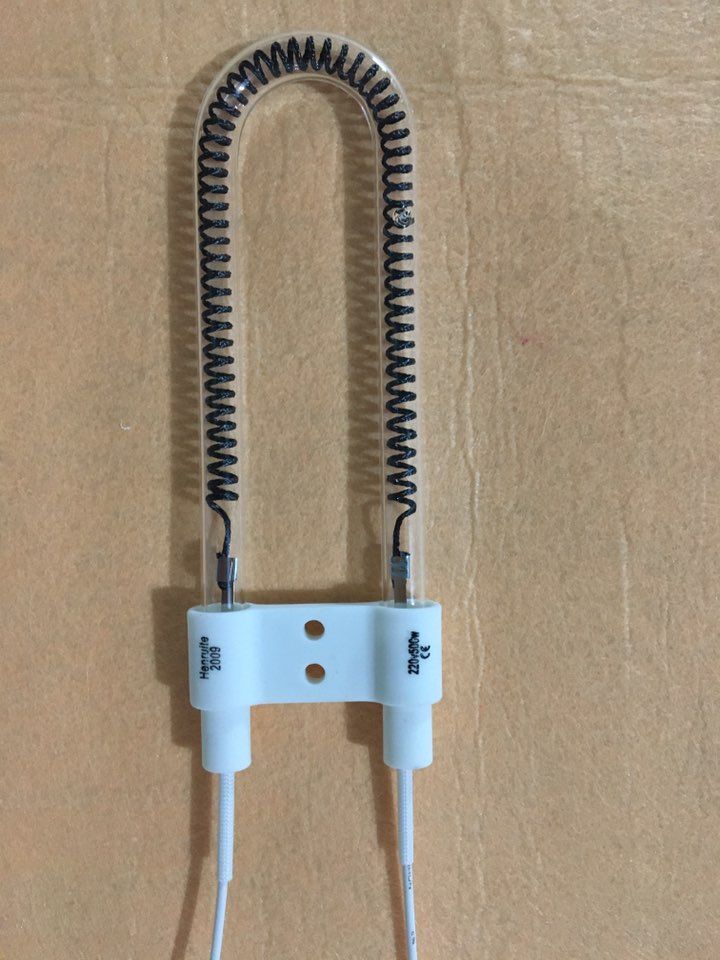
When it comes to specs, these heaters are treated like any tough industrial component. You’re looking at voltage, wattage, and the physical footprint. A typical setup? A 230V or 400V supply running a tube that hits anywhere from 1000W to 2500W. They come in lengths from about 300mm to 1200mm. And that wattage isn’t random. It’s dialed in to get the tube up to temperature fast, so the infrared output peaks in the shortwave band. Here’s the thing about running a high-wattage tube: you have to make sure the wiring, contacts, and clearances are all on the same page. A 2500W load at 400V draws some serious current. That means the end caps and sockets have to be up to the task without overheating. We size the internal resistance and terminals carefully to keep the voltage drop steady. So you don’t lose output as the element ages. It just keeps performing.
What’s Inside: The Materials That Matter
The quartz envelope isn’t an accident. It handles high heat and stays transparent to infrared, which is exactly what you need. Inside, you’ll find a filament—often tungsten or a carbon-based element—sometimes held in place with ceramic spacers. A halogen cycle inside the tube helps keep the filament stable and cuts down on blackening over time. The result? Consistent output, day after day. And the connectors? We keep it practical. R7s and Sk15 ends are the norm because they make solid contact and fit standard reflector mounts. If you’re replacing a lamp, the first check is always the connector. Same footprint. Same pin layout. Same voltage rating. We can tweak the quartz coating to shift the emission curve, but the core idea stays the same: shortwave IR gives you a lightning-fast response and a tight, focused heat zone.
Where They Shine: Replacements, Saunas, and Process Heat
These lamps are the go-to for drop-in replacements in equipment that needs to heat up fast. Think plastics drying, coating curing, and industrial drying. Sauna heater elements are a different beast, though. They need lower surface temperatures and a longer lifespan, so we often use carbon fiber or reinforced elements for those. What you get is predictability. Match the voltage and wattage, get the connector right, and the lamp just works—no need to redesign the whole machine. Just keep one thing in mind: higher watt density means faster heat, but it also puts more demand on your machine’s cooling and insulation. Plan your mounting and airflow. Otherwise, you’ll end up cooking the electronics around it.