The Power Behind the Heat: Why 400V Makes Sense
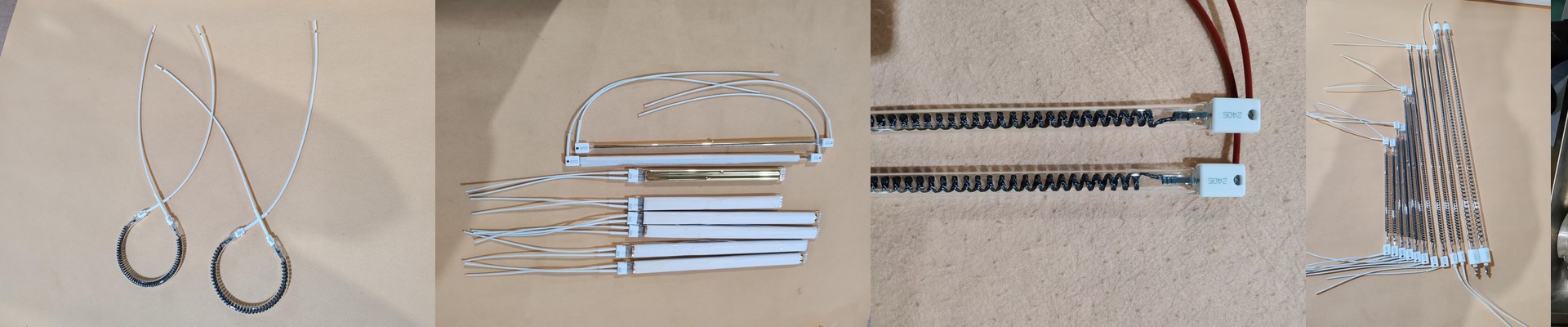
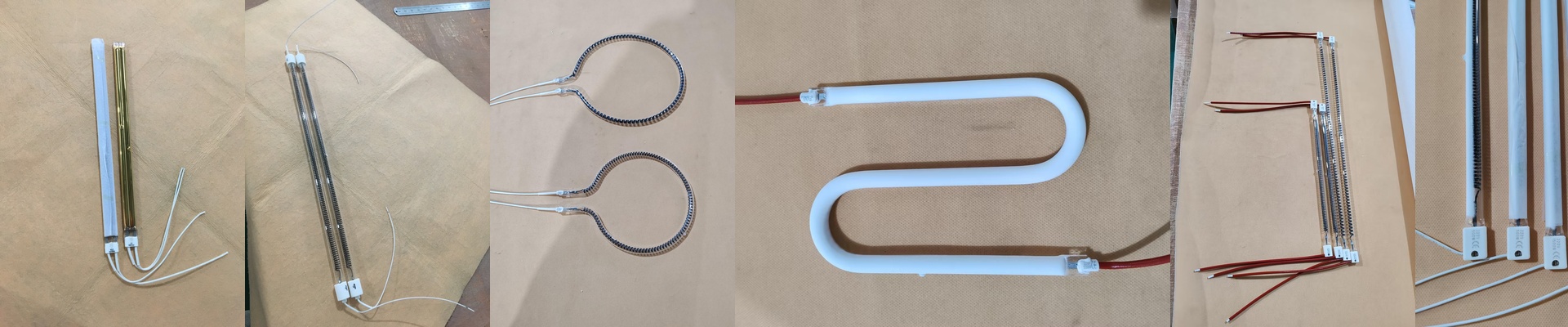
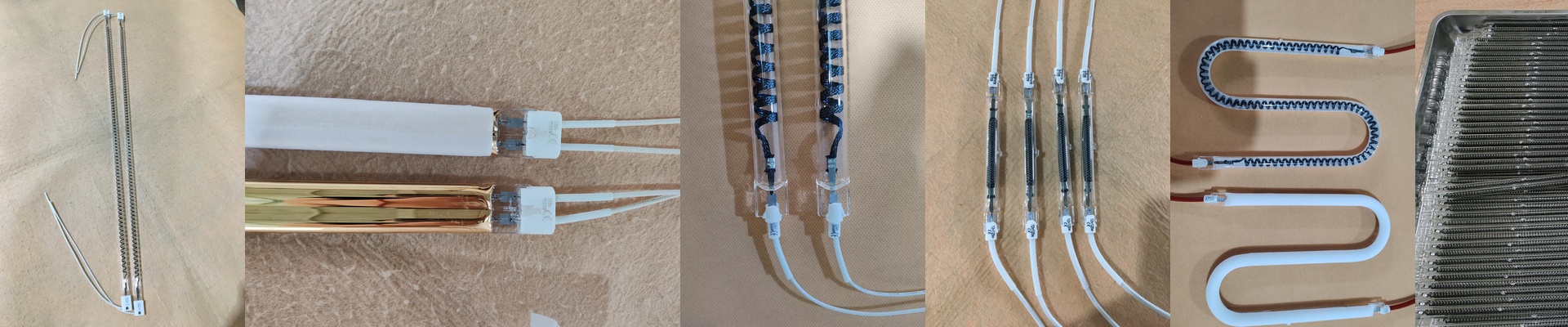
We build our carbon infrared heating lamps to pack a serious punch into a small space. The 400V high-voltage setup isn’t some random choice. It’s what lets us cram a ton of wattage into a relatively slim tube. Take our 300mm tube, for example. It cranks out 2500W, delivering a tight, intense blast of infrared heat. That’s exactly what you need when you’re working against a tight clock. But here’s the thing: that kind of power density means things get hot. Fast. So your reflector, wiring, and any cooling you have in place need to be up to the task. They have to be able to handle the heat, plain and simple.
Built to Take the Heat: The Materials Inside
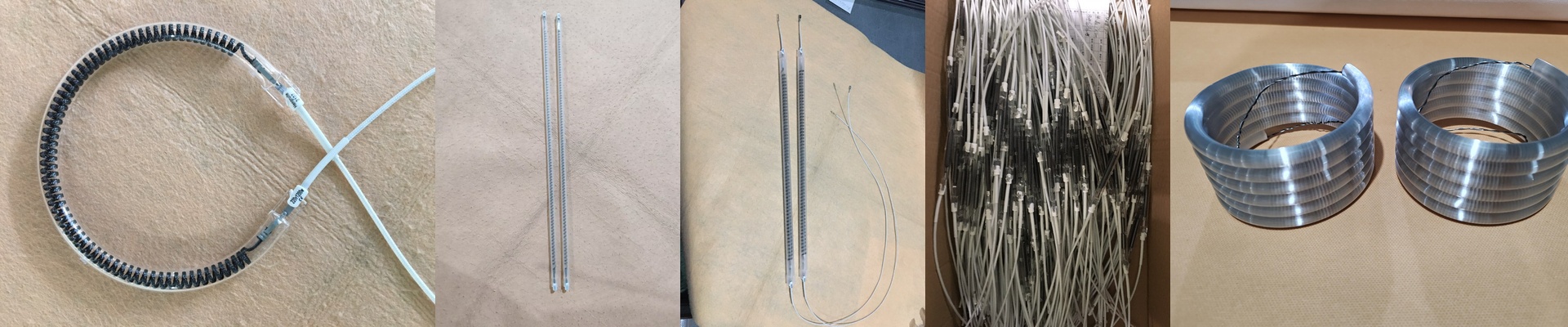
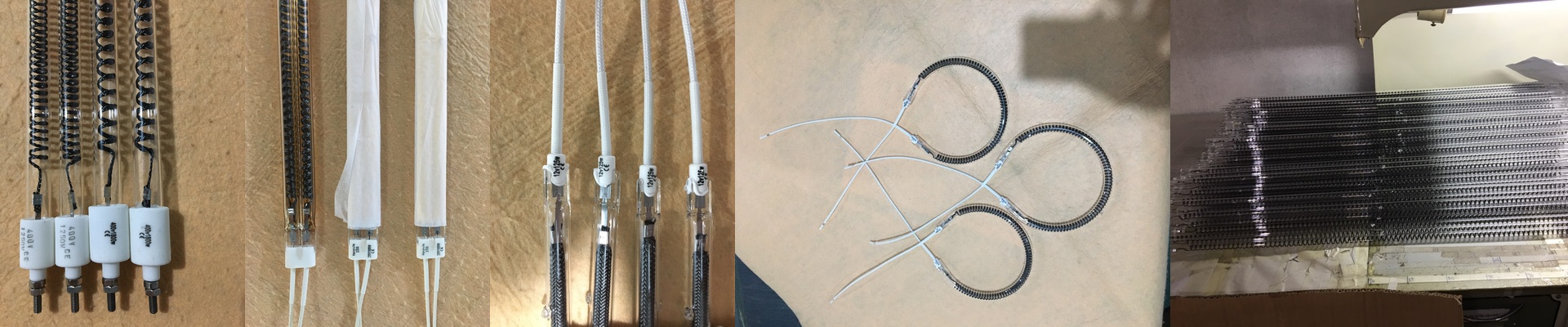
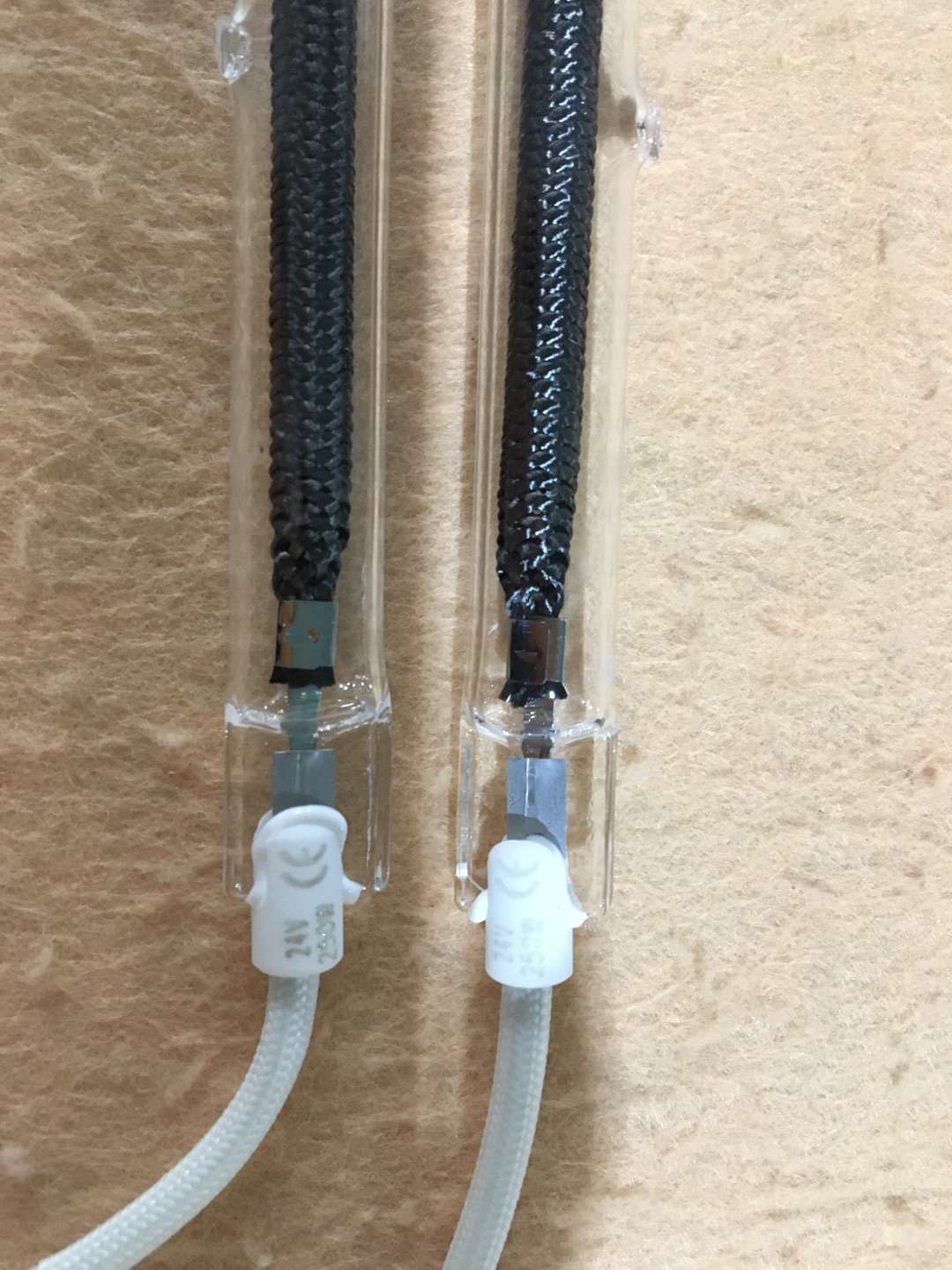
The heart of the lamp is the carbon filament, tucked inside a quartz envelope. We also add a halogen gas fill. This combo is key. The halogen cycle keeps the filament stable, even at scorching temperatures. That means less blackening over time and a light output you can count on, day after day. And the quartz? It’s tough. It handles thermal shock like a champ, so you can turn the lamp on and off without worrying about cracks. It also lets the infrared energy pass through cleanly and efficiently.
Easy Swaps and Steady Performance
For installation, we use R7s and Sk15 bases. These double-ended connectors hold the lamp securely and give you a rock-solid electrical connection. It’s a straight-up, drop-in replacement for most industrial fixtures. Plus, the quartz coating is carefully engineered to manage the light’s spectrum and protect the element. This gives you consistent, repeatable performance from one lamp to the next.
When to Use It, and What to Watch For
These carbon infrared lamps shine when you need fast, non-contact heating. Think PET blowing, plastic thermoforming, or drying and curing lines. The shortwave response means the temperature shoots up quickly, which helps you keep your process moving. But the trade-off is real. High heat density means you have to manage the heat carefully. The lamp itself runs hot, and everything around it—reflectors, insulation, wiring—has to be rated for that kind of environment. Get the voltage right and pair it with the proper fixture, and you’ll get predictable performance and a lamp that holds up, even under the grind of continuous industrial use.