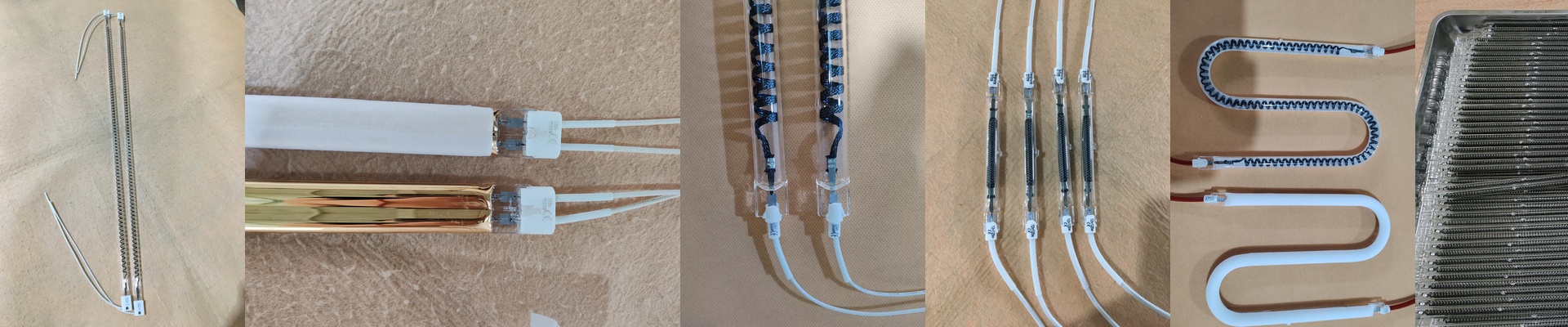
Infrared Carbon Fiber Heat Lamps: Power, Precision, and Industrial Application
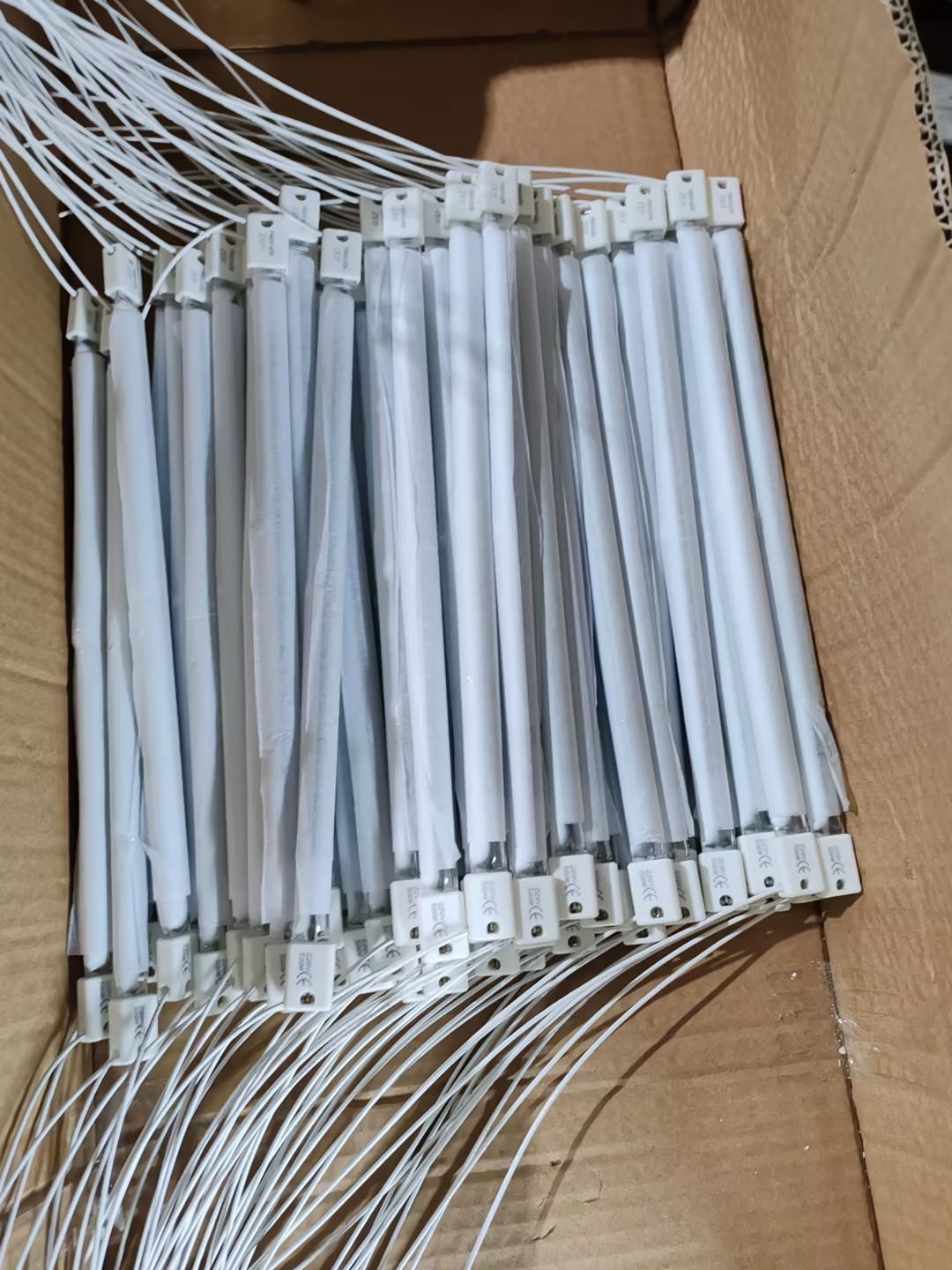
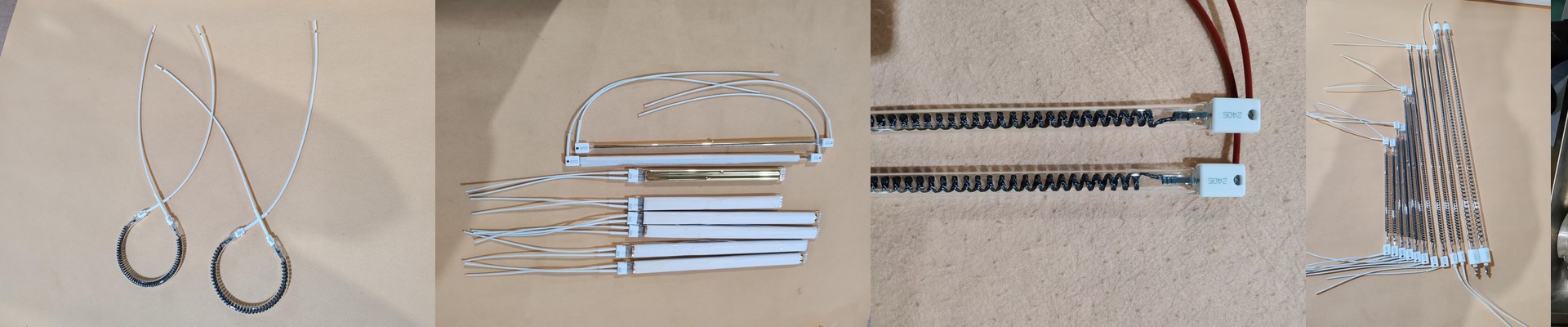
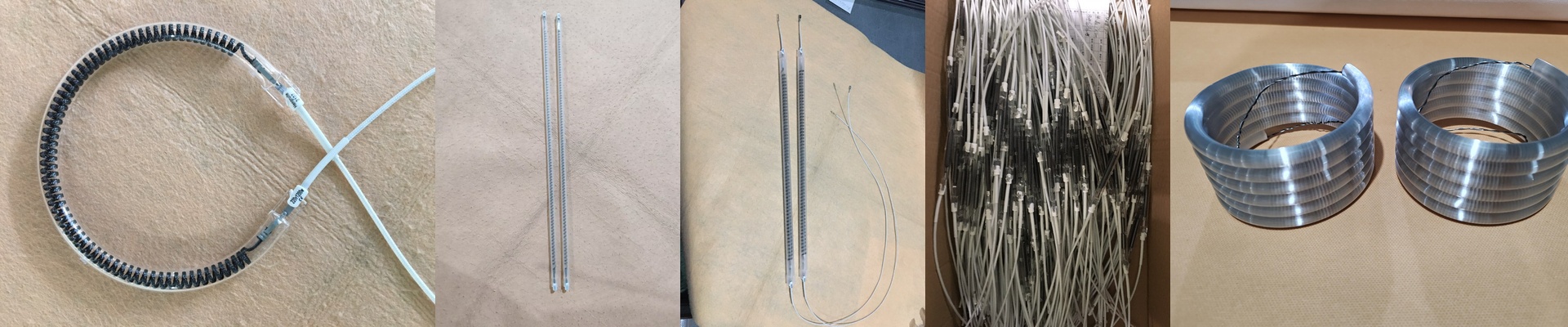
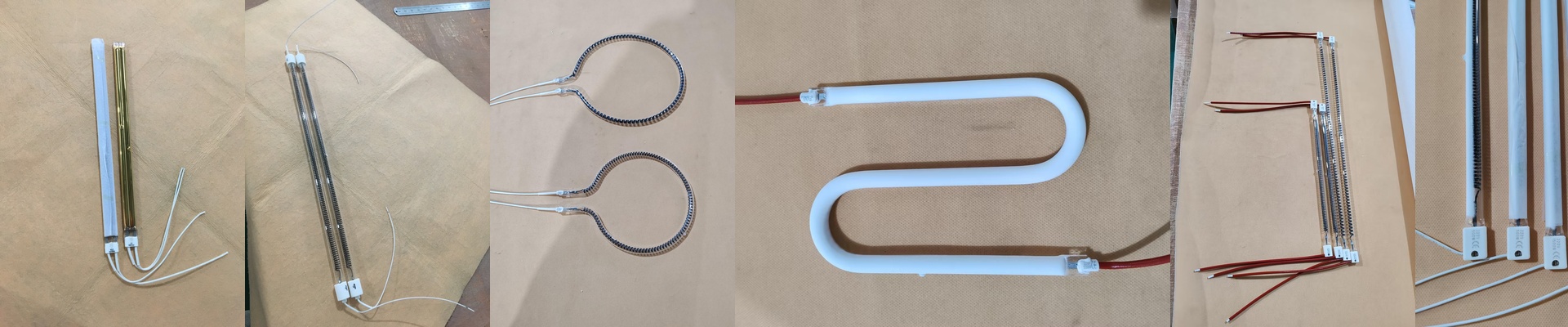
We built this heat lamp for engineers who need serious heat in a seriously small package. You know the drill—tight spaces, big power demands. This isn’t a flimsy little heater. It’s a proper industrial tool, built around a carbon fiber filament tucked inside a quartz envelope, ready to run on high-voltage power.
Power, Voltage, and Size—The Real-World Numbers
Here’s the thing: we run this on high voltage, typically around 400V. That lets the carbon fiber filament crank out intense infrared energy, hitting about 2500W without pulling a ton of current. And that matters. Lower current means you can use thinner wiring and smaller contactors in your control panel. More space saved. Fewer components. More money in your pocket. We kept the footprint small too—about 300mm long. It’s a sweet spot. Long enough to radiate serious heat, but compact enough to slip into those cramped spots where bigger heaters just won’t fit.
Why Carbon Fiber? And Why It Works
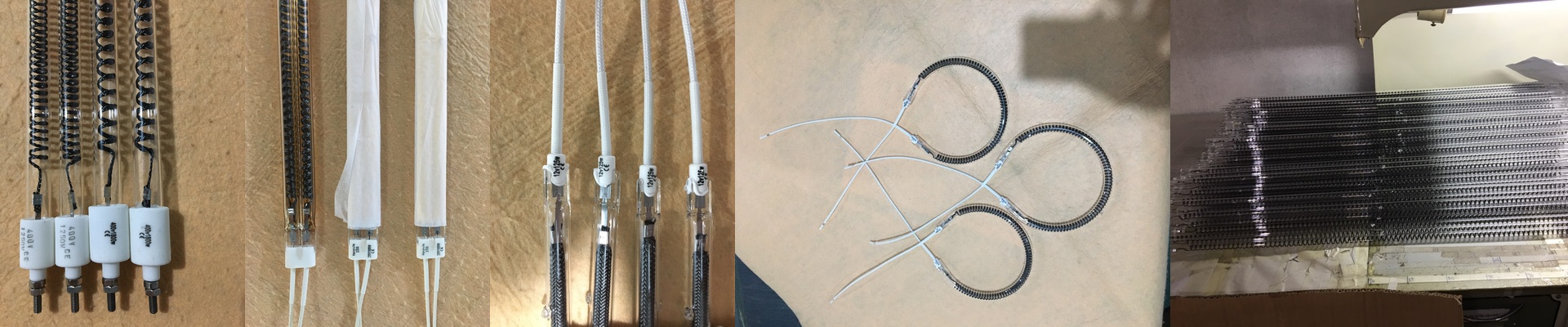
The carbon fiber filament is the star of the show. It heats up fast—like, seconds fast. And it doesn’t just get hot; it gives off a broad spectrum of infrared that really gets into materials. The quartz tube isn’t just a shell. It keeps the filament stable and handles the shock of heating up and cooling down again, again, and again. And the R7s connector? It’s a double-ended, direct-contact fitting that locks in solid. It stays tight even when your machinery is vibrating, and handles the high current without loosening. This thing is built to drop in and get to work, no fuss.
What It Can Do—And What to Keep in Mind
This lamp is a workhorse. In a sauna, that broad infrared spectrum wraps you in deep, even warmth. In an industrial printer, it dries inks and cures coatings fast, so the line keeps moving. But there’s a trade-off. All that power in such a small space means one thing: heat. Lots of it. So, your machine’s cooling system has to be up to the task. If you don’t plan for that heat, the lamp will burn out sooner than it should. We give you the power. You just need to make sure your setup can handle the warmth.