Getting Your Heidelberg Speedmaster IR Lamps Right
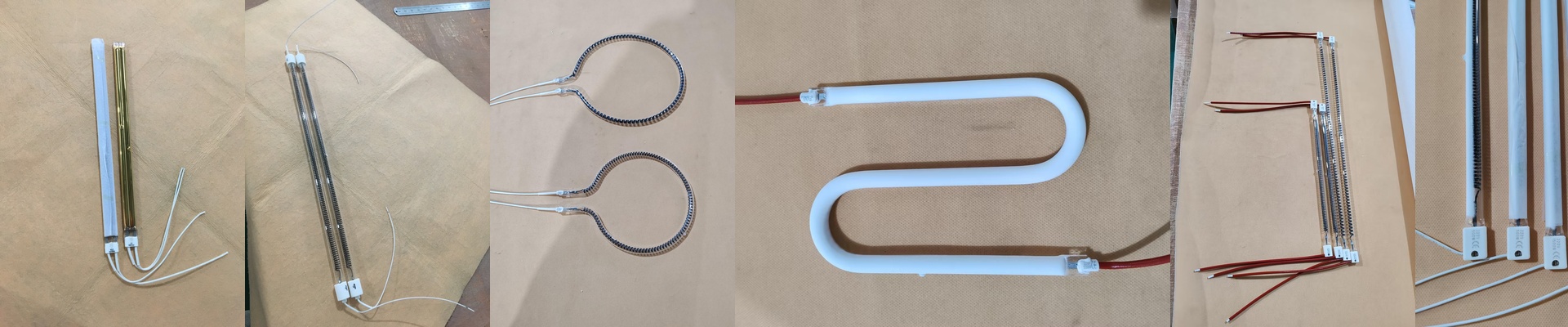
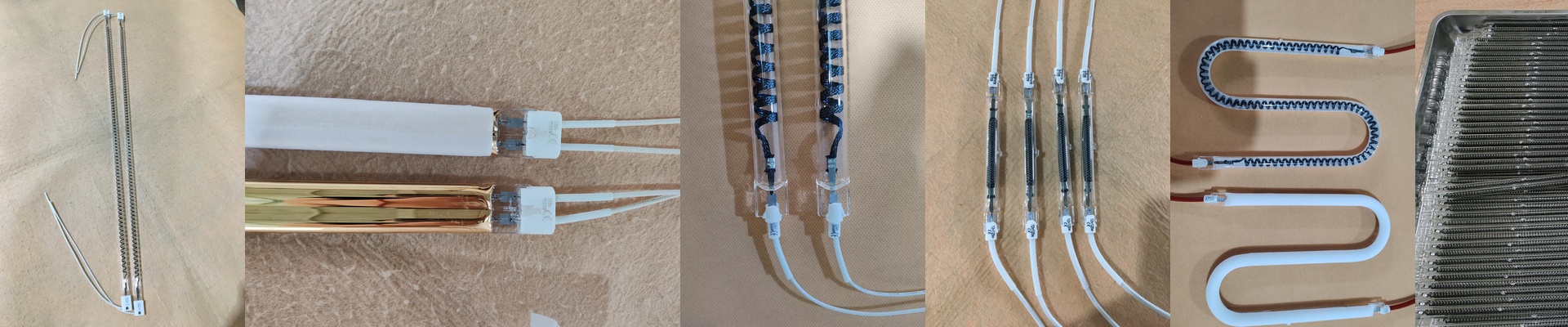
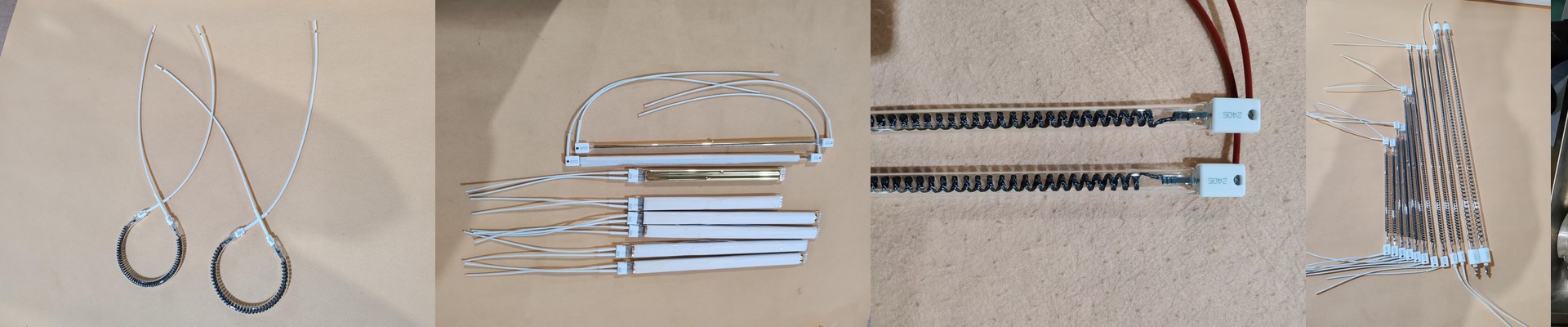
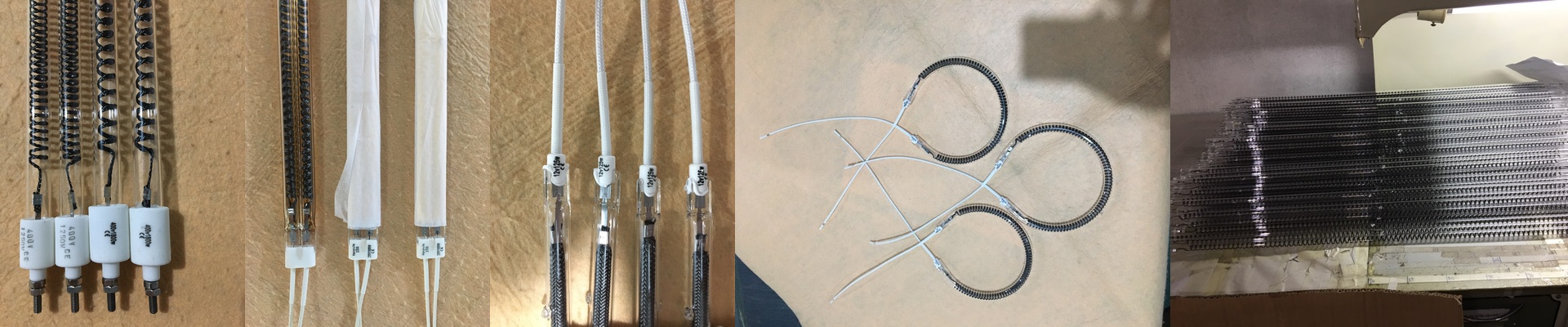
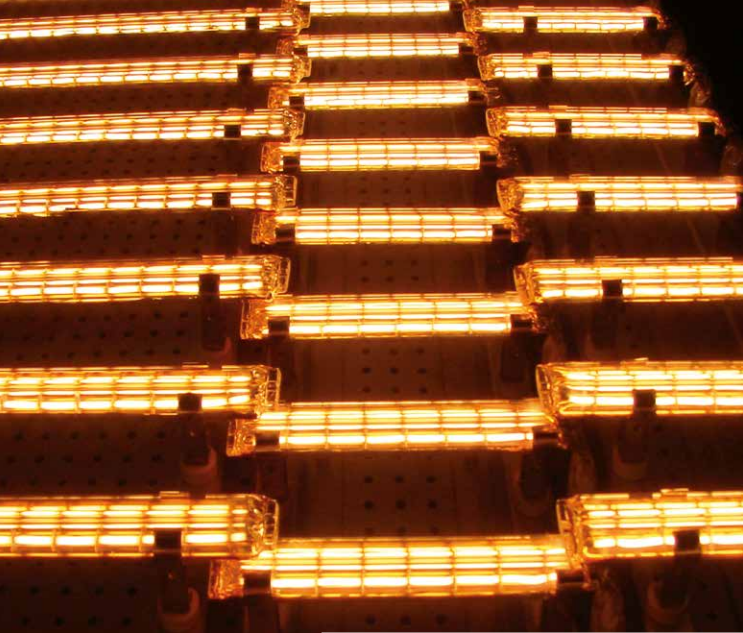
Let’s be honest: there’s no such thing as a “universal” IR lamp. If you try to force a generic tube into a press, you’re just asking for trouble. When it comes to the Heidelberg Speedmaster, it’s all about the details—the exact wattage, the voltage, and the physical size. If those don’t line up perfectly, it’s not a replacement; it’s a headache. The electrical side of things Here’s the thing about heat. You need that high-density shortwave radiation to dry your ink fast, but you can’t just crank it up and hope for the best. If you do, you’ll scorch your paper. We make sure our tubes match your original specs exactly. Why? Because if you pop a 230V lamp into a 380V circuit, your heat output will tank. On the flip side, if the wattage is too high, you’re looking at blown fuses or fried controllers. We keep the tolerances tight so the heat is steady from one end of the lamp to the other. Fit and feel We use high-purity quartz glass. It has to be. These lamps cycle on and off constantly, and cheap glass just can’t handle that kind of thermal shock—it’ll crack. But the real danger is in the connectors. Most generic lamps fail right here. Depending on your Speedmaster model, you’ll need an R7s or an SK15 base. If those pins are off by even a millimeter, you get arcing. That’s a great way to melt your socket and ruin your day. The reality of the shop floor These lamps put out some serious heat. But remember, the lamp is only half the battle. If your reflectors are dirty or oxidized, you’re wasting about 30% of your energy. It doesn’t matter how good the tube is if the mirror is filthy. Keep those reflectors polished. We build these lamps to take a beating in a high-production shop, but they still need a clean install. Treat them right, and they’ll do the heavy lifting for you.