Getting Industrial Drying Right with Carbon Fiber Heat
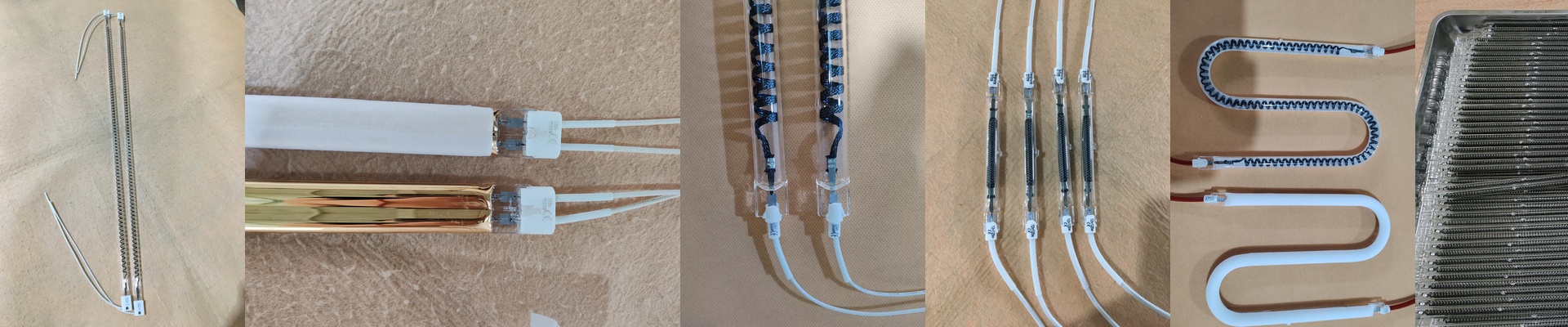
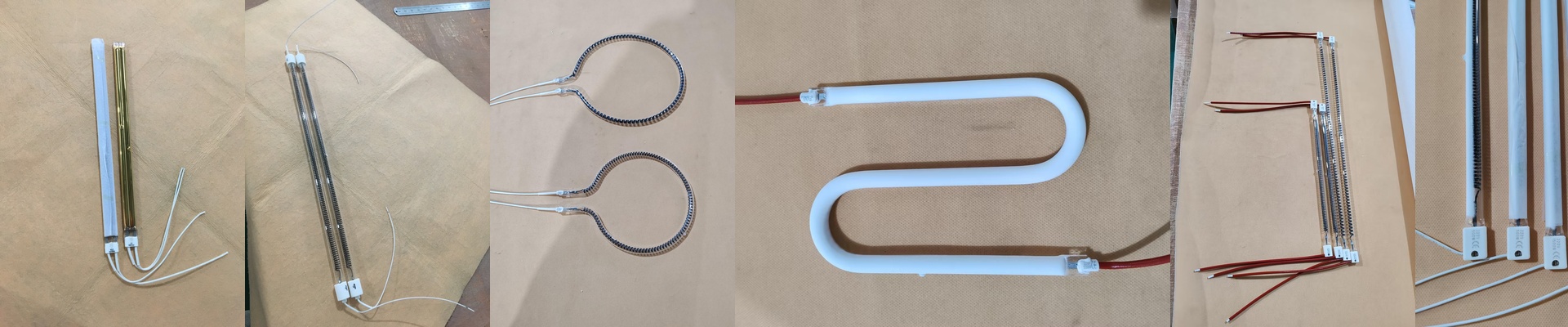
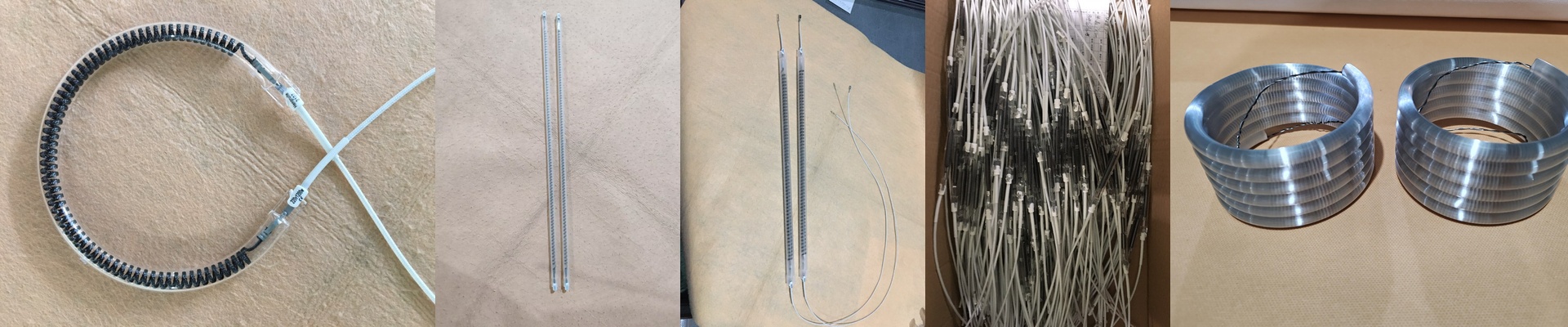
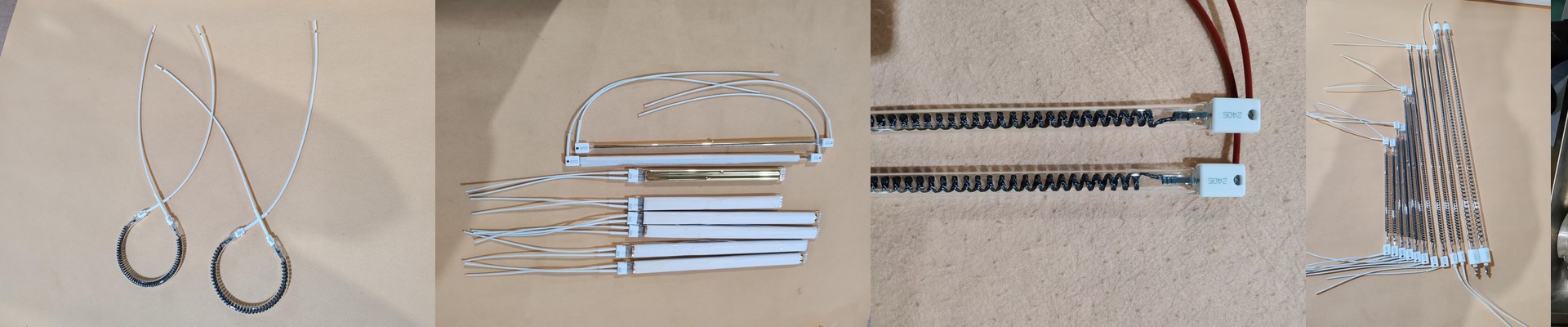
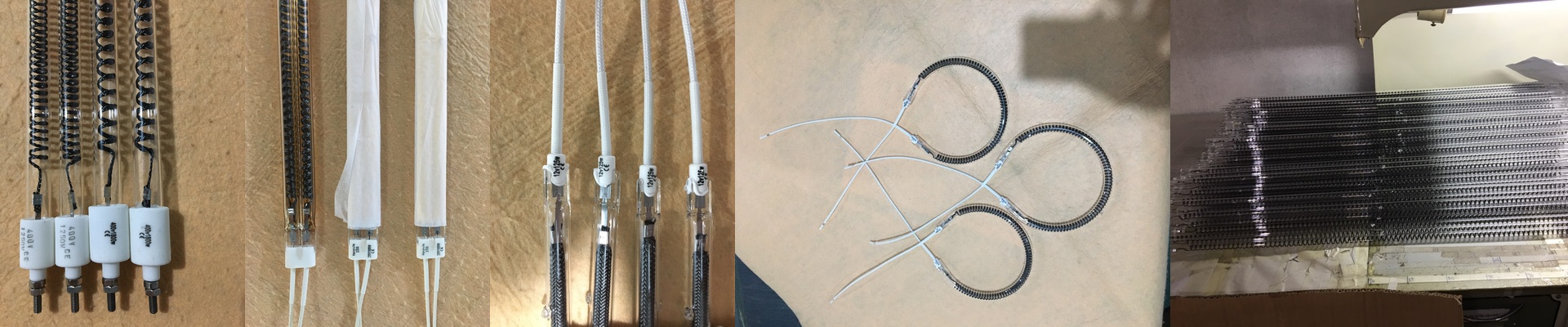
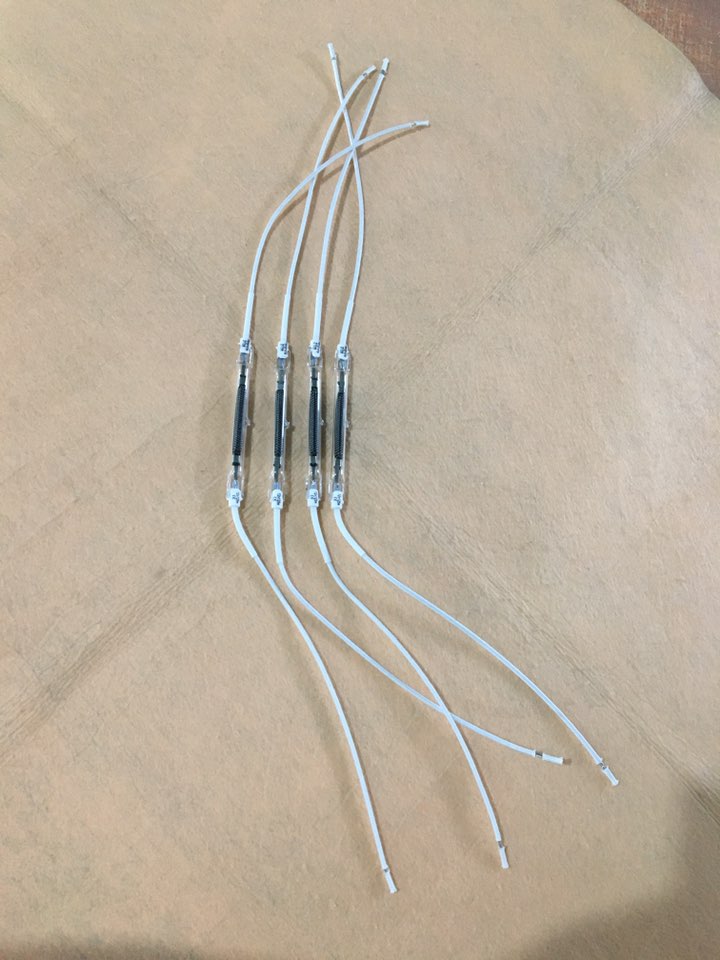
Let’s be honest: traditional quartz tubes have their limits. Sometimes they’re just too slow, or they simply can’t handle the heat load you’re throwing at them. That’s why we build carbon fiber heating lamps. Instead of a standard coil, we embed a carbon filament inside a protective sleeve. This shifts the heat spectrum, allowing it to soak deep into the material rather than just skimming the surface. It’s a lifesaver when you’re trying to cure carbon fiber composites or squeeze every last drop of moisture out of heavy-stock paper. Picking the right specs It all comes down to wattage and voltage. Here’s the thing: if you’re drying paper, you can’t just blast it. You’ll scorch the top layer and leave the middle damp. You have to look at your conveyor speed. If your belt is flying, you need higher wattage to hit that target temperature before the material moves out of range. It’s a balancing act. What’s under the hood? Carbon fiber filaments don’t hang onto heat the way metal coils do. They snap to temperature and cool down just as fast. This means you aren’t burning money on power while the system is idling. We wrap these filaments in high-grade quartz or ceramic. Why? Because paper mills are dusty, and debris is the enemy. We also beef up the connectors. If you’re running 24/7, you can’t have your terminals burning out in the middle of a shift. A few things to watch out for These lamps put out a massive amount of heat. You’ve got to make sure your housing is vented. If the air doesn’t move, the heat soak will warp your mounts or fry your sensors. And a word of caution: if you’re warming carbon fiber, the wavelength has to match the material’s absorption peak. If it’s off, you’ll overheat the surface and ruin the part. Plus, don’t even think about wiring these up without a solid PID controller. Without one, the temperature will overshoot, and you’ll damage your substrate. It’s a powerful tool, but you need a tight grip on the controls.