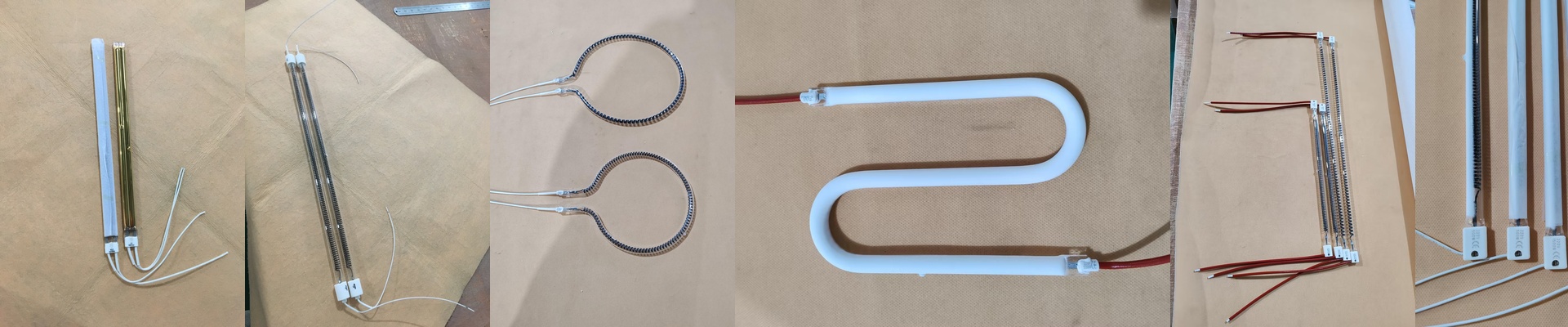
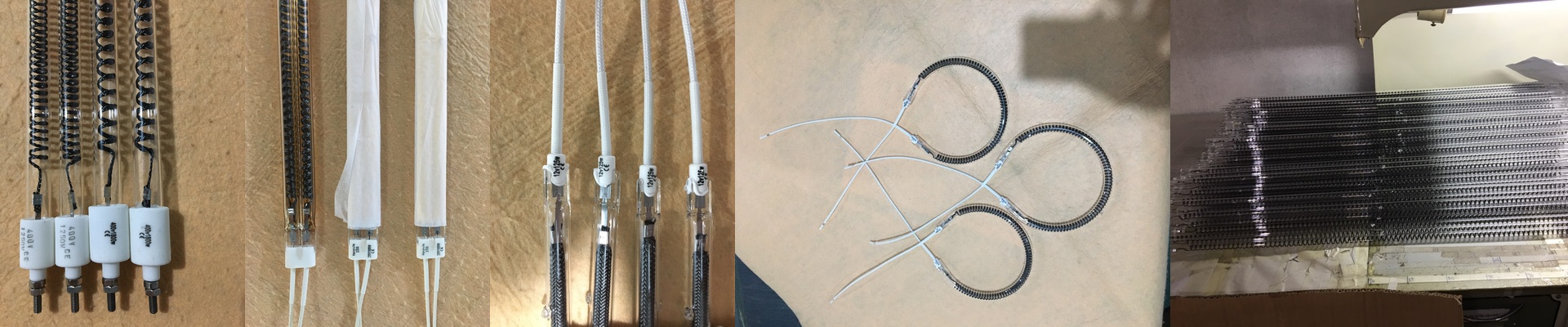
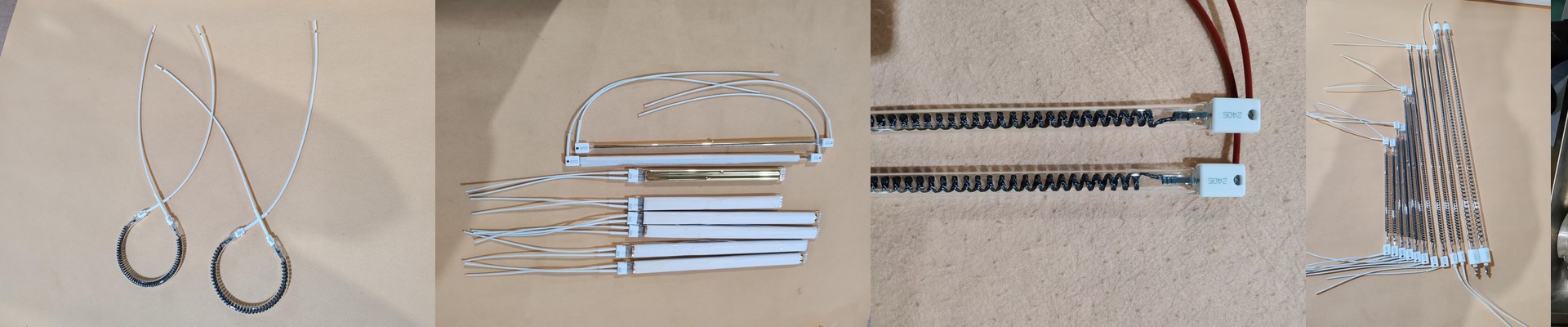
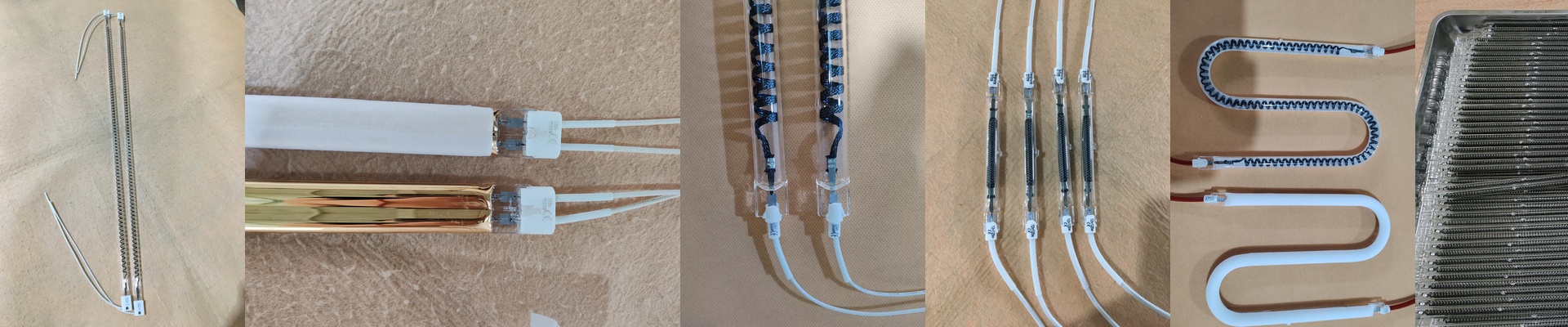
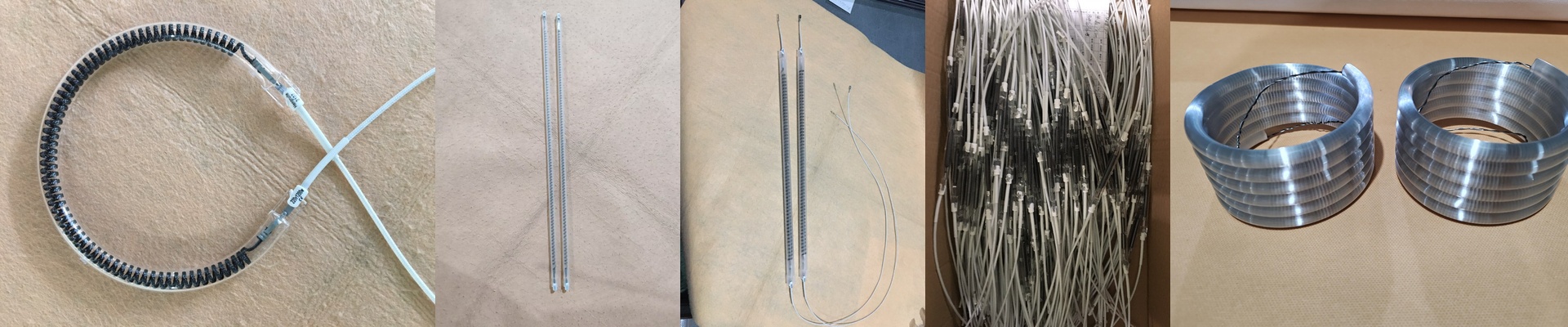
Let’s Talk Carbon Fiber Heating Lamps
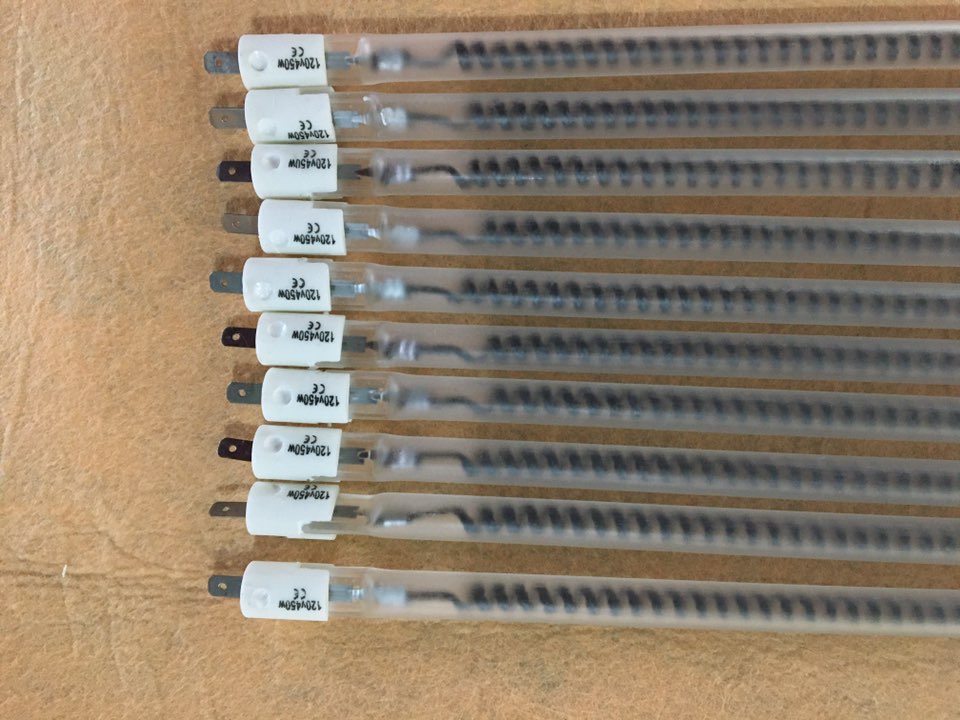
If you’ve ever used old-school metal alloy coils, you know the drill: they get scorching hot on the surface, but sometimes the heat just doesn’t soak into the material where it actually needs to go. Carbon fiber lamps do things differently. We use a carbon fiber filament tucked inside a quartz tube. Instead of just blasting the surface, these emit long-wave and medium-wave infrared. It’s a softer, deeper kind of heat. You get the warmth deep inside the material without accidentally burning the top layer to a crisp. Getting the power right When we’re building these, it’s all about the balance between wattage and length. If you cram a ton of wattage into a short tube, you get a massive hit of heat density. It’s great if you need to hit your target temperature in a few seconds flat. But here is the catch: you’ve got to be precise with your power supply. If you over-volt the filament, you’re basically asking it to burn out. Keep the voltage exactly where it’s rated, and the lamps will last. The build and the bits The quartz tube isn’t just for show; it keeps the filament from oxidizing. Depending on where you’re using these, we can add special coatings. Some help shift the wavelength, others just keep the glass from getting ruined by chemical splashes on a messy factory floor. For the wiring, we stick to the basics like R7s or SK15 connectors. Why? Because nobody wants to rewire an entire heating bank just to swap out one bulb. You just pop the old one out and drop the new one in. Simple. Real-world use (and the headaches) You’ll see these all over the place—PET blowing, curing paint, industrial drying. They’re a huge space-saver compared to those bulky forced-air ovens. But let’s be honest about the downsides. Quartz is fragile. It doesn’t like being shaken. If your machinery vibrates a lot, don’t just bolt the lamps in—use shock-absorbing mounts or you’ll be replacing tubes constantly. One more thing: high-density tubes throw a lot of heat backward. If you don’t insulate your housing properly, you’re going to fry your control electronics. And trust me, that’s a headache you don’t want.