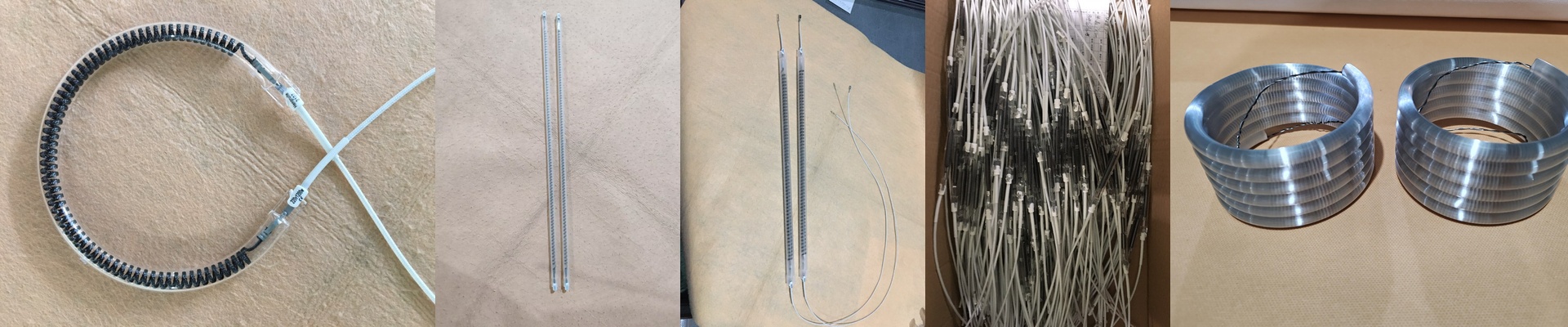
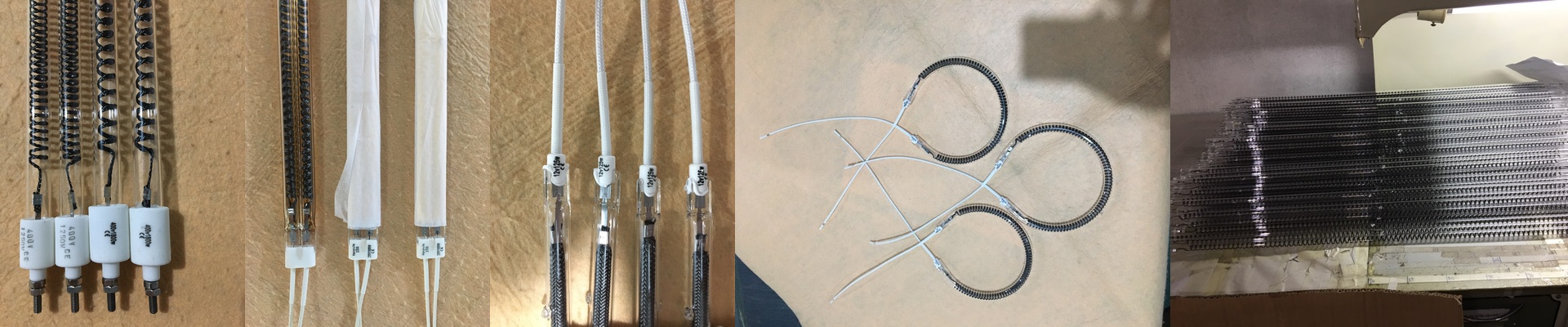
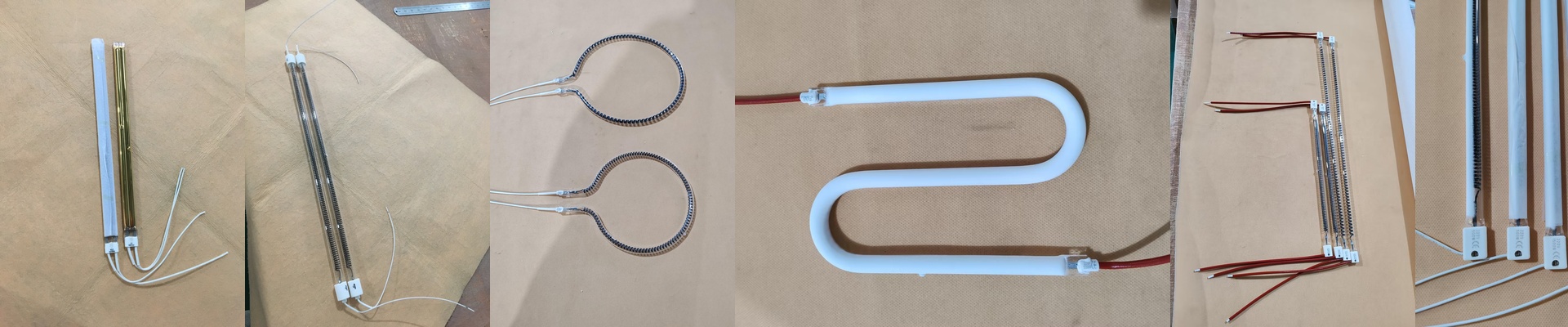
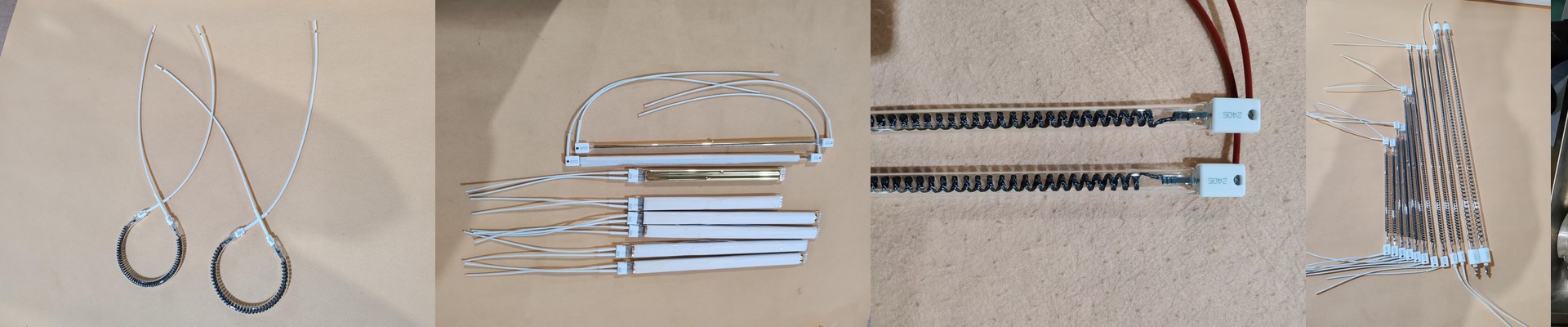
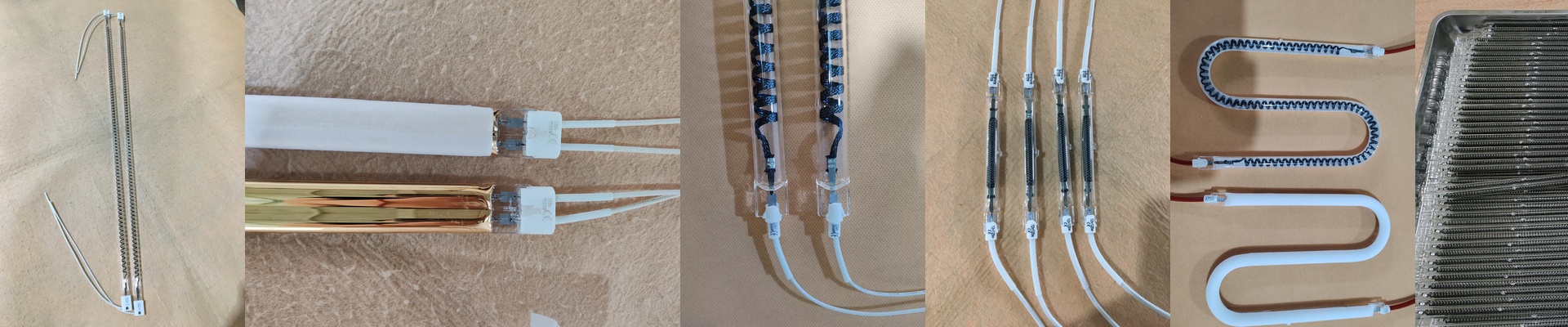

Let’s talk about 220V Carbon Fiber Infrared Heaters
If you’ve ever used old-school metal alloy heaters, you know they can be a bit sluggish. Carbon fiber is a different beast. Instead of waiting around for a metal coil to glow, these use a conductive carbon filament that turns electricity into heat almost instantly. It’s fast. Really fast. Because carbon fiber handles heat differently than metal, it pumps out a lot more long-wave infrared radiation. In plain English? You feel the heat immediately.
The nuts and bolts of the power
Most industrial setups already run on 220V, so plugging these in is usually a breeze. When we build these, we play around with the wattage density depending on how much space you’re trying to heat. If you need a hot spot in one specific area, we go with a shorter tube and crank up the wattage. If you need a steady, wide spread of heat, we go longer. One quick tip: keep an eye on your PID controller. You’ll want to match it specifically to the filament’s resistance. If you don’t, you might deal with “overshoot,” where the heater gets hotter than you actually wanted.
The good and the bad
The carbon fiber core sits inside a quartz or ceramic sleeve. Think of it as a protective shell that keeps the filament from oxidizing or getting bumped. The best part is how they handle the “on-off” cycle. Tungsten filaments tend to burn out if you flip them on and off too often, but carbon fiber can take a beating. It’s tough. But here’s the catch. While the fiber is rugged, the quartz glass is brittle. If your machine vibrates a lot,do notjust bolt these in. Use dampened mounts. If you don’t, the glass will crack, the air will get in, and your filament will be toast in no time.
Getting them into your system
These are basically drop-in replacements for those clunky old resistive strips. They take up way less room because you don’t need those massive heat sinks to make them work. When you’re wiring things up, just double-check that your terminals can handle the peak current. You don’t want to see your insulation melting because the wires were too thin. And if you’re stuffing a high-wattage heater into a tight box, make sure your cooling fans are up to the task. Otherwise, the ambient heat will just build up until things get messy.