Getting Flash Drying Right with Carbon Fiber Heating Tubes
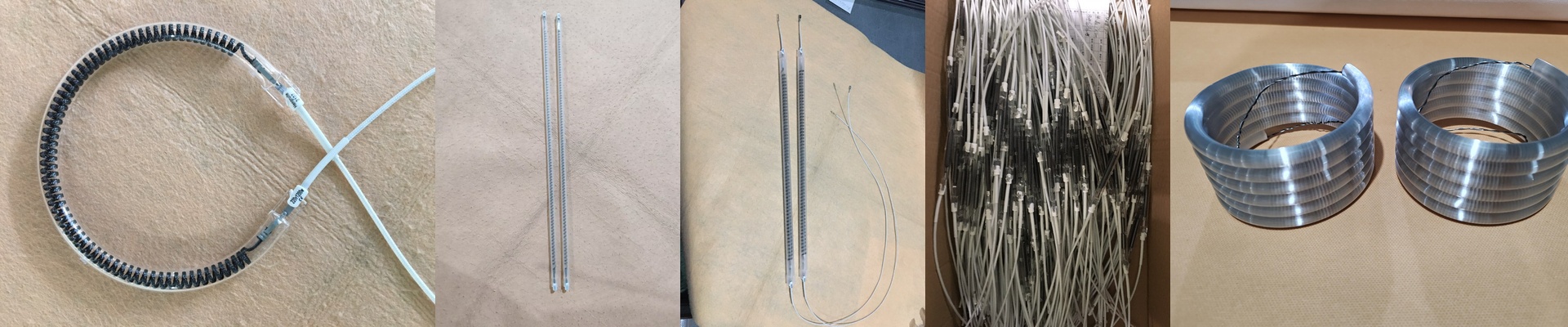
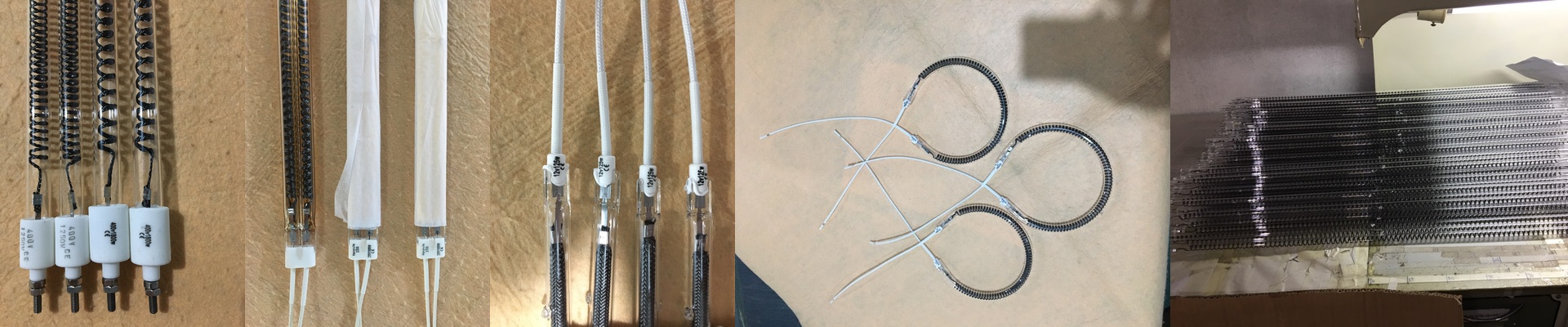
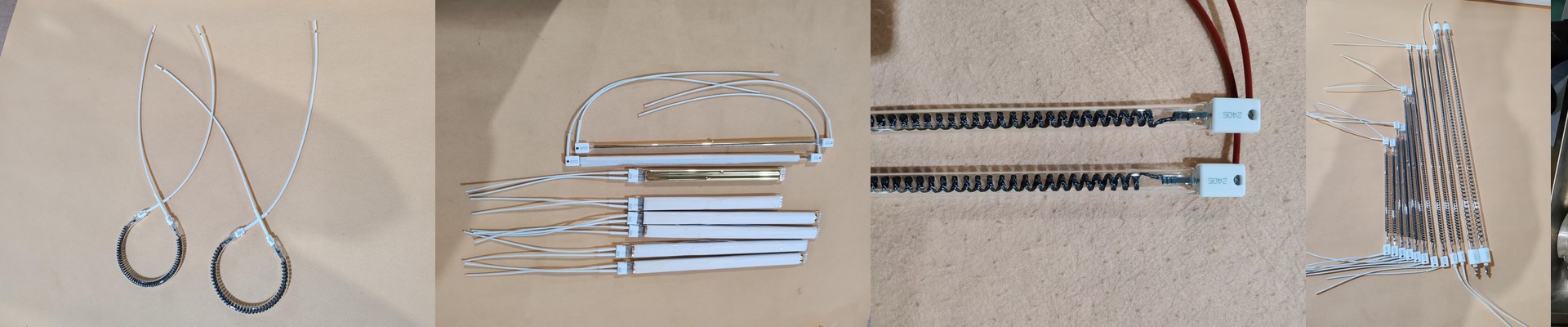
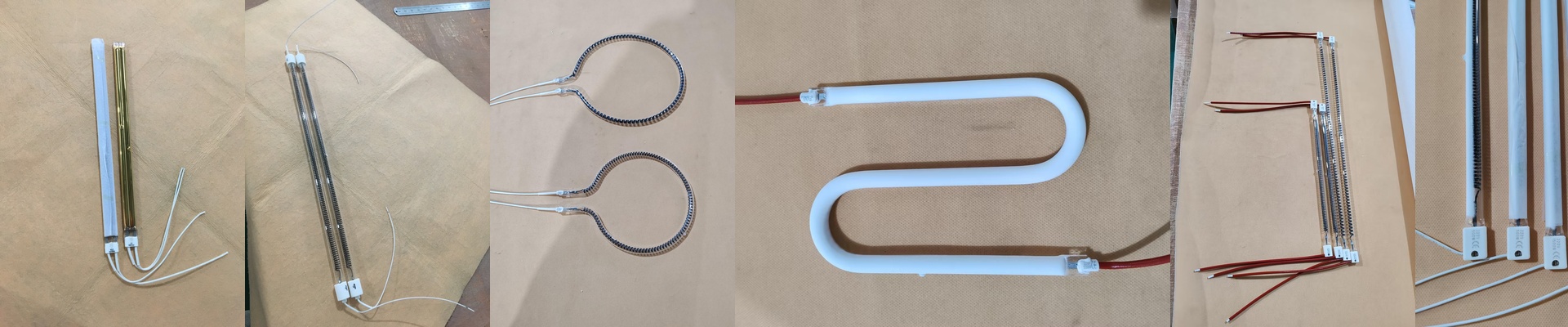
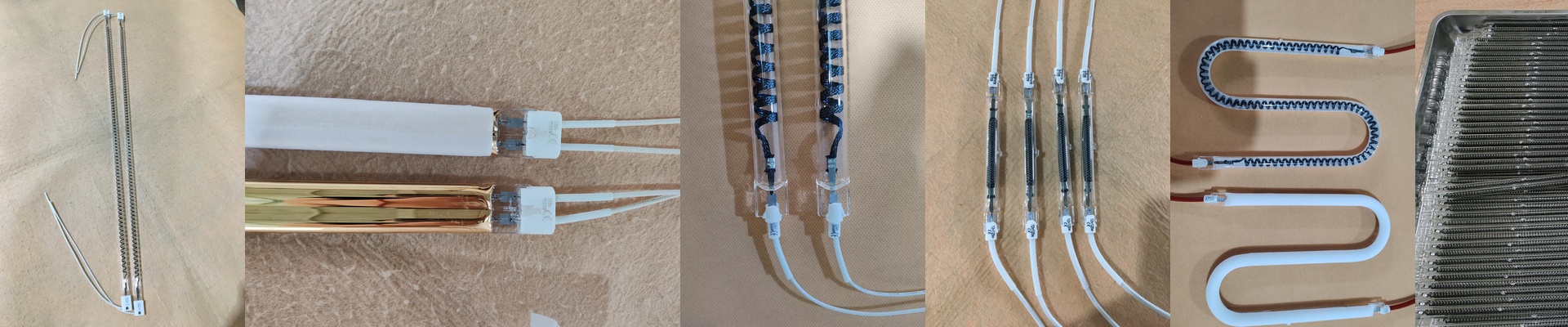
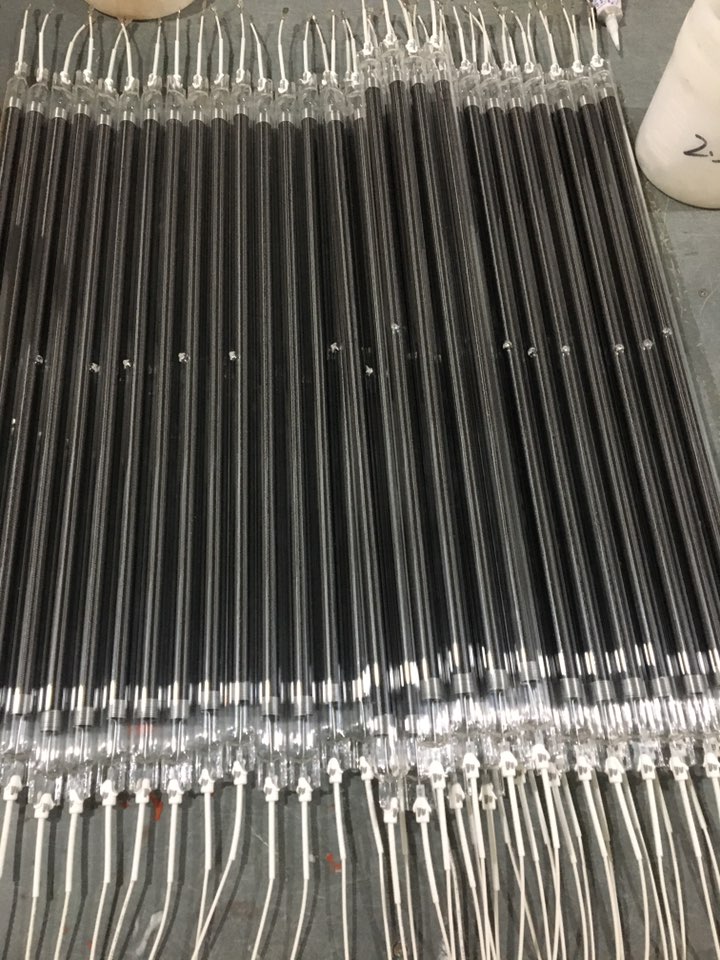
Flash drying is all about the shock. You need a massive hit of heat, and you need it now, to yank moisture out of your material in a matter of seconds. To pull that off, we use carbon fiber heating elements tucked inside high-purity quartz. Compared to those old-school metal coils, carbon fiber is a different beast. It ramps up almost instantly and puts out a much more concentrated infrared punch. The nitty-gritty on power When we’re building these for industrial setups, we push a lot of wattage into a short length of tube. By using high voltage, we can cram more power into the filament without making the tube bulky. It keeps the whole footprint small but keeps the heat flux high. One heads-up: your power supply has to be ready for that initial surge when you flip the switch on a cold start. If your voltage is jumping around, you’re basically asking for your filaments to burn out early. What’s actually inside the tube? We wrap the carbon fiber in quartz for a reason. It’s practically invisible to short-wave infrared radiation, so the heat just slides right through without getting trapped in the glass. Depending on what you’re drying, we can add a special coating to tweak the heat spectrum or keep gunk from building up on the surface. Now, let’s talk about the connection points. That’s where things usually go wrong. We use heavy-duty terminals because oxidation at the seal is a nightmare. If you’re swapping these into an old rig,**double-check your wiring gauge.**If the wires are too thin for the amperage, they’ll get hot enough to melt the insulation. Not a good look. Making it work in your system The beauty of these tubes is the speed. You hit your target temp almost immediately, which means your product spends less time in the chamber. This is huge because it stops your material from over-drying or, worse, scorching. But there’s a catch: quartz is fragile. It’s glass, after all. If your dryer shakes or vibrates, you absolutely need dampened mounts. If you don’t, those tubes will snap right at the seals. And please, don’t skimp on the airflow. You need steady convection to move that heat into your product. If the air stays still, the tube surface can get so hot it actually starts to soften the quartz.