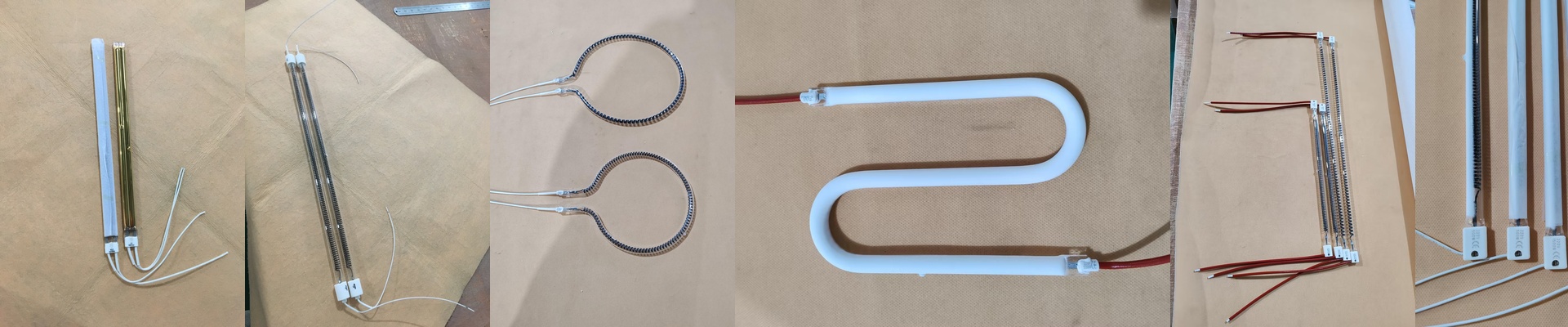
Getting the Heat Just Right
So, you’re looking at specs for an infrared heater. At the end of the day, it’s all about finding that sweet spot between raw power and control. Take a 400V, 2500W unit inside a 300mm tube, for instance. This isn’t subtle. It’s built for high-intensity, spot heating. You get a concentrated blast of energy that heats up fast. But this kind of power isn’t for a job that runs once in a blue moon. It needs a serious electrical setup and proper machine cooling to keep the surrounding heat from building up.
What’s Inside Matters
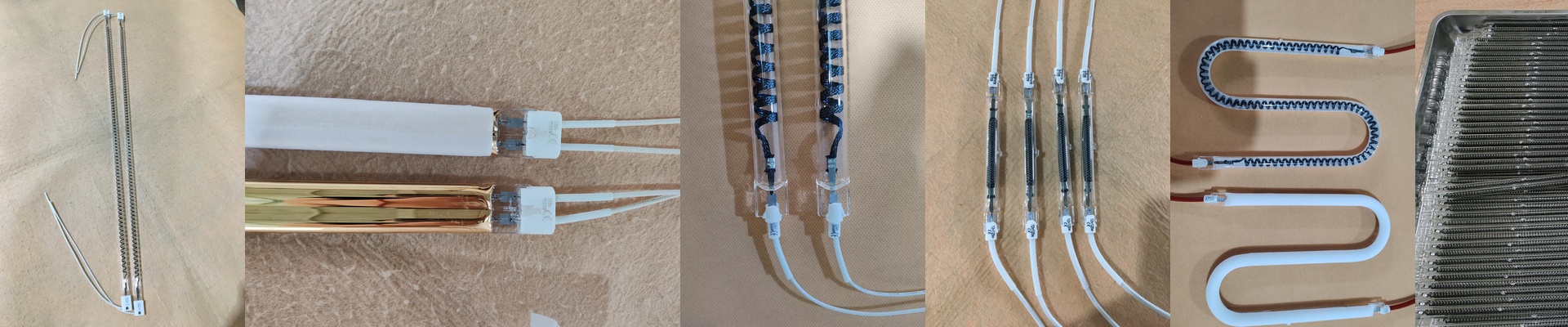
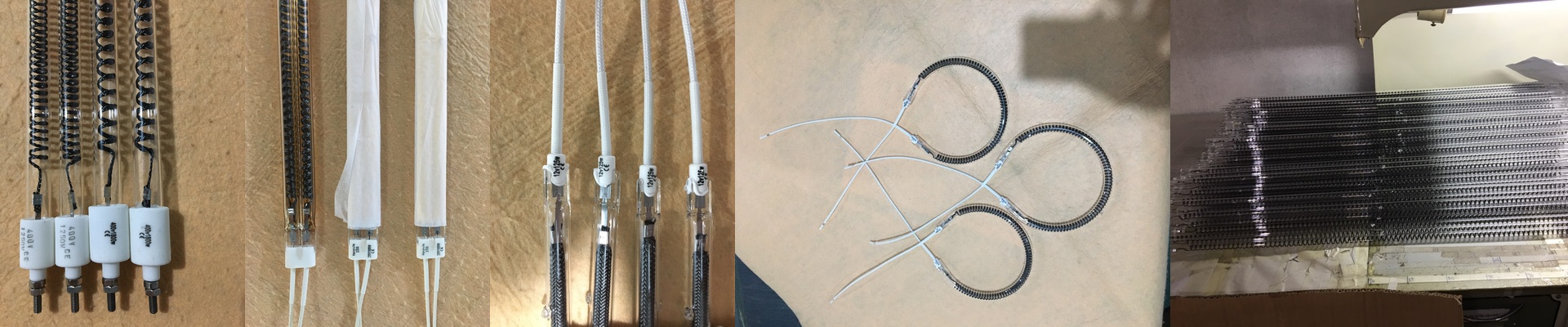
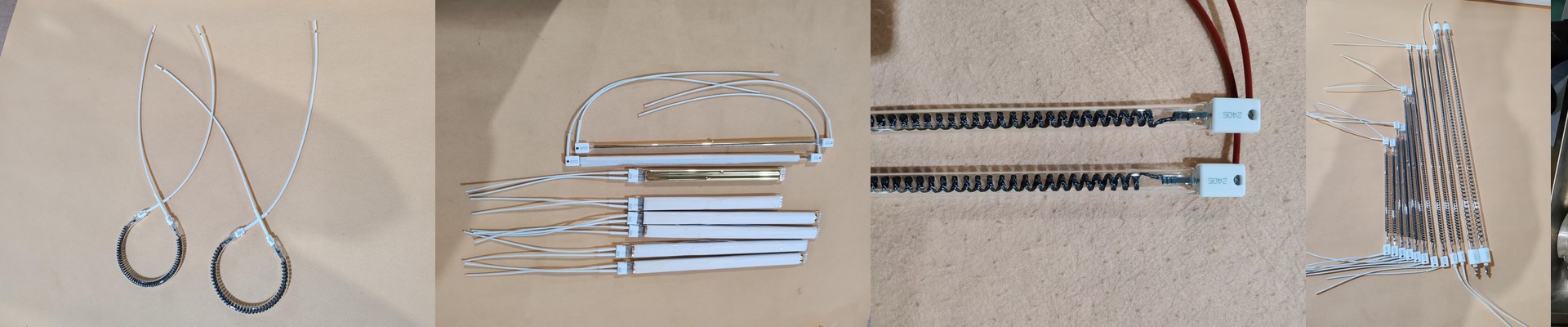
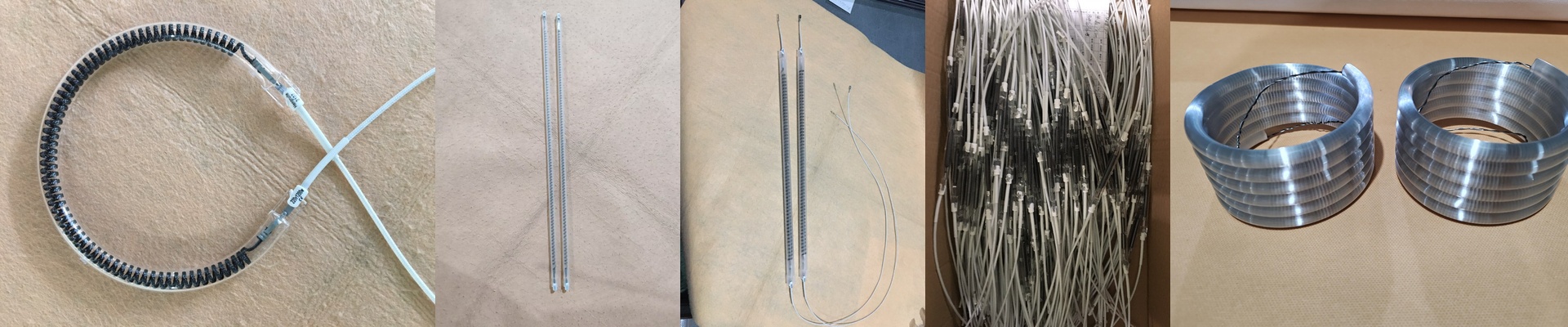
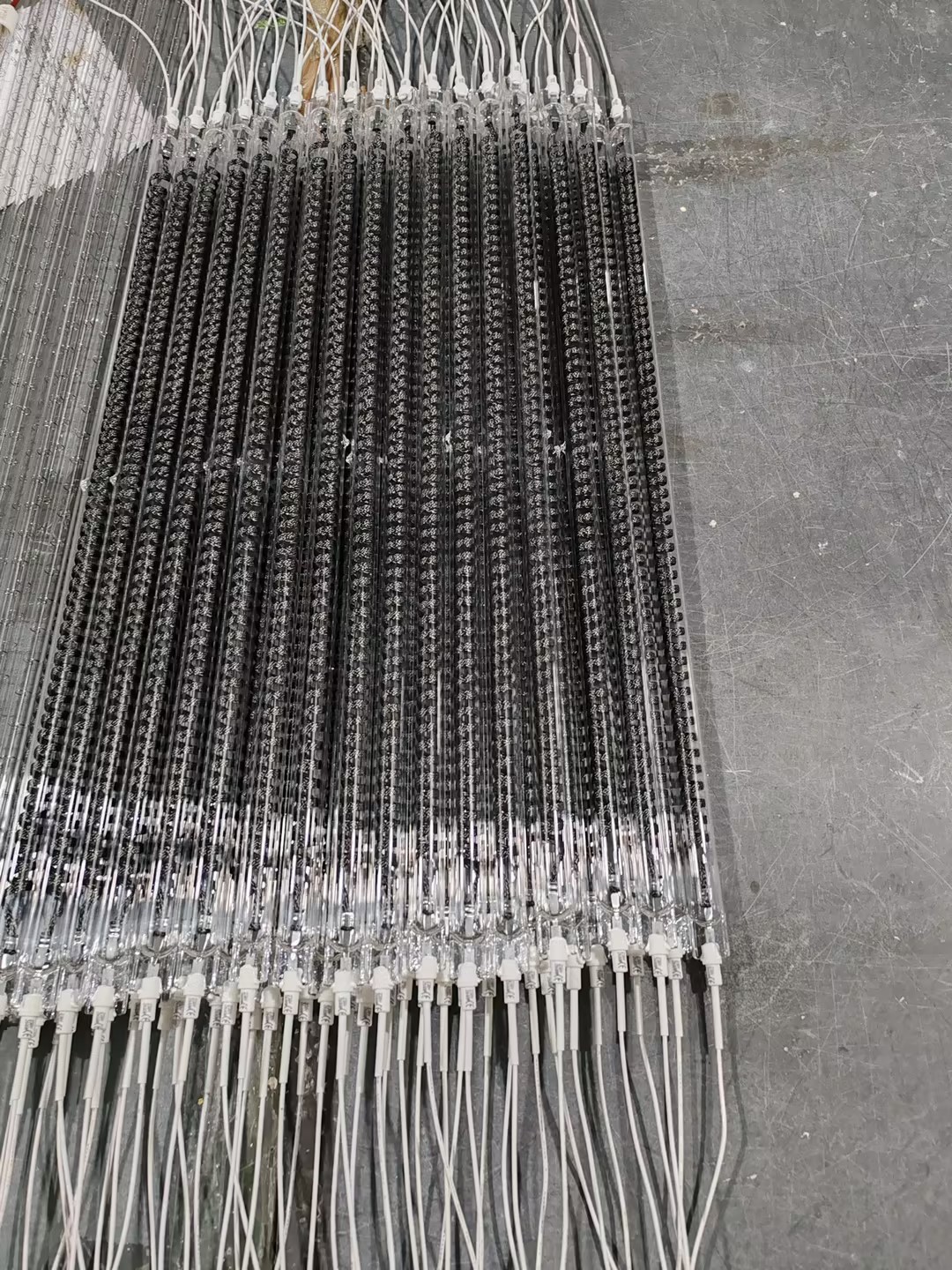
It all comes down to the emitter material you choose. Go with a quartz infrared heater, and you’re getting that halogen-filled, shortwave punch. It’s perfect when you need heat, right now. Carbon elements, on the other hand, give you a broader, longer-wave warmth. It spreads the heat more evenly, which is a lifesaver for delicate surfaces that can’t handle hot spots. And for those linear tubes, the R7s double-ended connector is the go-to standard. It locks in tight, handles high heat, and doesn’t loosen up as things expand and contract.
Matching the Heat to the Job
On the factory floor, the choice is simple: it all depends on what you’re doing. Quartz heaters shine when you need to hit a precise temperature in a flash—like curing a coating or sealing a package. Carbon heaters are the workhorses for jobs that demand an even temperature across the board, like plastic welding or PET blowing. They’re designed to drop right in, replacing what you already have. So, here’s the trade-off: quartz gives you speed and intensity. Carbon gives you even coverage and stability. Pick the one that fits the process, not just the numbers on the box.
- Quartz
- Vs
- Carbon
- Infrared
- Heater
- Sk15 Shortwave Infrared Emitter Ir Lamp Heater Infrared Heat Lamp for Blowing Machine
- 2500w-400v-Sk15-Ir-Heater-Lamp-Half-White-Halogen-Infrared-Heat-Lamp-for-Pet-Bottle-Blowing-Machine
- 1500w Ir Heater Clear Tube Republic Pet Blowing Machine Infrared Halogen Heat Lamp