Getting Your MHM Heaters Right (Without the Headaches)
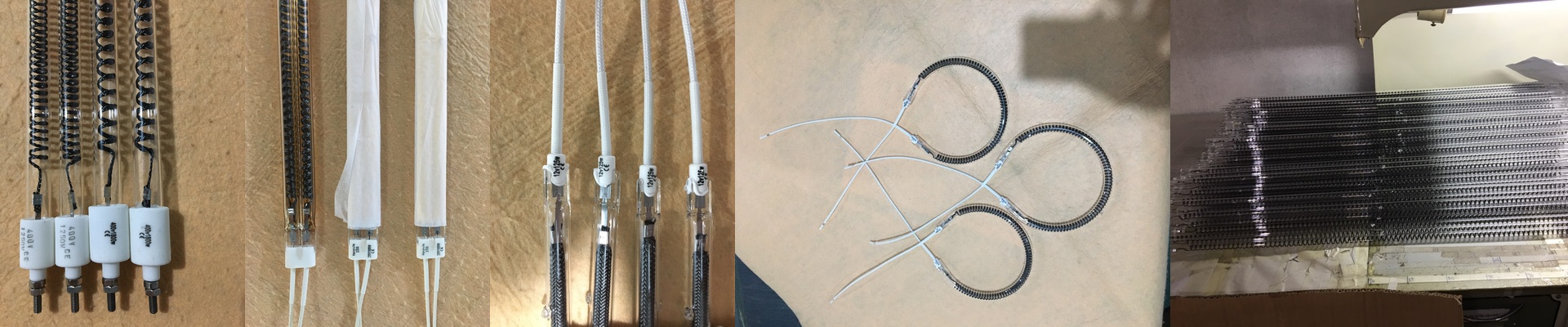
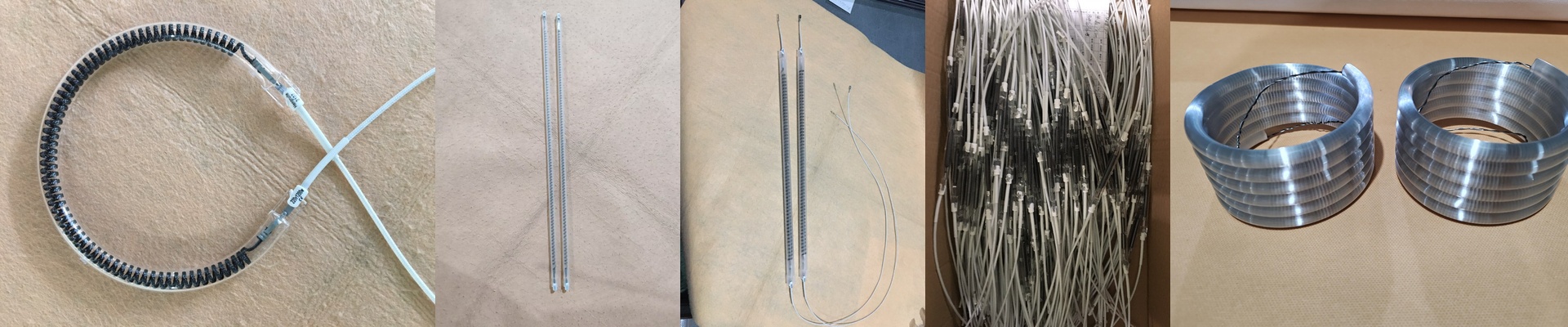
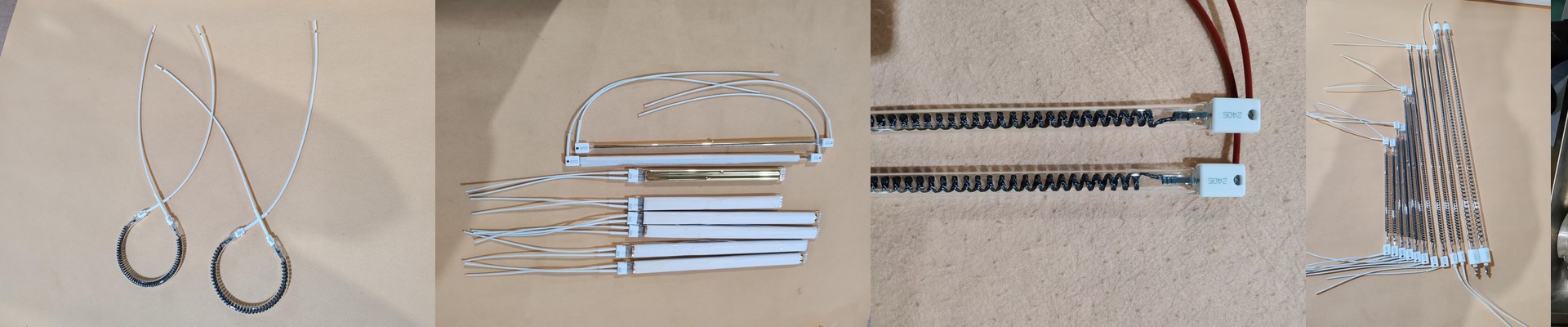
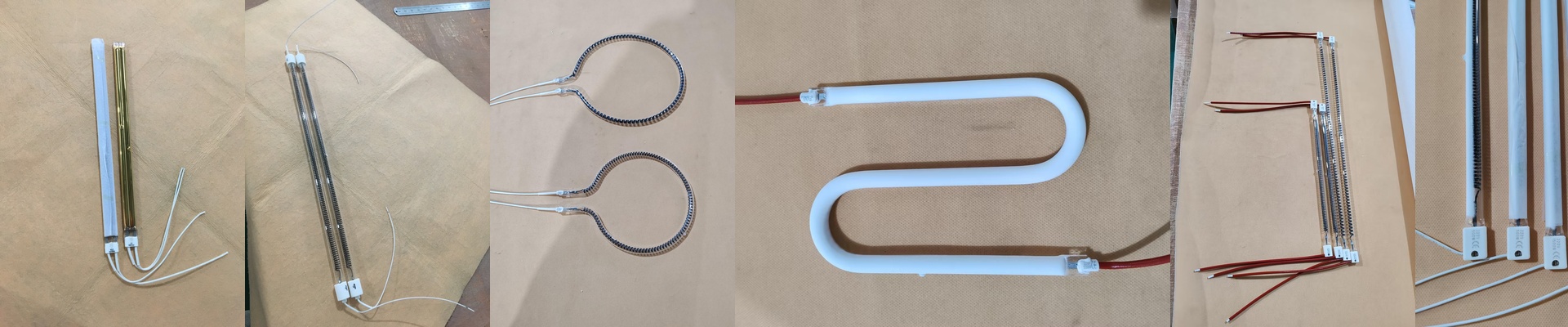
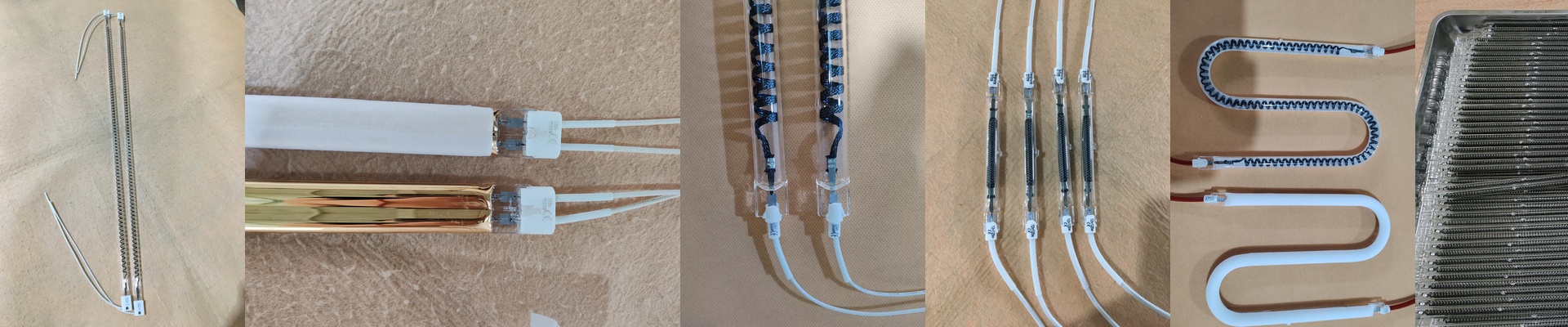
When you’re hunting for spare lamps for your MHM machines, it’s easy to think that as long as it fits in the slot, you’re good to go. But we’ve all been there. You pop in a cheap alternative, and suddenly your ink isn’t curing, or worse, you’re scorching your fabrics. The goal is simple: you want the same heat and wavelength you had on day one. That’s why we build our infrared lamps to be true drop-in replacements. No guesswork. Just the same thermal punch as the factory originals.
Why the “Math” Matters
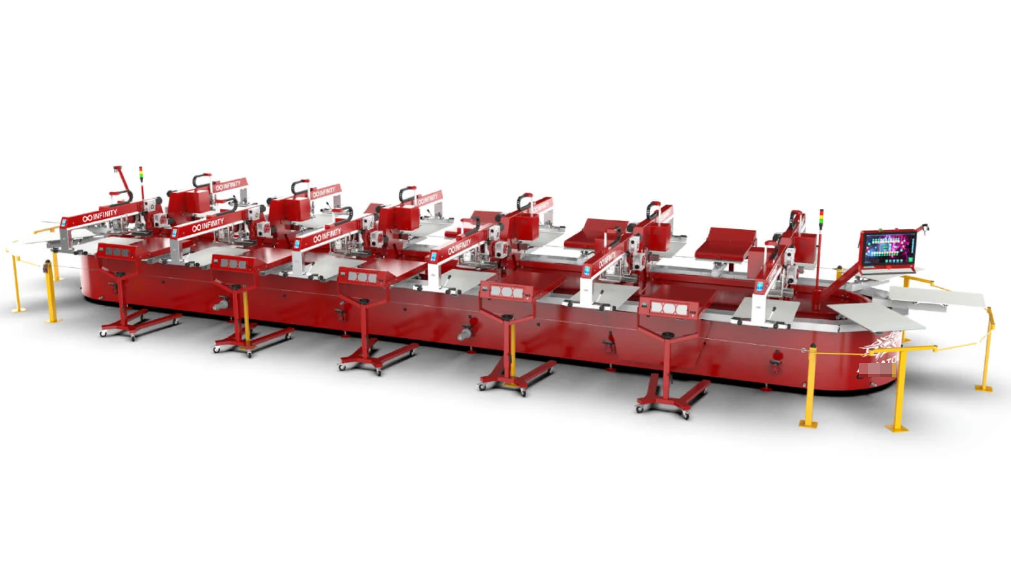
MHM gear lives and breathes high-intensity short-wave infrared. It’s all about the balance of wattage and length. If the wattage is too low, your line speed crawls. You lose money. If it’s too high? You’re burning garments. It’s a tight window. We spend our time calibrating the filament density so the heat spreads evenly across the whole platen. It kills those annoying “cold spots” that leave your prints tacky and unfinished.
The Nitty-Gritty Stuff
We use high-purity quartz for the glass. Why? Because these things go from cold to screaming hot in a heartbeat. Cheap glass cracks under that kind of thermal shock. And don’t worry about the wiring. We build the connectors to match the OEM footprints—usually R7s or those specific SK sockets. You just plug them in and get back to work. Plus, if you’re working with tricky inks, we’ve got coated options that shift the heat spectrum to hit exactly where you need it.
A Few Real-World Tips
Here’s the thing: these lamps put out a massive amount of heat, almost instantly. Because of that, your ventilation has to be on point. If your exhaust fans are choked with dust, the heat just sits there. That build-up will eat your lamps alive and shorten their lifespan. One last piece of advice? Before you wire in your new lamps, check your contact points for oxidation. A dirty socket causes arcing, and that’s a fast track to burning out your end-caps. A quick clean now saves a lot of frustration later.