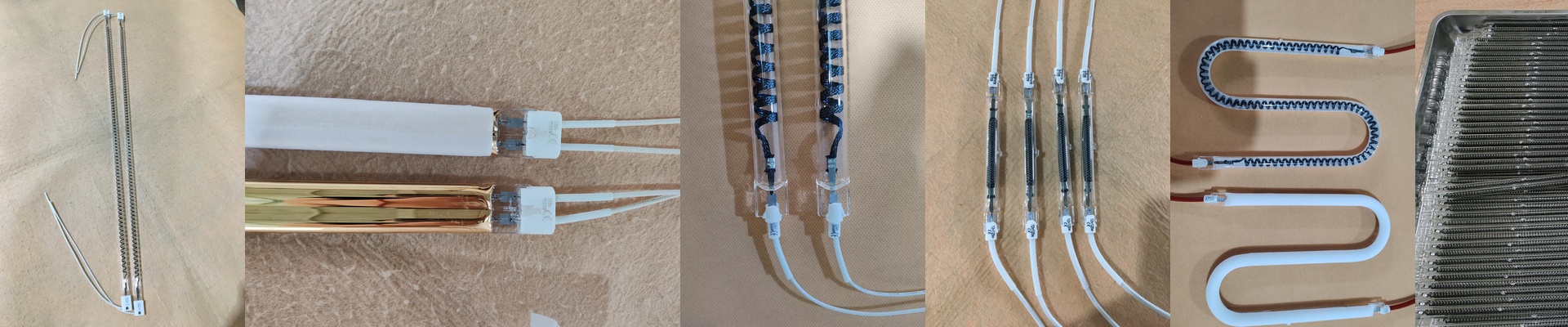
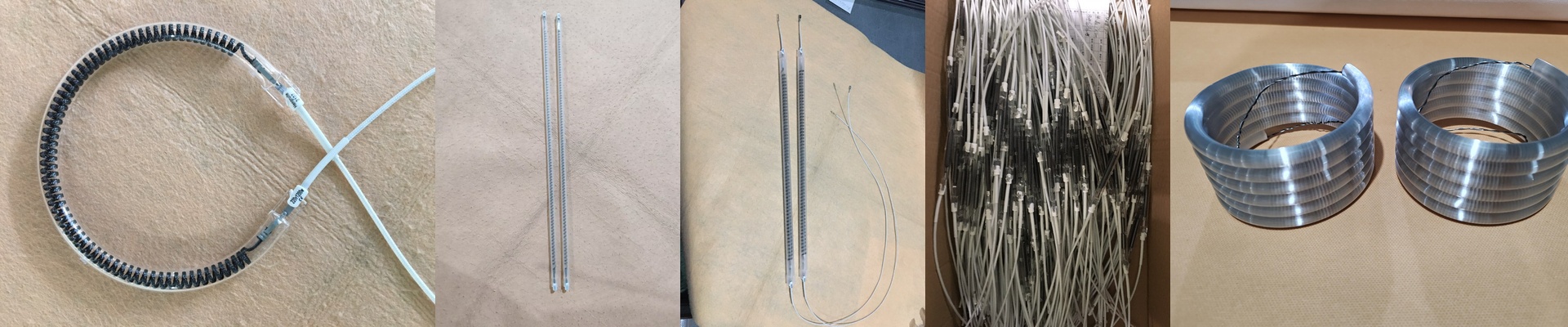
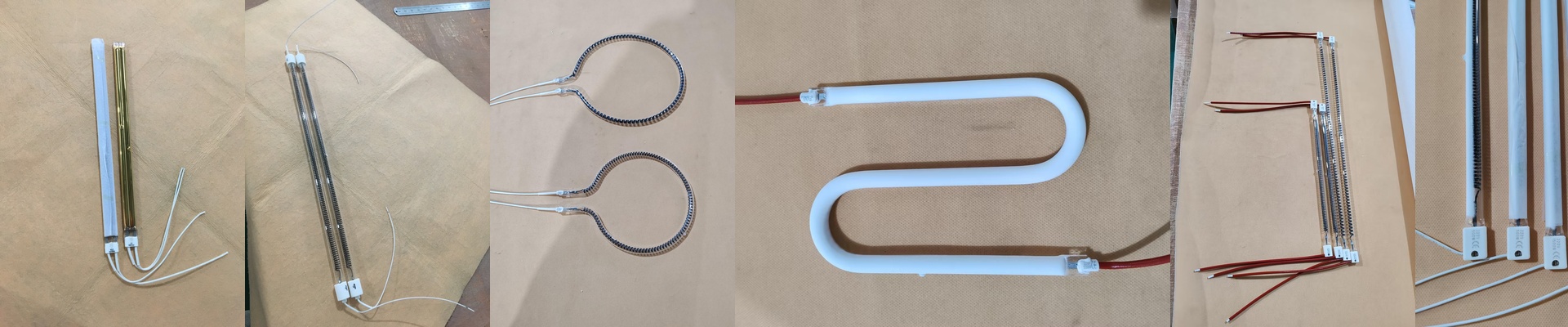
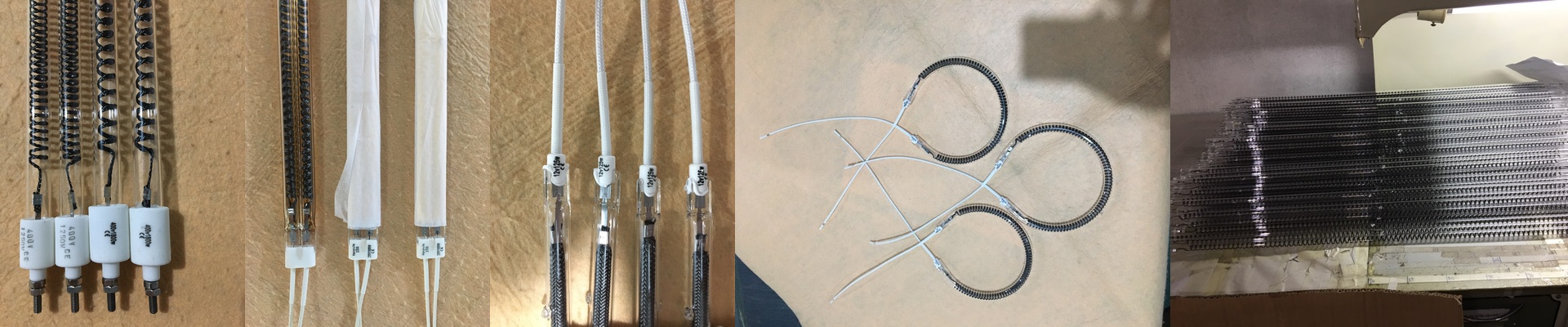
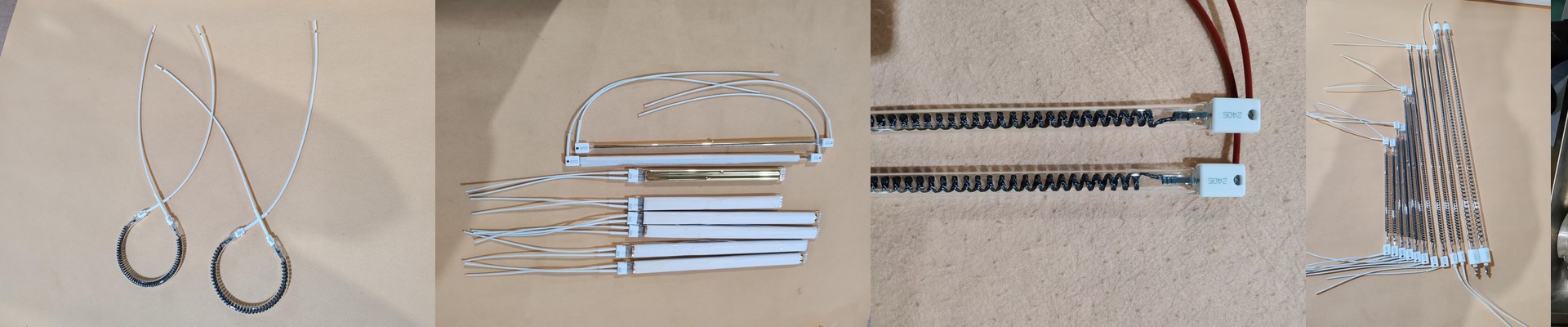

Why We Built the Pear-Shaped Carbon Fiber Heater
Most heaters are just tubes. They blast heat everywhere, which is fine if you’re heating a whole room, but it’s a nightmare when you’re working in a tight machine housing. You end up wasting energy and heating up parts of the machine that should stay cool. That’s why we went with a pear shape. By changing the geometry, we can actually push the heat exactly where it needs to go. It focuses the energy on your target and stops the “heat bleed” that usually plagues these setups.
The Guts: Carbon Fiber and Quartz
Inside the glass, we use carbon fiber filaments. If you’ve dealt with tungsten, you know it can be temperamental and burn out. Carbon fiber is a different beast. It handles much higher temperatures and, more importantly, it’s fast. We’re talking about hitting your target temp in a matter of seconds. The shape does some heavy lifting here, too. The fat end of the “pear” is where the real heat happens. The skinny neck keeps that heat from traveling backward toward your electrical connections. You get a concentrated hot spot right where the action is.
A Few Things to Watch Out For
Here is the tricky part: wiring. Carbon fiber has a quirk called a negative temperature coefficient. In plain English? The resistance drops as the element gets hot. This means you’ll see a surge of current right at the start. If your controllers aren’t set up to handle that initial hit, you’re going to trip breakers or, worse, fry your filaments. Also, let’s talk about the quartz envelope. It keeps the carbon from oxidizing, but it’s glass. It’s brittle. If your shop floor is a high-vibration zone or things tend to get bumped around,**put a guard over it.**If that glass cracks, the carbon hits the air, oxidizes, and the whole thing is dead instantly.
Putting Them to Work
These are perfect for things like PET blowing, shrink wrapping, or localized curing. If you’ve got an old machine running those ancient halogen bulbs, these are a great swap. You’ll likely notice your power draw dropping, but your workpiece stays just as hot. Just one tip: check your brackets. If the heater is tilted even a little, your heat spot shifts. And if the spot shifts, your curing becomes uneven. Get the alignment right, and you’re golden.