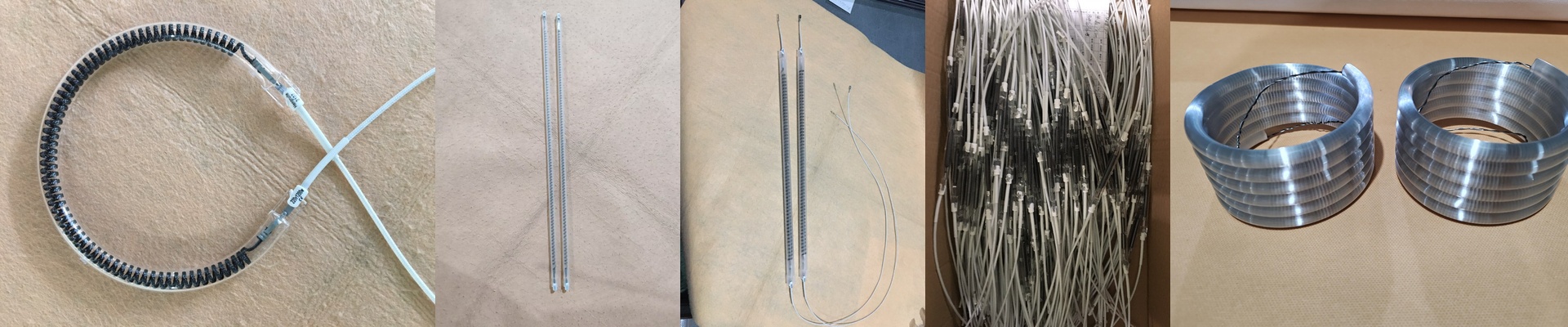

Getting Your Heat Right on Anatol Presses
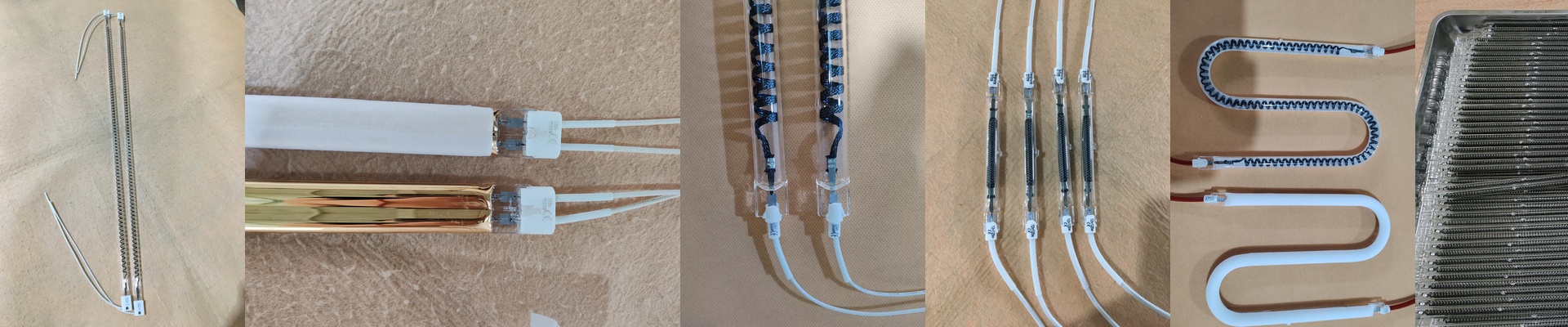
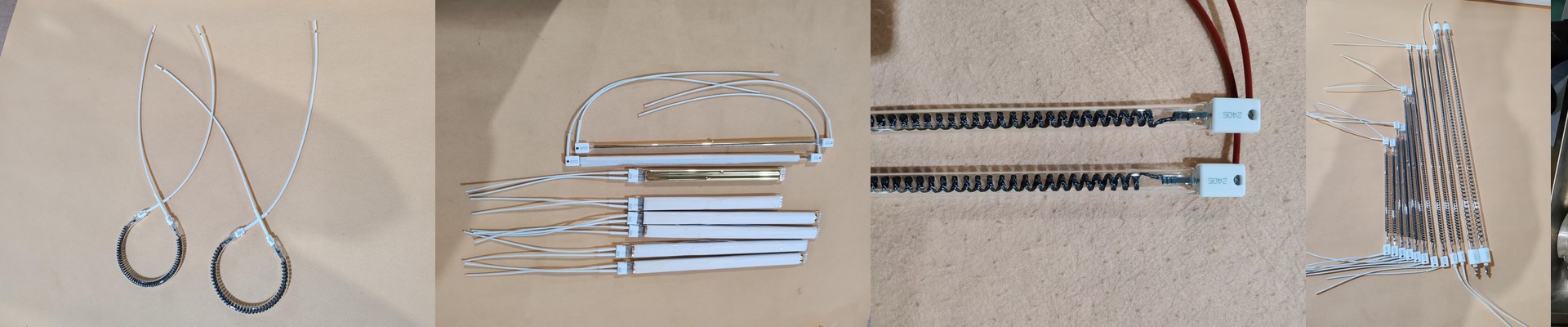
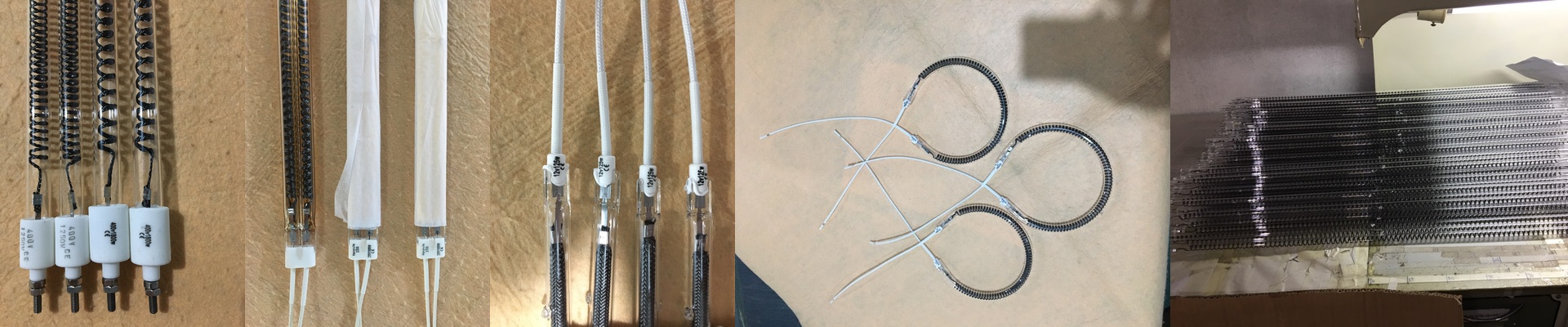
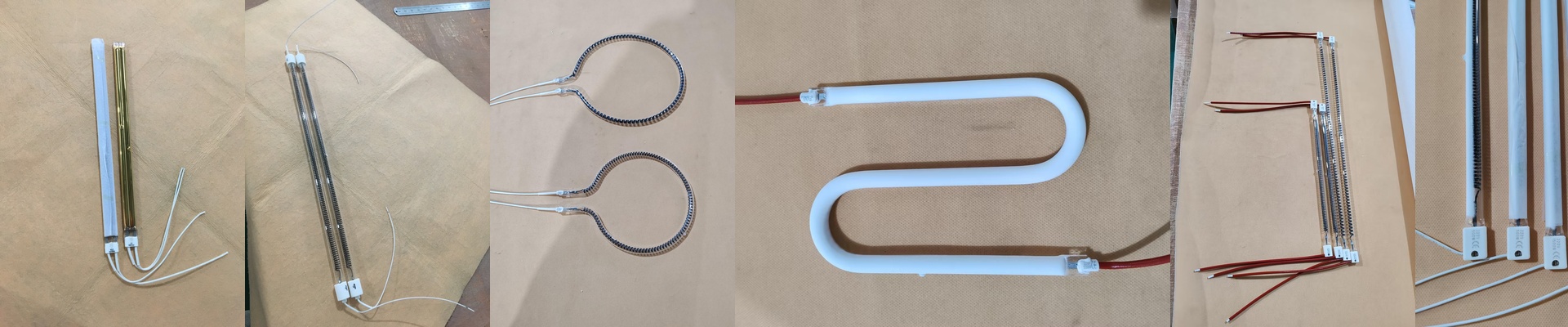
When you’re swapping out those original Heidelberger or Anatol IR lamps for something more affordable, you’re not just looking for a tube that fits in the hole. You need something that actually works. If the wattage or spectral output is off, you’re headed for trouble. You’ll either end up with ink that isn’t dry or, worse, a scorched substrate that ruins the whole job. The secret is in the match. To get that same heat density you’re used to with OEM units, we obsess over the filament load and the quartz grade. It sounds technical, but here’s the real-world result: if a lamp is the right length but the wattage is too low, you’ll get wet spots in your print run. We build these to hit the exact voltage and power curves of the originals. If you’re running a 230V system, the resistance has to be spot on. Even a tiny slip-up means your heaters won’t hit the right temperature fast enough, and your production slows down. Let’s talk about the glass. We use high-purity quartz. Why? Because cheap glass warps when things get hot. For Anatol machines, the wavelength has to be tuned to how the ink absorbs heat. Shortwave IR digs deep into the material, while medium-wave just hits the surface. We also offer coated options that bounce the heat back down toward your work. It keeps the lamp housing from getting dangerously hot. Putting them in. The good news is the installation is easy. We use standard connectors, so you can just wire them up without having to mess around with your machine’s harness. The footprint is identical. It just fits. But a quick heads-up: don’t try to “overclock” a domestic tube by pushing higher wattage through old circuitry. You’ll just burn the lamp out faster. Also, take a look at your PID controllers. If they’re tuned strictly for OEM resistance, a slight difference in a domestic tube might trip an over-current alarm. While you’re at it, blow the dust out of your cooling fans. You’ll want them running perfectly to handle all that concentrated heat.