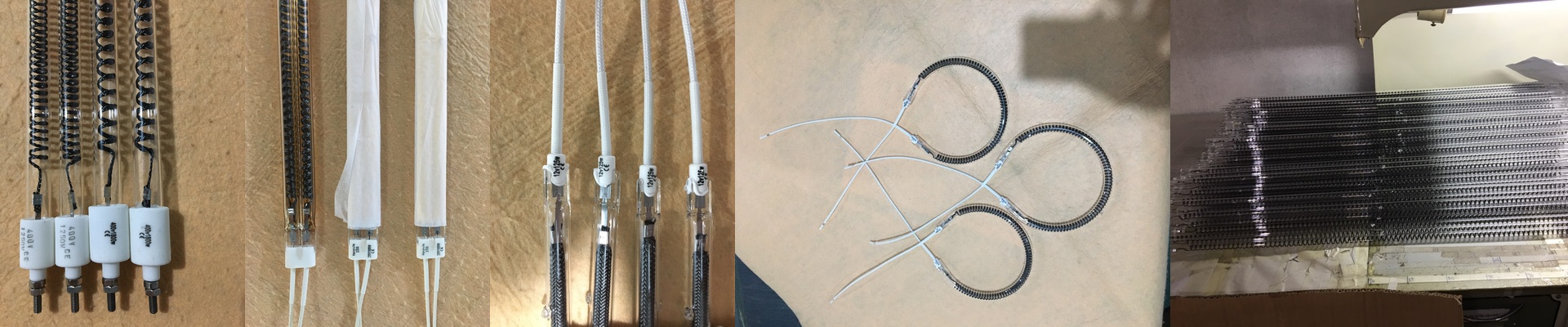
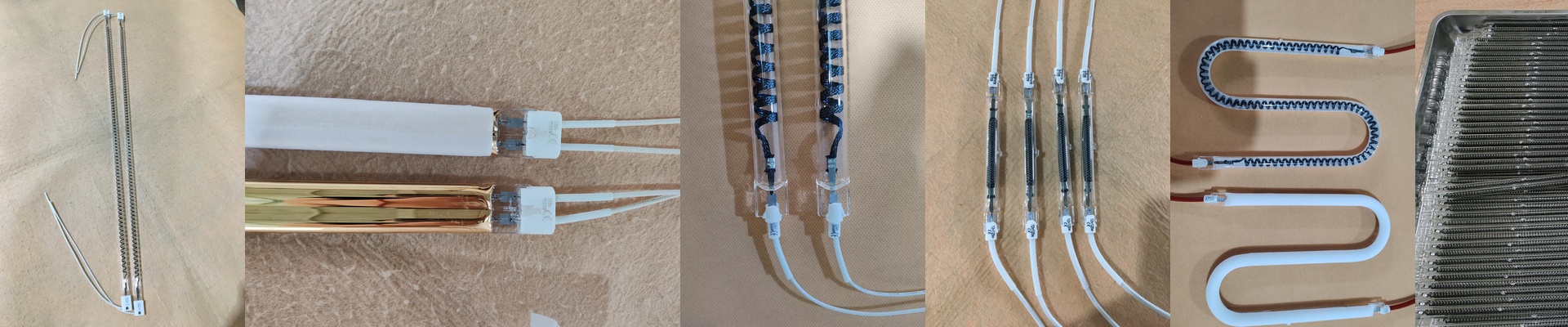
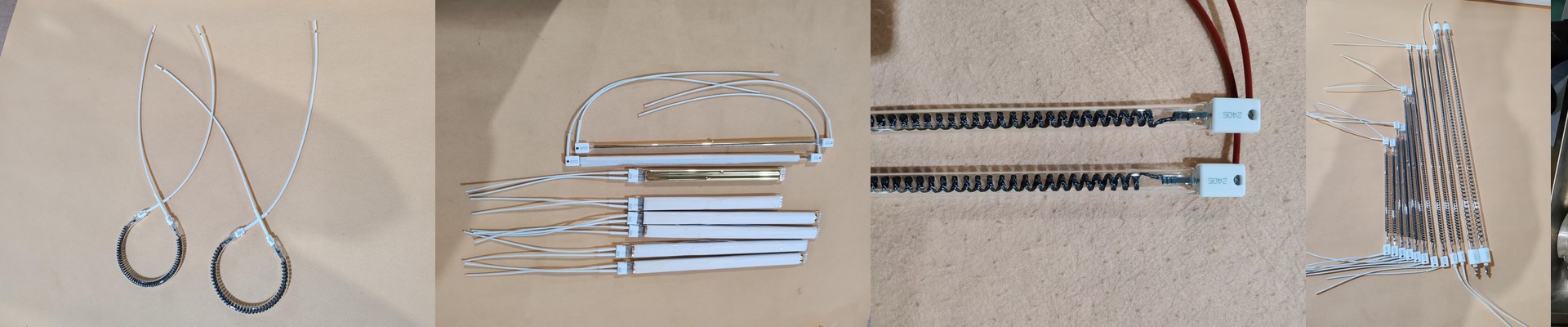
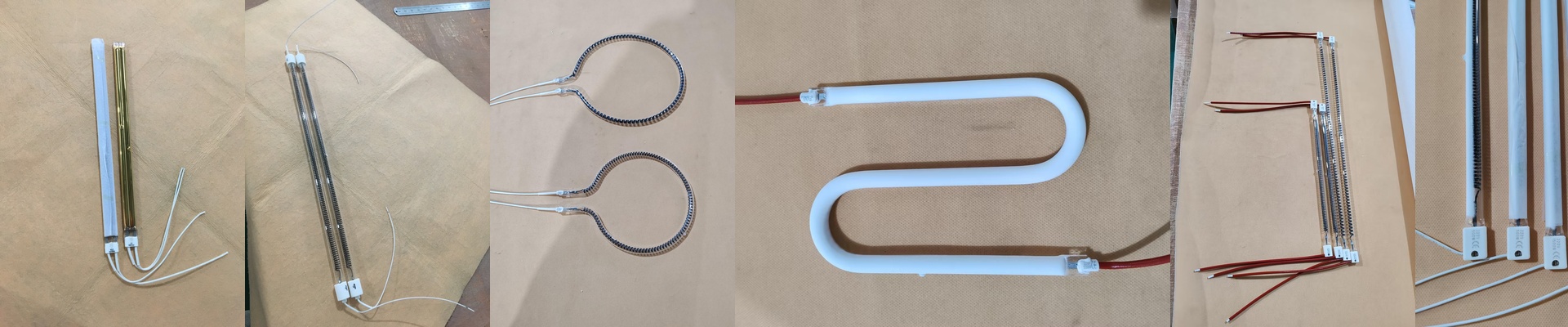
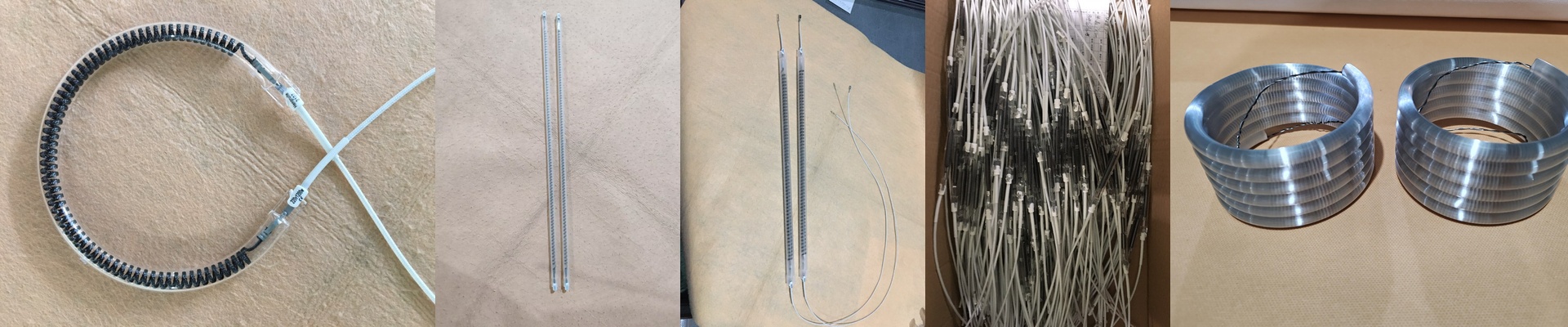
Let’s Talk About Carbon Fiber Quartz Heating Tubes
If you’re still using old-school tungsten filaments, you’re basically working with outdated tech. We’ve moved toward carbon fiber elements wrapped in high-purity quartz glass. Why? Because when you need heat—and you need it now—this is the way to go.
The Heat Factor
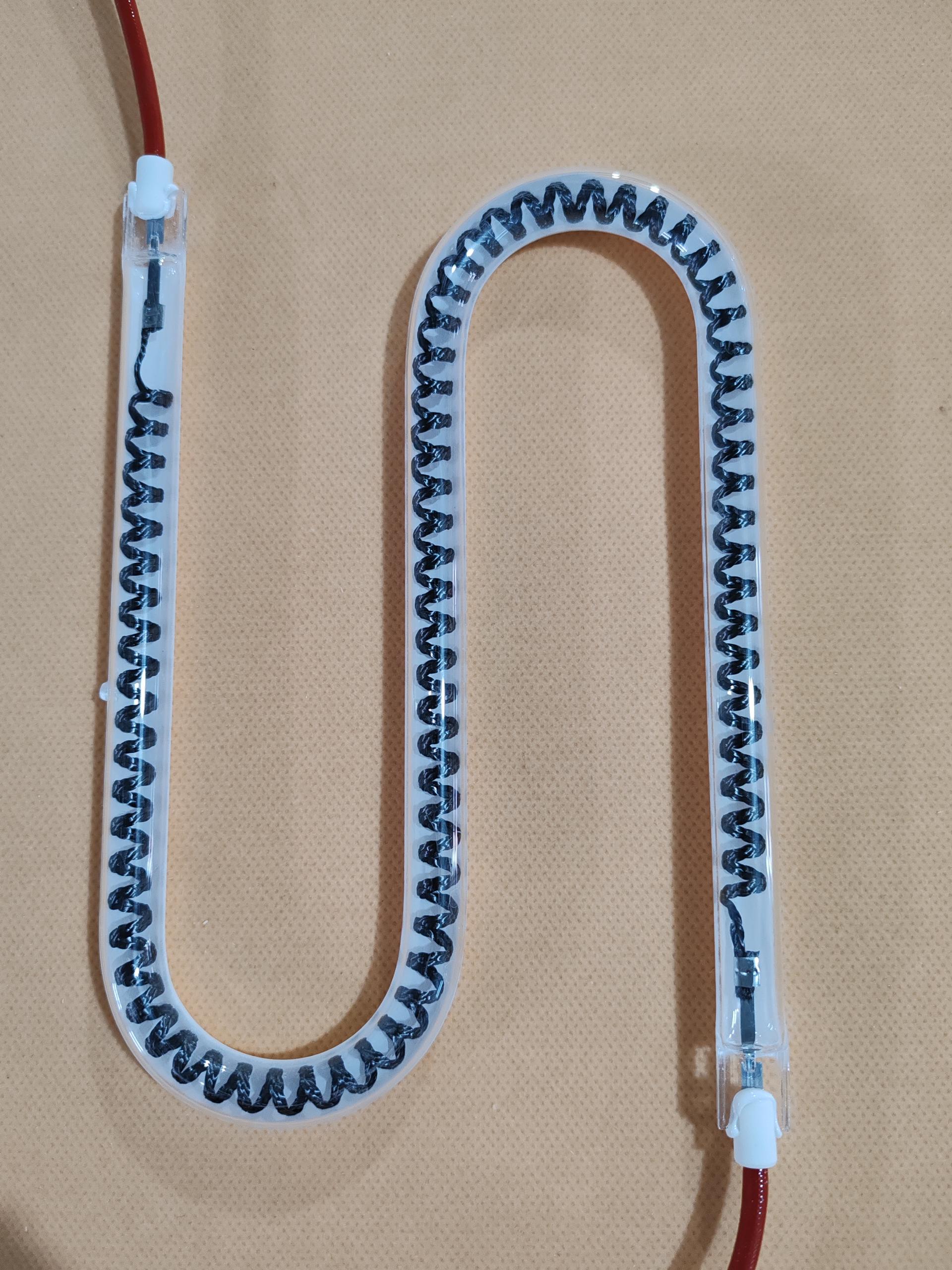
Inside the tube, there’s a carbon fiber weave. It’s a lot tougher than metal. While metal filaments tend to snap when they go through constant heating and cooling cycles, carbon fiber just handles it. When you’re looking for high wattage, you’re really looking for a concentrated blast of heat. The quartz glass does the heavy lifting here; it keeps the element from oxidizing (basically rusting away) while letting that short-wave and medium-wave IR light fly straight through. One quick tip:**Get your voltage right.**Match it to your power supply exactly. If you don’t, you’ll either get a lukewarm heater or a burnt-out tube in record time.
The Build and the Fit
We stick with fused quartz because it doesn’t warp or freak out when things get scorching. Plus, because we use a carbon element, the heat spreads evenly across the whole tube. No more annoying hot spots like you get with coiled wire. For the plugs, we usually go with R7s or SK15 connectors. They’re pretty much the industry standard, so they should slide right into your existing setup. But here is the thing: if your machine vibrates a lot,**double-check those sockets.**A loose connection is a nightmare. It causes arcing, which leads to localized overheating, and before you know it, you’ve melted your housing.
Making It Work in Your Shop
You’ll see these all the time in PET blowing and plastic curing because they hit operating temperature in seconds. It’s incredibly fast. But there’s a catch. Because they pack so much heat into a small space, that quartz tube gets dangerously hot. You can’t just toss it in and hope for the best. You’ll need good cooling fans and some solid shielding to keep your sensors and wiring from frying. If your layout is too cramped, the heat will just soak into the rest of the machine and start degrading your other parts. And for heaven’s sake, use high-temp leads. Regular insulation will just melt off.