Getting Your Adelco Tunnel Ovens to Actually Hold Heat
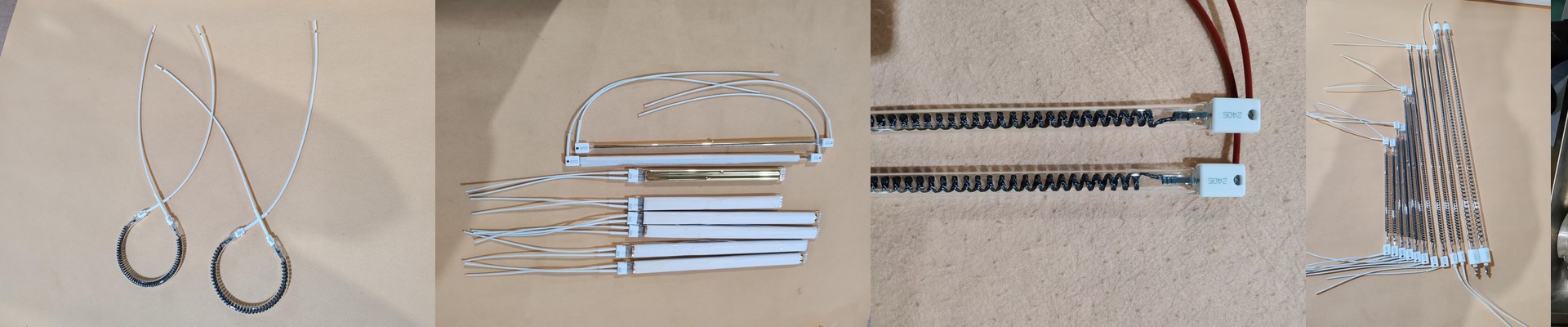
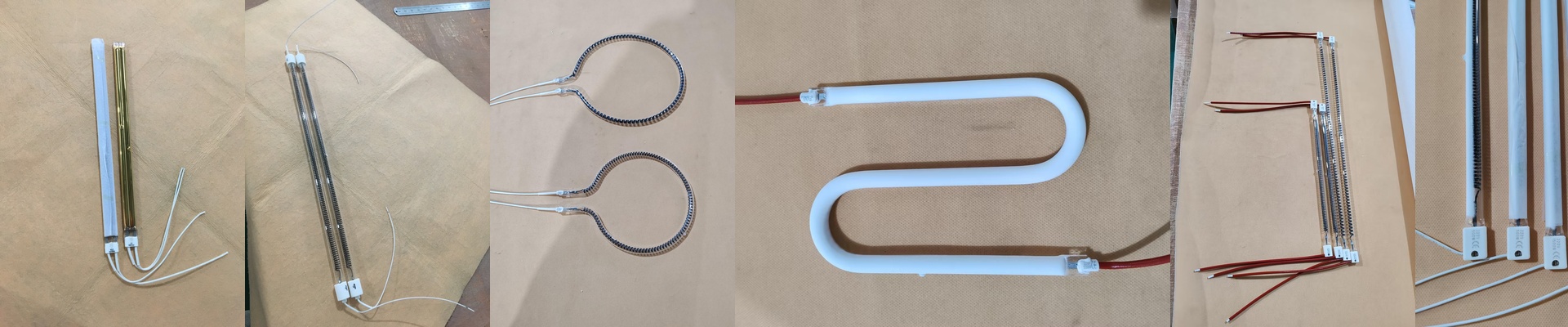
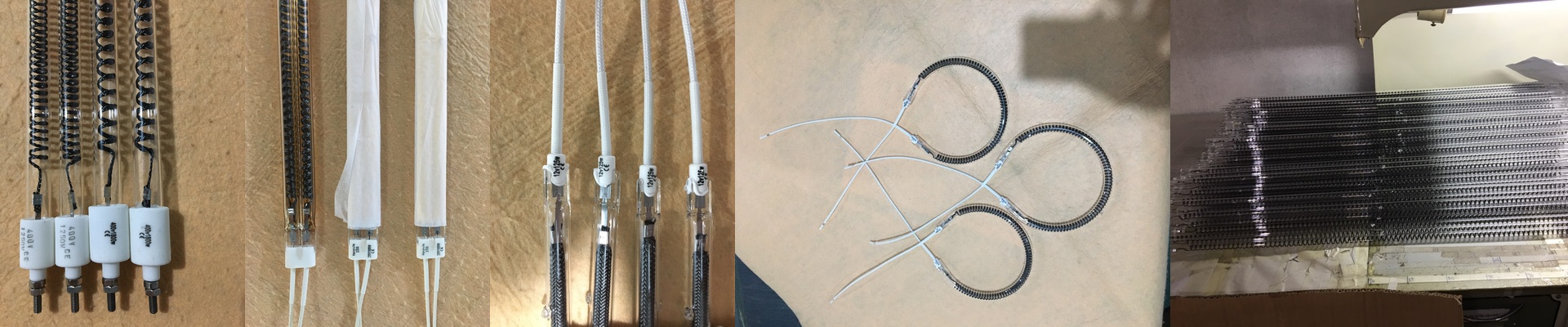
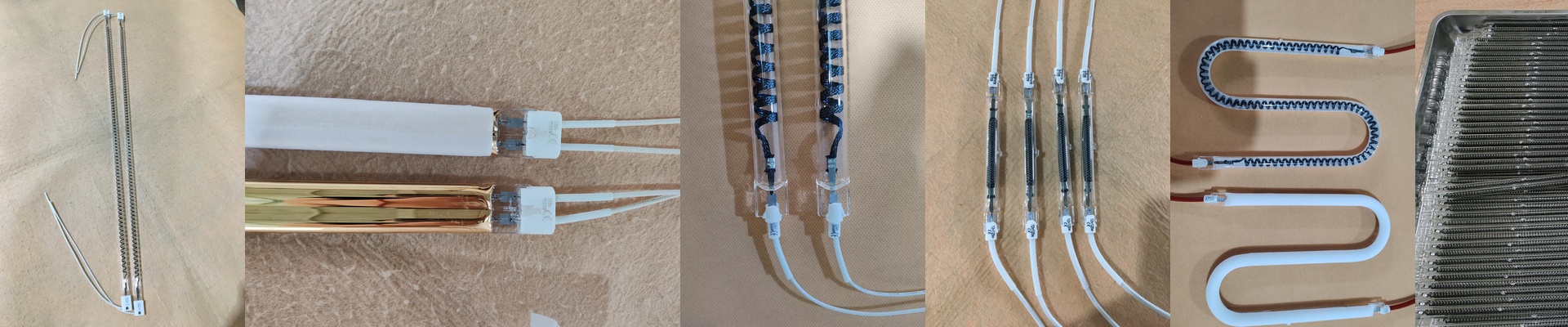
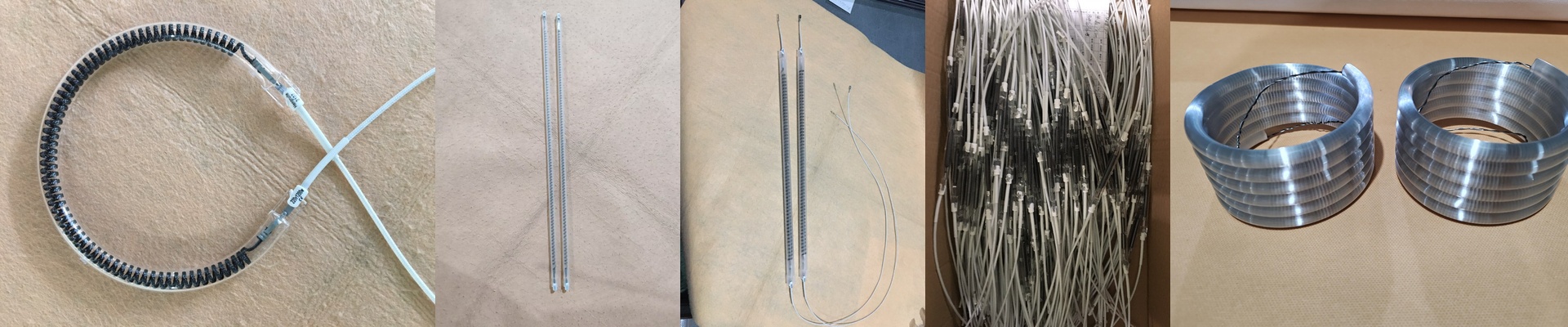
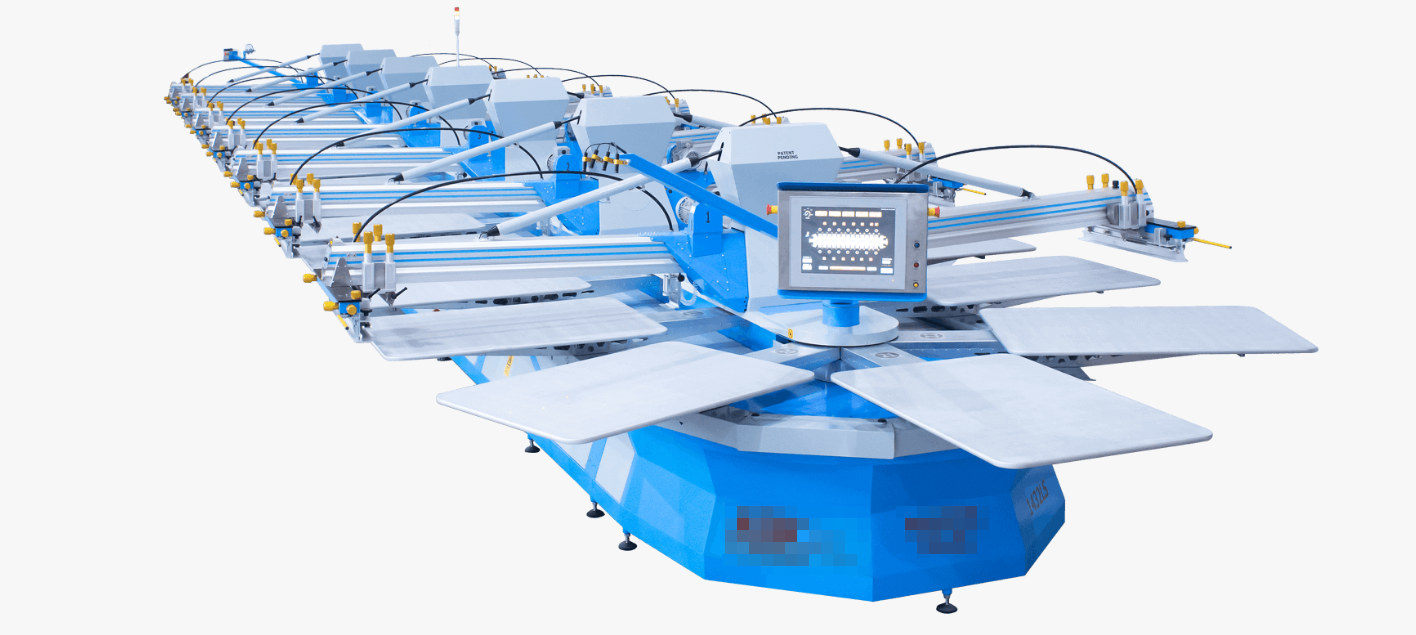
If you’ve spent any time managing press lines, you know the drill. Trying to keep a consistent temperature across a long tunnel oven is a total nightmare. Especially with Adelco automatic presses—there’s usually this awkward gap between the heating element and the part that just lets the heat bleed away. It’s frustrating. To stop that leak, we use high-density infrared. It’s built specifically for those long drying channels so you aren’t just heating the air around the part. The struggle with heat stability Usually, the ends of the line start to dip in temperature. It’s a common flaw. We tackle this with high-wattage shortwave IR lamps. The beauty of these is that they hit the target almost instantly. Because the energy is so concentrated, your parts hit that flash-off temperature exactly when they need to. And the best part? You don’t have to slow down your conveyor belt just to make sure the parts are dry. But you can’t just crank the power. If you shove too many kilowatts into a small space, you’ll fry your lamps or melt your oven housing. We spend a lot of time calibrating the voltage and wattage to fit the Adelco frame you already have. It’s a simple drop-in. No tripped breakers, no electrical fires. Built to take a beating We use quartz-glass envelopes with a special coating. This isn’t just for show—it shifts the emission spectrum. Instead of the heat bouncing off the oven walls, it’s forced straight into the part. Now, let’s talk about where things usually go wrong: the connections. In a 24/7 shop, the constant heating and cooling (expansion and contraction) just shreds standard terminals. We use reinforced ones because they can actually handle the stress. We also use precision-fit mounts. If a tube sags even a little bit, you get these annoying “hot spots” that ruin the finish on your parts. We don’t let that happen. One thing to watch out for Here’s the catch. High-output IR lamps are fast, but they put off a massive amount of ambient heat. If your cooling blowers are weak, your reflectors will warp. Once that happens, your heating uniformity goes right out the window. Before you wire up a high-wattage array, do yourself a favor and double-check your ventilation. It’ll save you a lot of grief later.