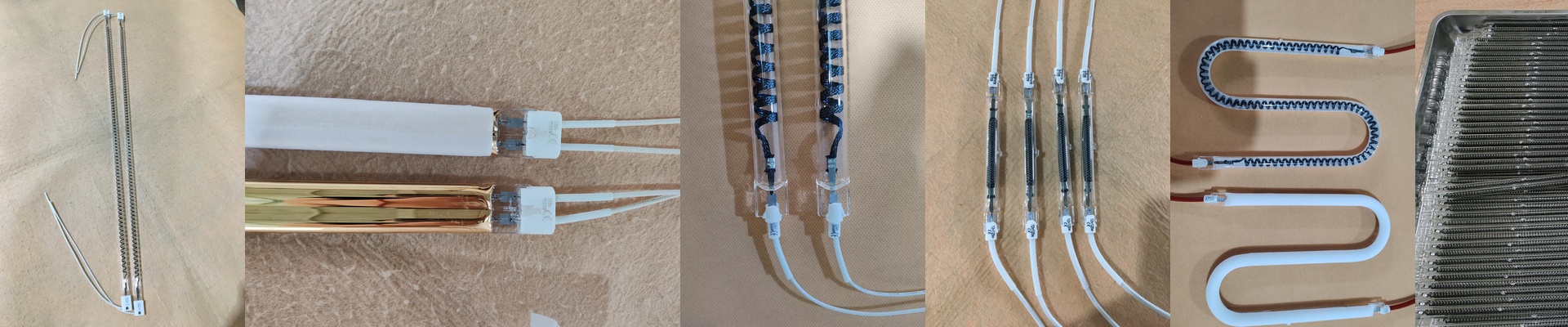
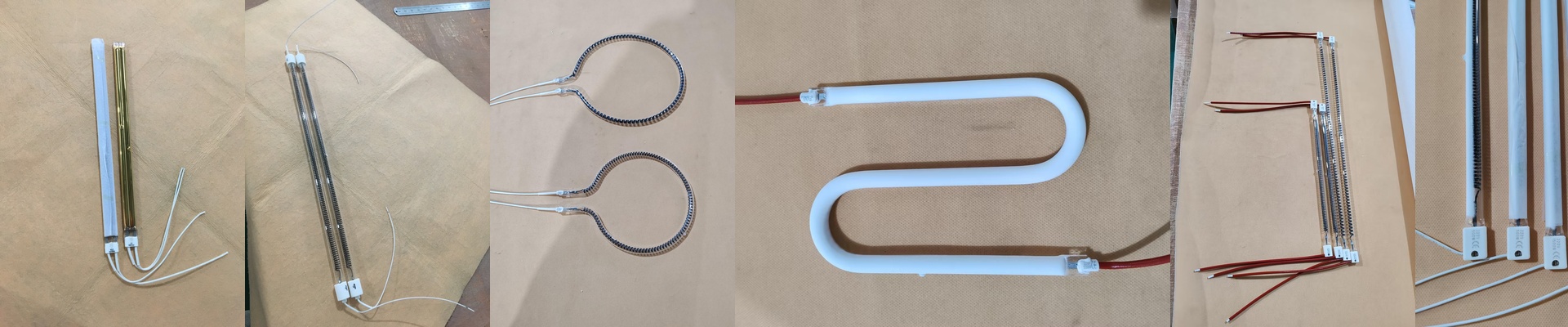
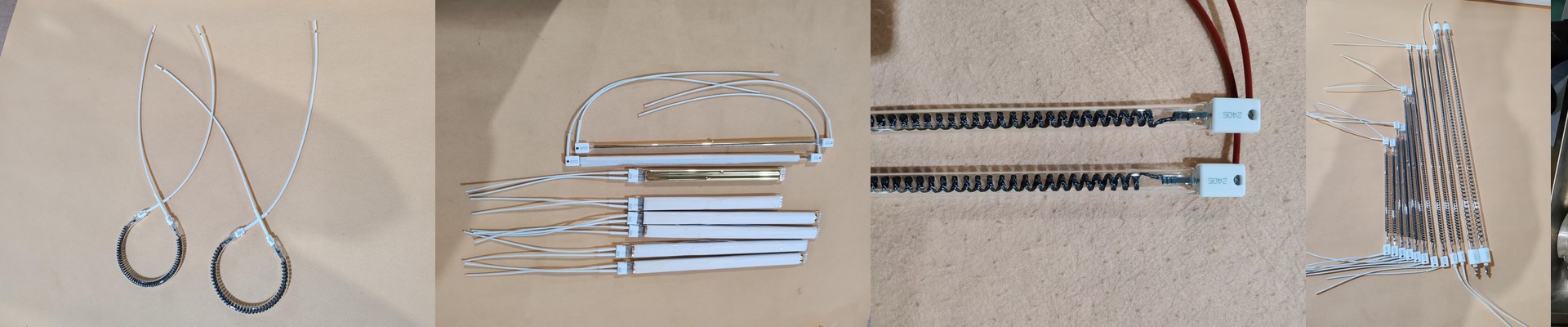
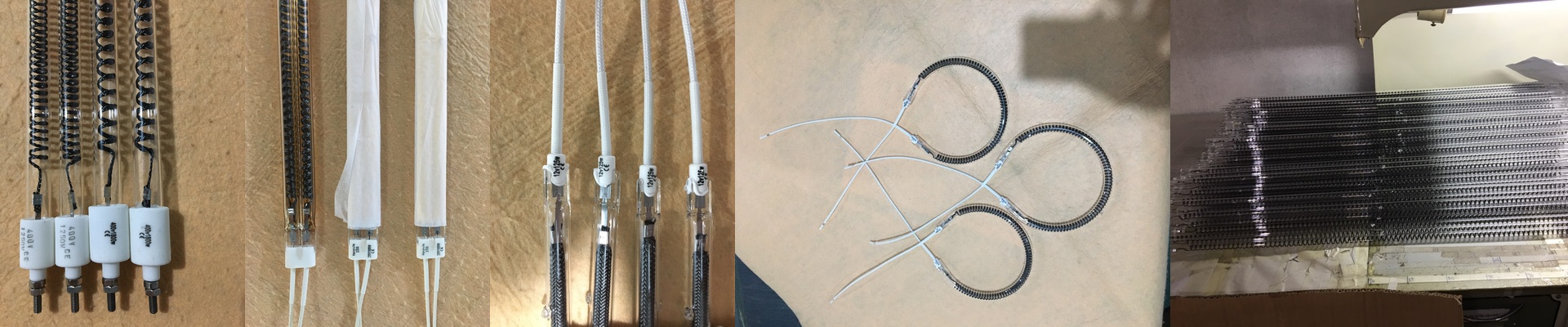
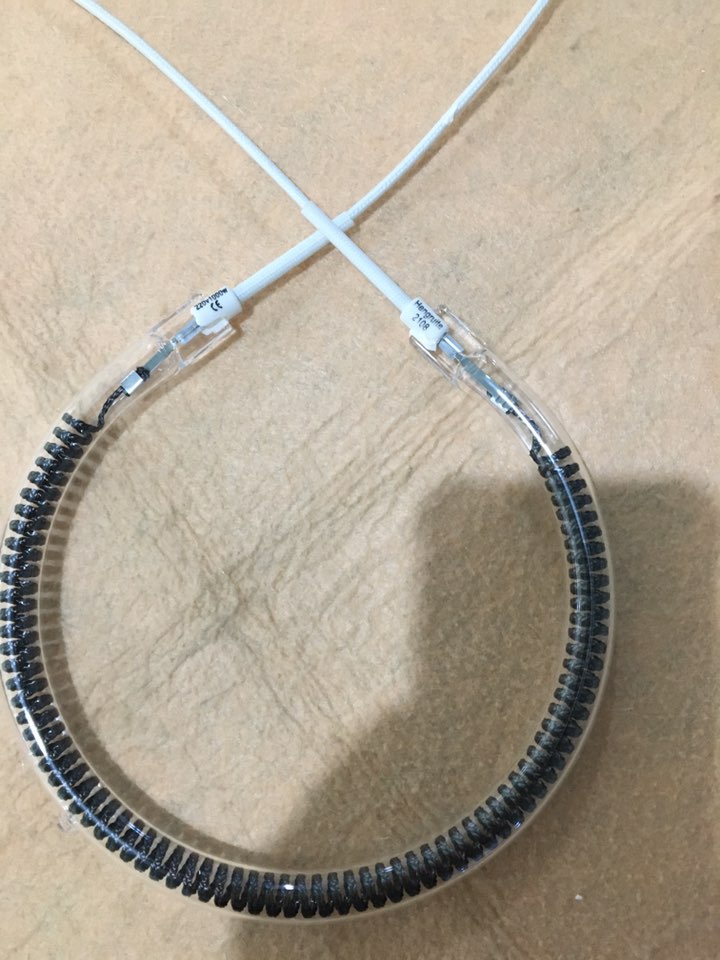
Let’s talk about a heater that’s built for the moments when you absolutely can’t afford to wait. We designed these carbon fiber quartz halogen heaters for industrial work that demands instant heat and serious power. The whole point is to deliver a concentrated blast of infrared energy right when you need it, without the lag of a big, clunky system trying to get up to speed. Here’s the power, straight up. These run at 400V and pack 2500W of power into a 300mm frame. That’s a serious punch in a small package. It’s the kind of power you need for demanding cycles, but it’s compact enough to fit into the tight spaces of your machinery. That 400V rating? It’s a smart move. It lowers the current, which means you can use smaller wiring and cut down on energy loss. And the 300mm length gives you predictable heat across a specific zone, so you can match the heat pattern to the part you’re working on. What’s inside makes all the difference. The heart of it is a carbon fiber element inside a quartz tube, filled with halogen. The quartz tube handles the extreme heat and keeps everything electrically safe. The halogen part is a neat trick. It works to keep the output steady over the heater’s life by cycling evaporated material back onto the filament. This fights off blackening and keeps the performance consistent. And the carbon fiber construction is tough as nails against thermal shock—it can handle rapid heating and cooling cycles without cracking. Plus, they come with R7s end caps, so installation is as simple as a straight drop-in replacement in compatible fixtures. Where this thing shines. You’ll want these on your PET blowing, thermoforming, and packaging sealing lines. They’re perfect when you need to get hot fast and keep the temperature steady, cycle after cycle. Because it’s so compact, you can upgrade an existing machine without a major overhaul. And that fast response time? It helps you shorten cycle times and keep things moving. Now, one thing to keep in mind. That high wattage density means you need to make sure there’s proper airflow and thermal management around it. It’ll keep the components at the right temperature and protect the electronics nearby.