Introduction
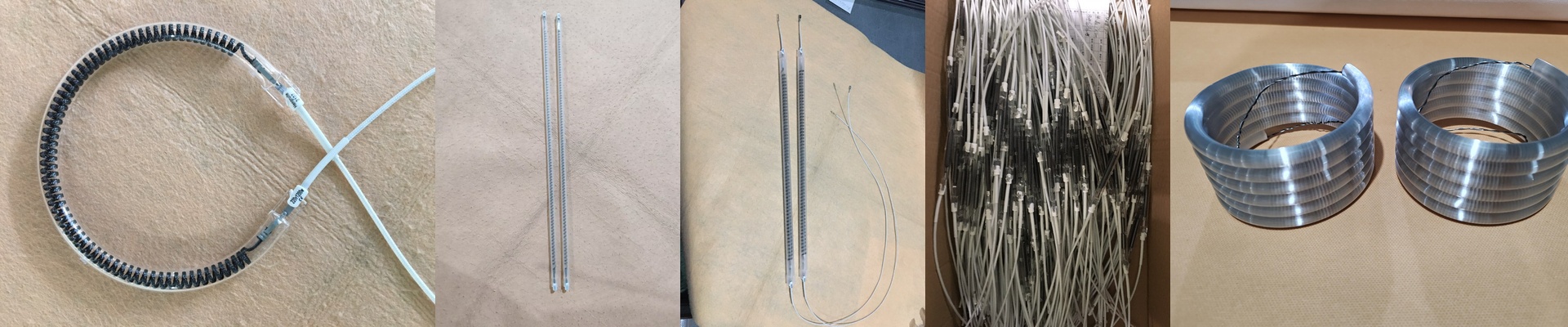
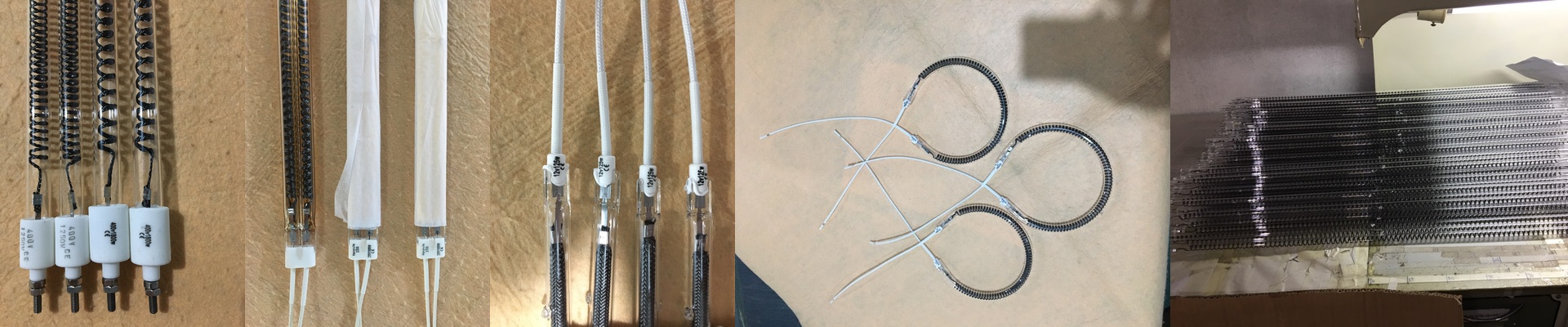
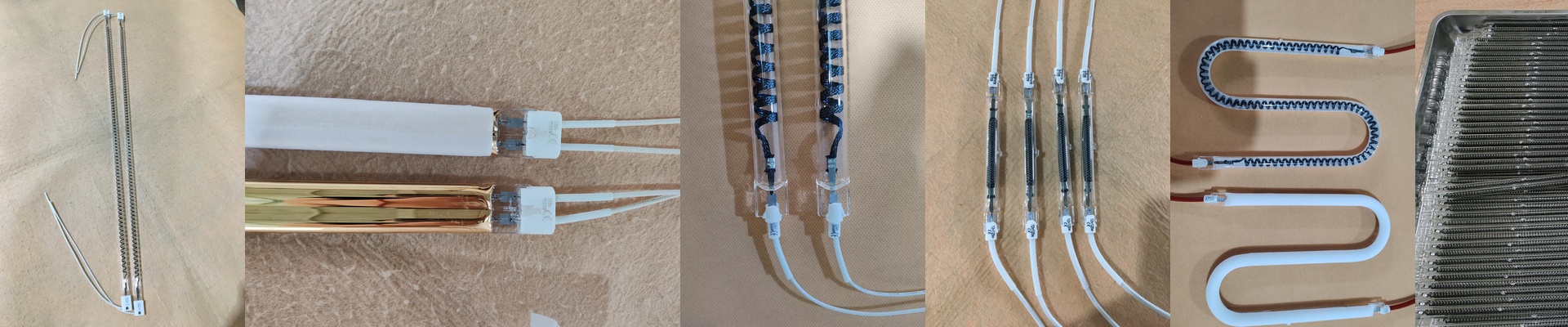
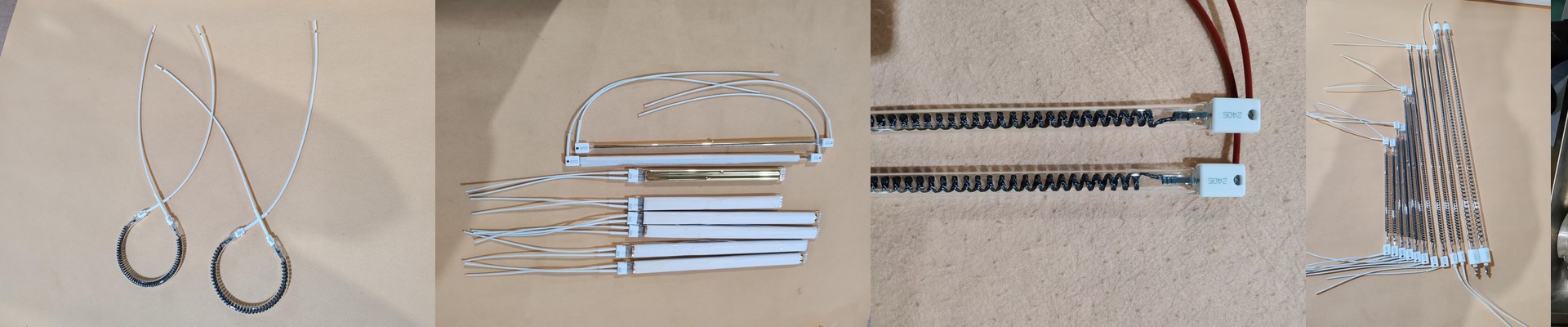
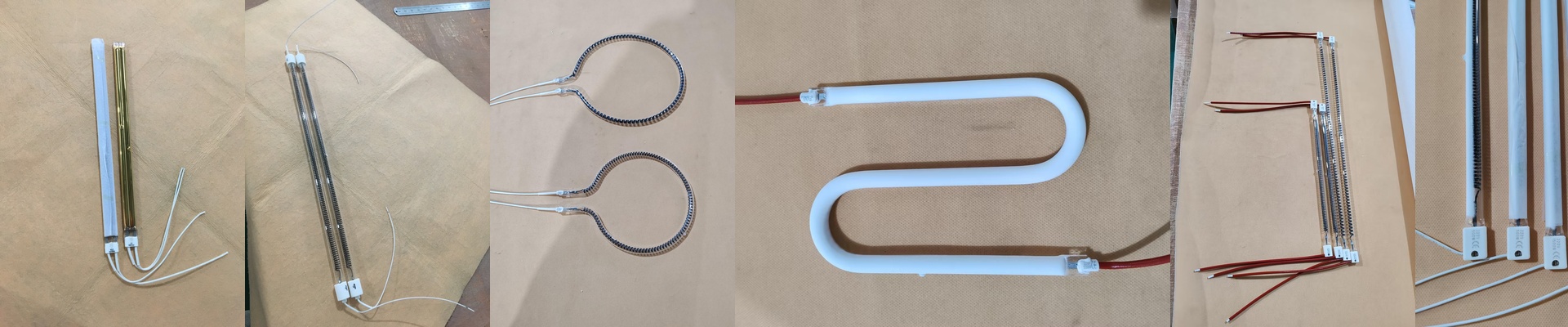
We engineer the Carbon Fiber Infrared Heating Tube as a direct-replacement heat source for industrial process heating. This unit is built around a 600mm quartz envelope and delivers 1000W of power on a standard 220V supply. It targets applications where you need fast thermal response, stable output, and a compact footprint that fits existing machine bays.
Technical Deep-Dive: Power, Voltage, and Dimensions
The 1000W rating on a 220V supply gives you a predictable current draw that is easy to integrate into most control panels without uprating cables and contactors. The 600mm length is not arbitrary. It provides enough radiating surface to create a uniform heat profile along the target zone, while keeping the overall footprint small enough for tight enclosures. The wattage density is sized for mid-range heating loads—think preheating molds, drying coatings, or maintaining process temperatures on packaging lines. If you try to push higher wattage into the same envelope, you run into thermal stress limits on the quartz and the internal element. If you under-power, you get sluggish ramp-up and poor temperature control. This 1000W point is the practical balance for a 600mm tube on 220V. The trade-off is straightforward: this tube delivers strong heat density in a short length, which means the surrounding hardware—reflectors, fixtures, and nearby components—must handle the radiated energy. Plan your clearances and cooling airflow accordingly.
Material and Design: Why Carbon Fiber and Quartz
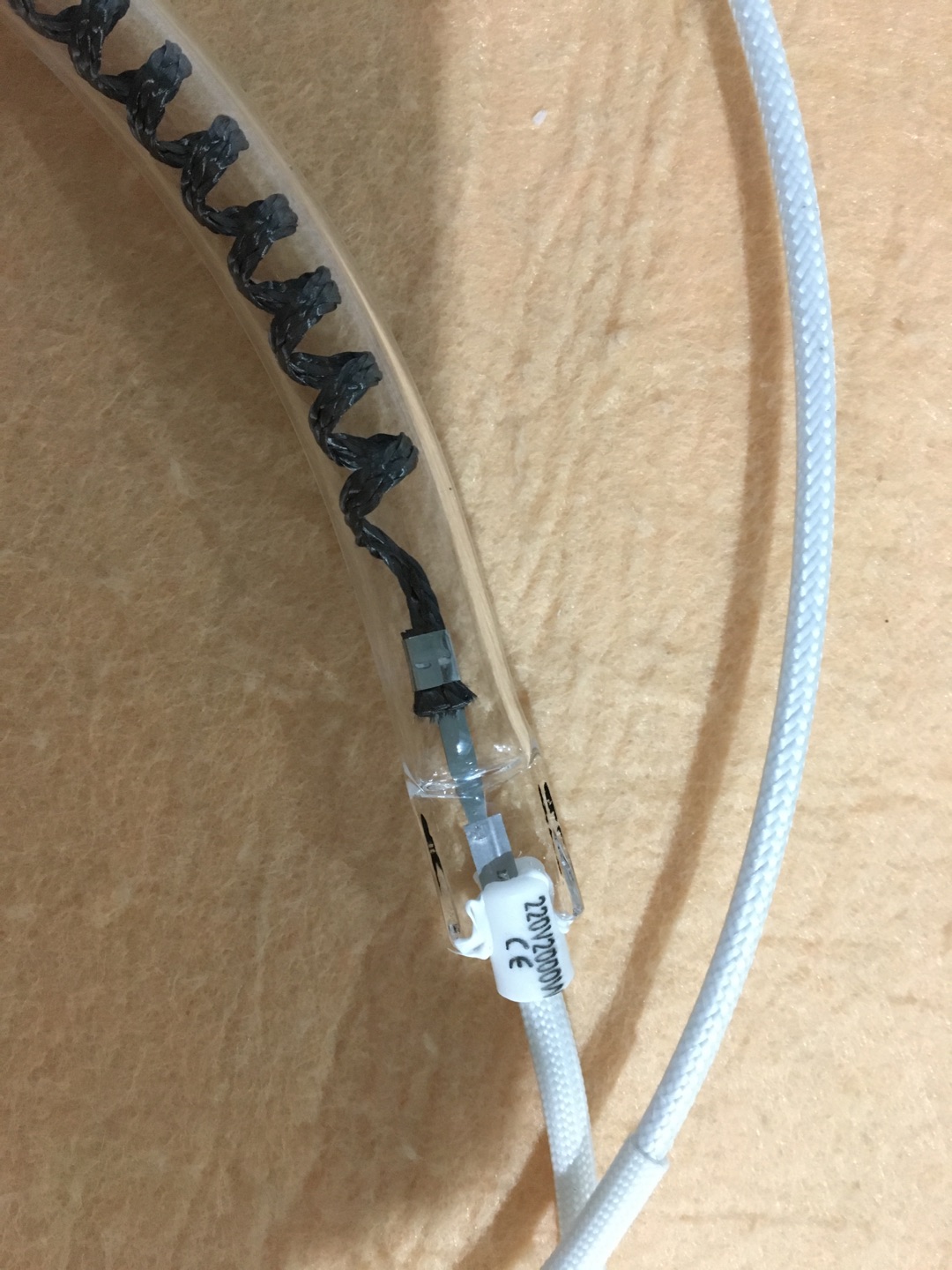
The core of this tube is a carbon fiber heating element inside a quartz envelope. Carbon fiber gives us fast response because the element mass is low and the electrical path is stable. You get rapid heat-up and consistent resistance over the life of the tube, which translates to repeatable process temperatures. Quartz is selected for its high thermal shock resistance and low coefficient of expansion. It stands up to rapid on/off cycles and high operating temperatures without cracking. The tube also runs clean—no open coils to oxidize and shed debris into your product or machine. Mounting and wiring are designed for industrial reality. The 220V termination is straightforward for standard connections, and the overall construction is built to take vibration and thermal cycling on the factory floor. This is a drop-in heat source that requires minimal rework to install.
Application and Benefits: What This Configuration Solves
This specific configuration is most useful when you need fast, localized heating with predictable power. In practice, it performs well in plastic processing for preheating tooling, in packaging for sealing and drying, and in coating lines where consistent surface temperature matters. The benefits are tangible. The fast response time reduces idle time during changeovers. The compact 600mm length lets you refit existing machines without major redesign. The 220V supply means you can wire it up without special high-voltage infrastructure. The carbon fiber element also holds up under frequent cycling, but it still has limits. Repeated mechanical shock and extreme temperature swings will shorten service life. Match the tube to the duty cycle—use proper thermal management, keep terminals tight, and avoid mechanical stress on the quartz envelope. When you spec it out correctly, you get reliable heat delivery with minimal downtime.