
Introduction
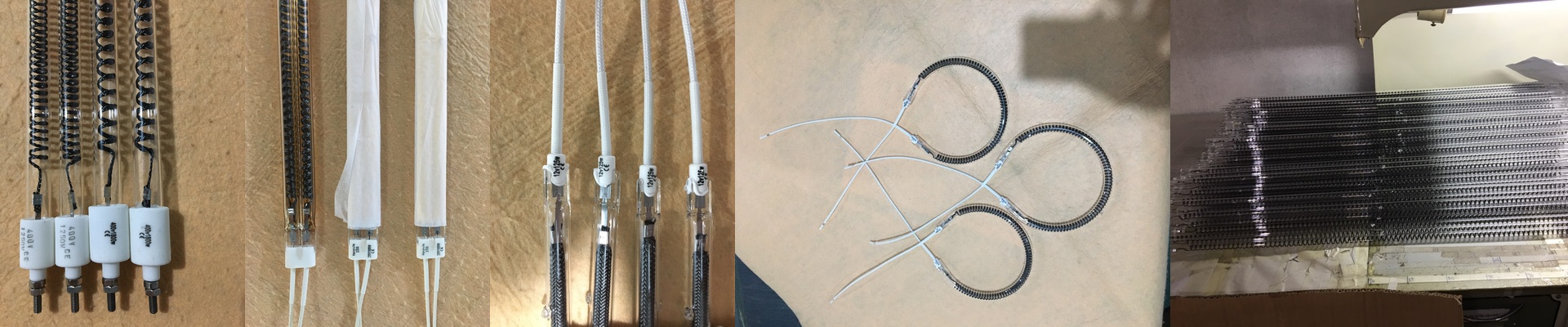
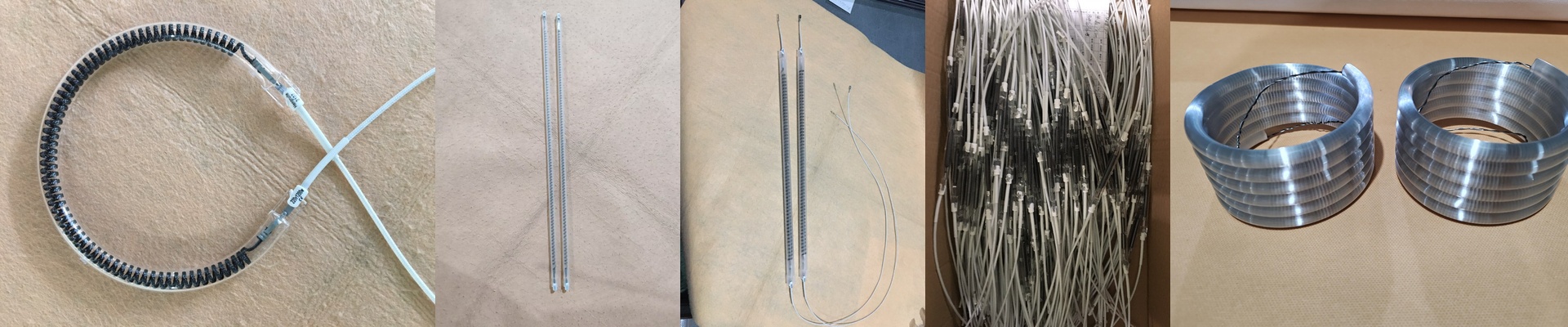
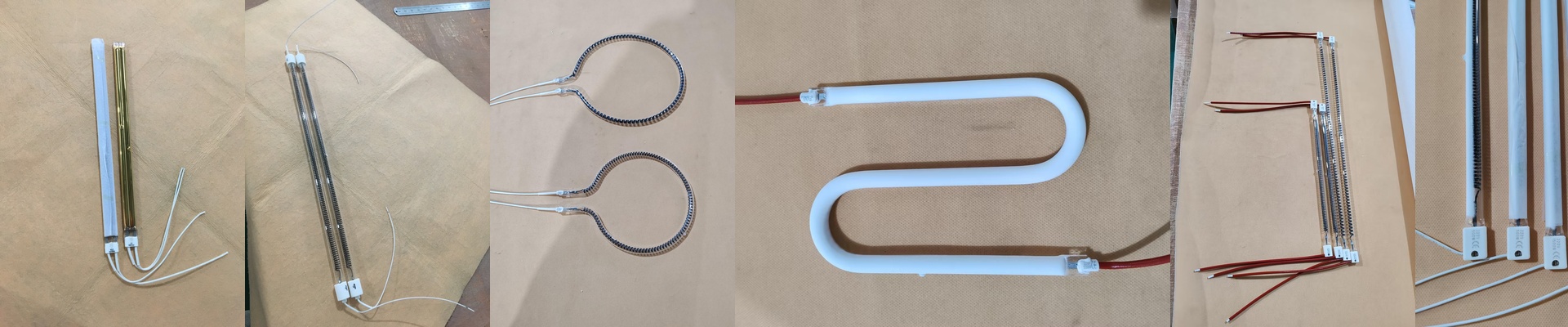
Picture this: you step into your sauna, and the heat isn’t just warm air. It’s a deep, penetrating warmth that wraps around you, hitting your muscles where they need it most. That’s the feeling we’re after. We built our infrared carbon heater panels to deliver exactly that—direct, radiant heat that feels therapeutic. At the heart of it all is a halogen-based carbon filament, sealed tight inside a quartz tube. It’s a smart design that blasts out high-intensity infrared without wasting energy heating the air. So you get that intense, body-deep warmth, while the air around you stays comfortably cooler. Just the way a modern infrared sauna should feel.
What Makes Them Tick
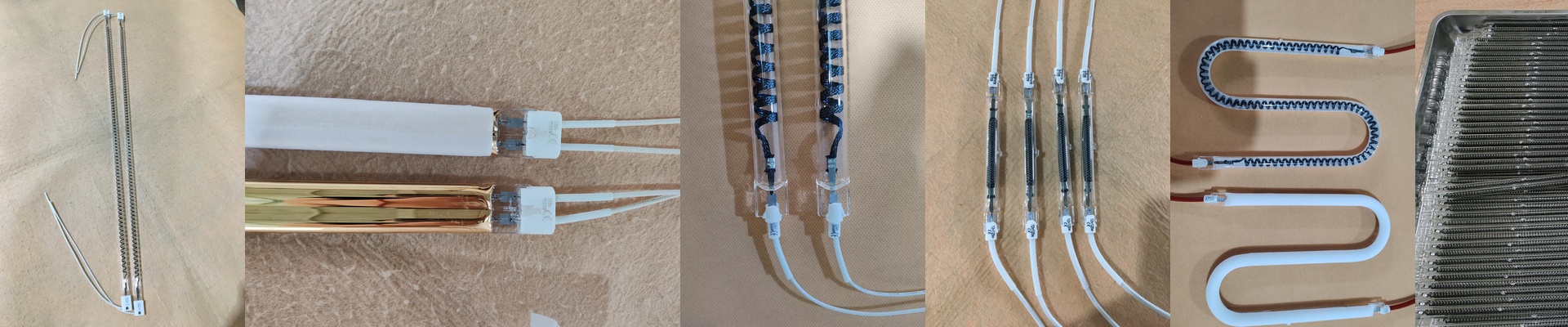
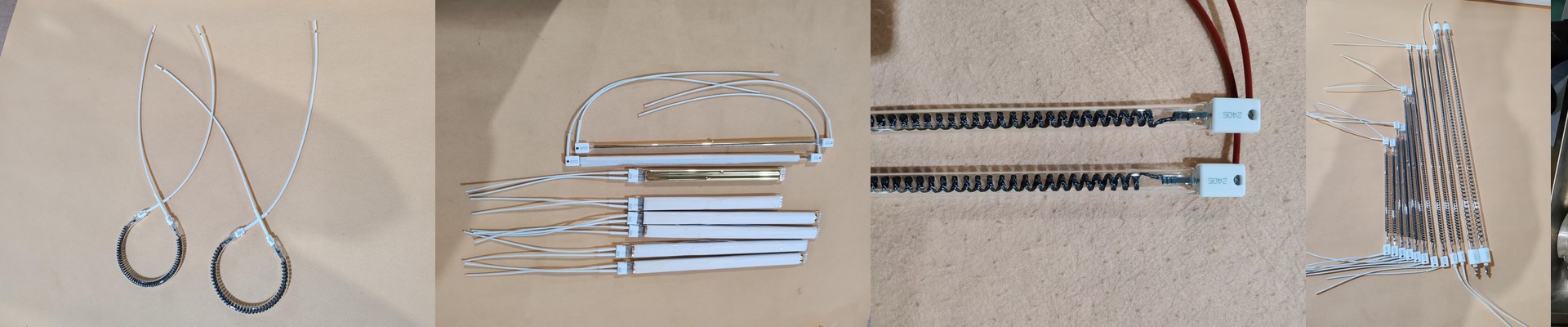
Let’s get into the guts of these things. They’re built to be workhorses, running on 400V to crank out up to 2500W of power. That high-voltage setup is clever—it means we can keep the current lower, so we don’t need bulky wiring. You can run long strings of panels without worrying about voltage drop. And they’re surprisingly compact. The tubes are typically just 300mm long, which means you can pack a lot of heating power into a small space, whether you’re mounting on a wall or ceiling. Now, that kind of concentrated power is fantastic, but it comes with a heads-up. The heat gets intense, fast. So the mounting frame and any nearby materials need to be rated to handle those high surface temperatures. It’s all part of the deal.
The Secret to Their Longevity
The halogen element is the real hero here. It works like a recycling system, constantly putting evaporated filament material back onto the hot zone. This keeps the tube’s output stable over time and stops it from burning out prematurely. You get consistent performance, year after year. The quartz tube itself is no slouch, either. It handles the shock of heating up quickly and stays perfectly clear, letting the infrared energy pass right through. More energy goes out as radiation, not wasted as heat absorbed by the tube. We pair this with an R7S connector. It gives you a solid, two-point contact that handles the tube’s expansion as it heats up, and it makes wiring the panels a breeze. And the outer coating? That’s all about safety and durability. It cuts down on glare and keeps the quartz from getting scratched up during handling.
How It All Comes Together in Your Sauna
When it comes to installing these in a sauna, they’re designed to be a simple, drop-in solution. The short tube length and standard R7S connector make it easy to lay out your arrays with consistent spacing. That means you get an even infrared field with no cold spots. Because each heater packs so much power, you end up needing fewer units. That can simplify your panel setup and cut down on installation time. Of course, with that power density, you need to manage the heat carefully. Give the heaters proper clearance, insulate well, and make sure there’s enough airflow so nearby components don’t overheat. But get the mounting and cooling right, and you’re rewarded with a sauna heater that fires up instantly, holds its temperature steady, and just keeps performing, reliably, every single time.