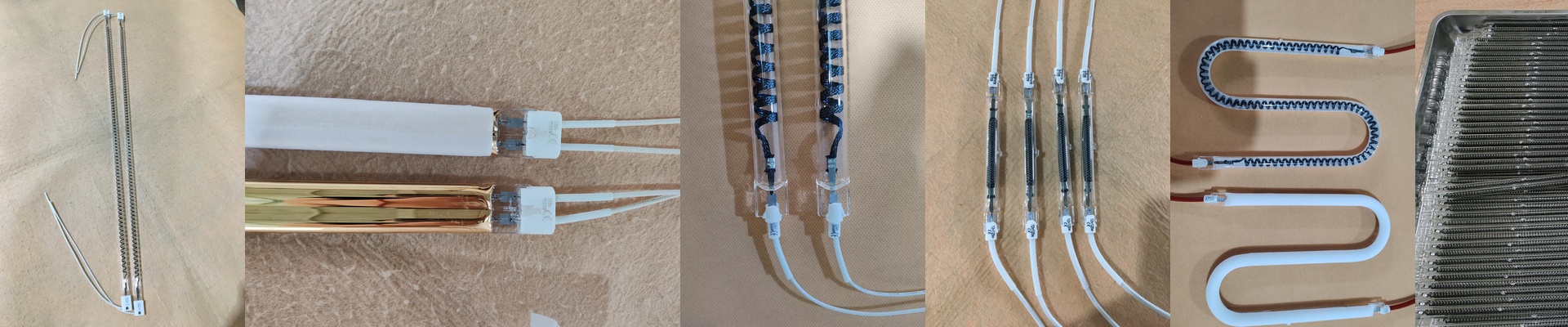

Let’s Talk Carbon Infrared Heaters
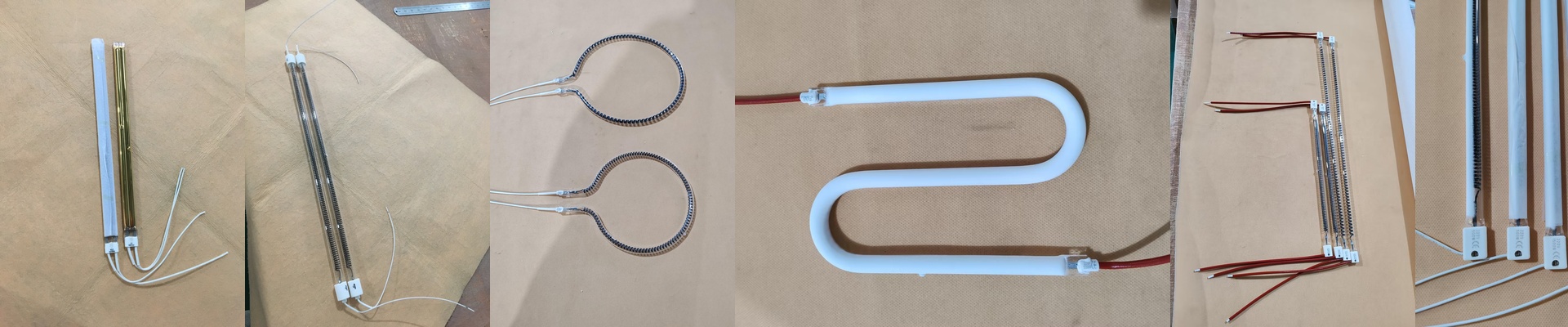
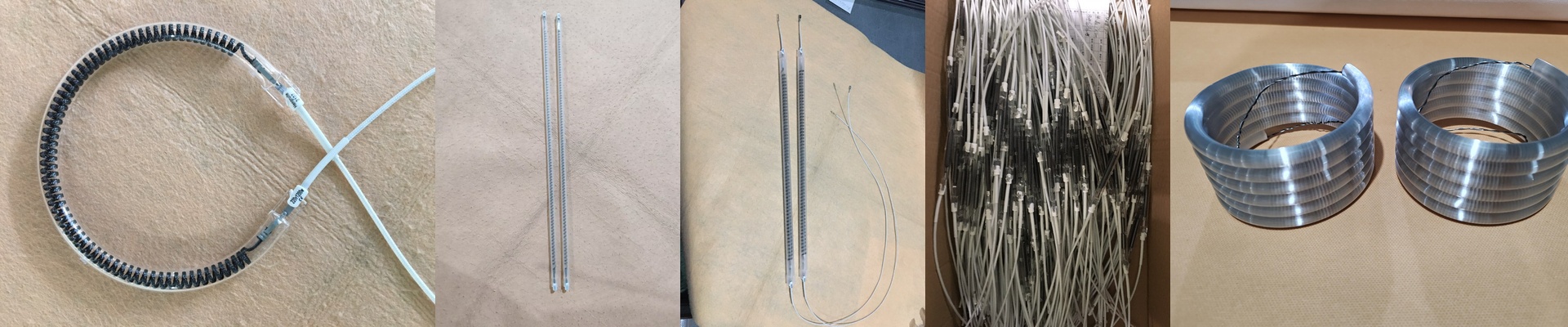
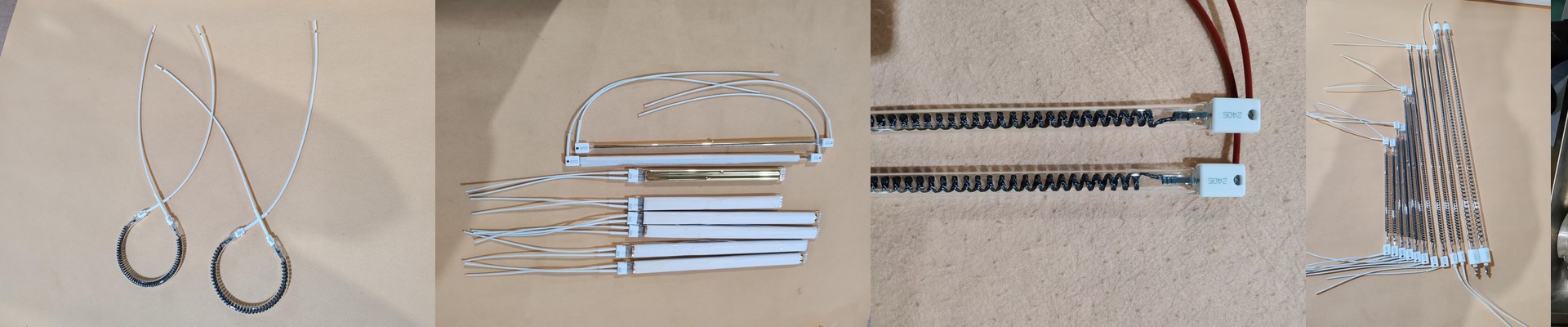
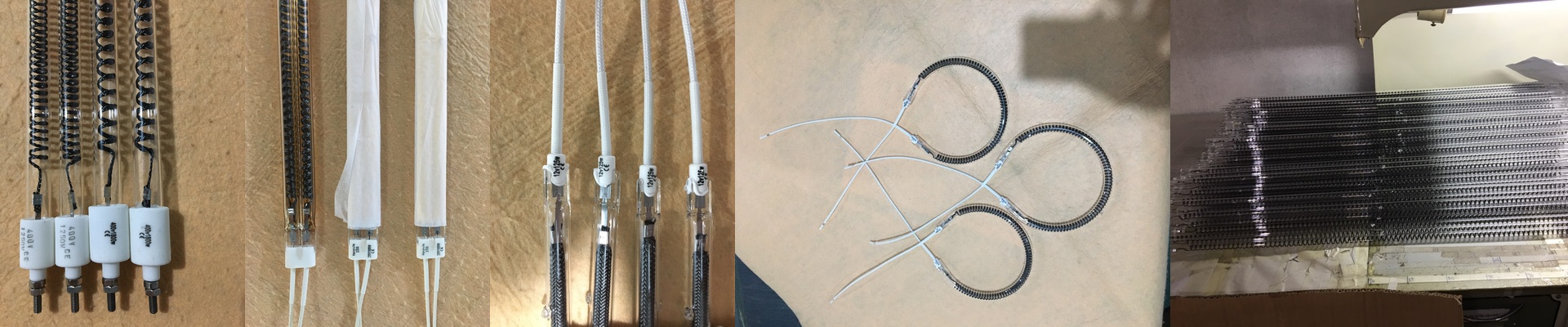
Here is the deal with carbon infrared heaters: they work by pushing current through a carbon-fiber element tucked inside a quartz tube. If you’ve used old-school metal coils, you know they take a minute to get going. Carbon is different. It ramps up almost instantly. Because the energy hits in the shortwave range, the heat doesn’t just sit on the surface—it actually sinks deep into your materials. It’s fast. Really fast. The Nitty-Gritty on Power and Voltage When we’re figuring out the wattage per centimeter, we’re basically deciding how hard we want the heat to hit. If you go for a high-wattage tube, you’re cranking up that heat flux. Now, if you run a higher voltage, you can keep the current draw low. That’s a win for your setup because you can use thinner wiring and you won’t lose as much power over those long industrial cable runs. Just a heads-up: if you try to cram maximum heat into a tiny tube, your housing and reflectors have to be tough. If they aren’t rated for that kind of heat, they’ll warp. And nobody wants to deal with a melted bracket. Build Quality and the Small Stuff We pair that carbon filament with a quartz envelope. Sometimes we coat the tube to tweak the heat spectrum or just to give the filament a bit more protection. For the connectors, we stick to the basics like R7s or SK15. We do this so you can just swap them out without a headache. These connectors are designed to breathe; they handle the glass expanding as it heats up without losing the electrical connection. If the fit is loose, you’ll get arcing. That’s a quick way to burn out your heater. Putting Them to Work These are perfect for things like PET blowing or curing lines. In those jobs, you can’t sit around waiting for a ceramic element to “soak” and warm up. You need the heat now, and the shortwave output delivers it the second you flip the switch. But keep this in mind: carbon filaments are a bit fragile. They don’t love being shaken. If your machinery vibrates a lot, make sure your mounts are rock solid, or those filaments will snap. Also, give them some air. Proper ventilation keeps the quartz from getting too hot and cracking. Simple, but it saves you a lot of downtime.
- Infrared
- Carbon
- Electric
- Heater
- 2000w 220v Sk15 Half White Plated Halogen Infrared Heat Lamp for Pet Bottle Blowing Machine
- 500w-230v-Sk15-Half-White-Plated-Ir-Lamp-Halogen-Infrared-Heat-Lamp-Heater-for-Pet-Bottle-Blowing-Machine
- 1000mm 2000w Quartz Infrared Heating Lamps Halogen Lamp for Pet Blowing Machine