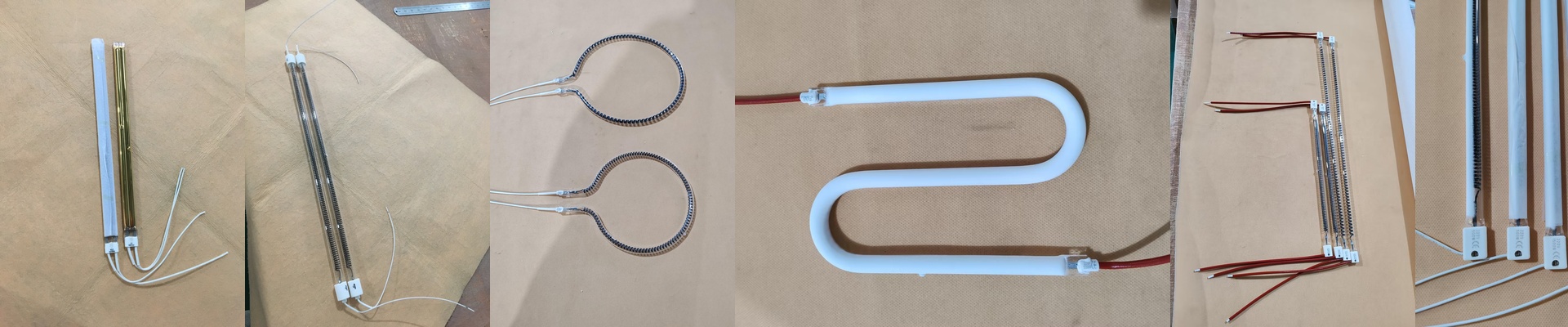
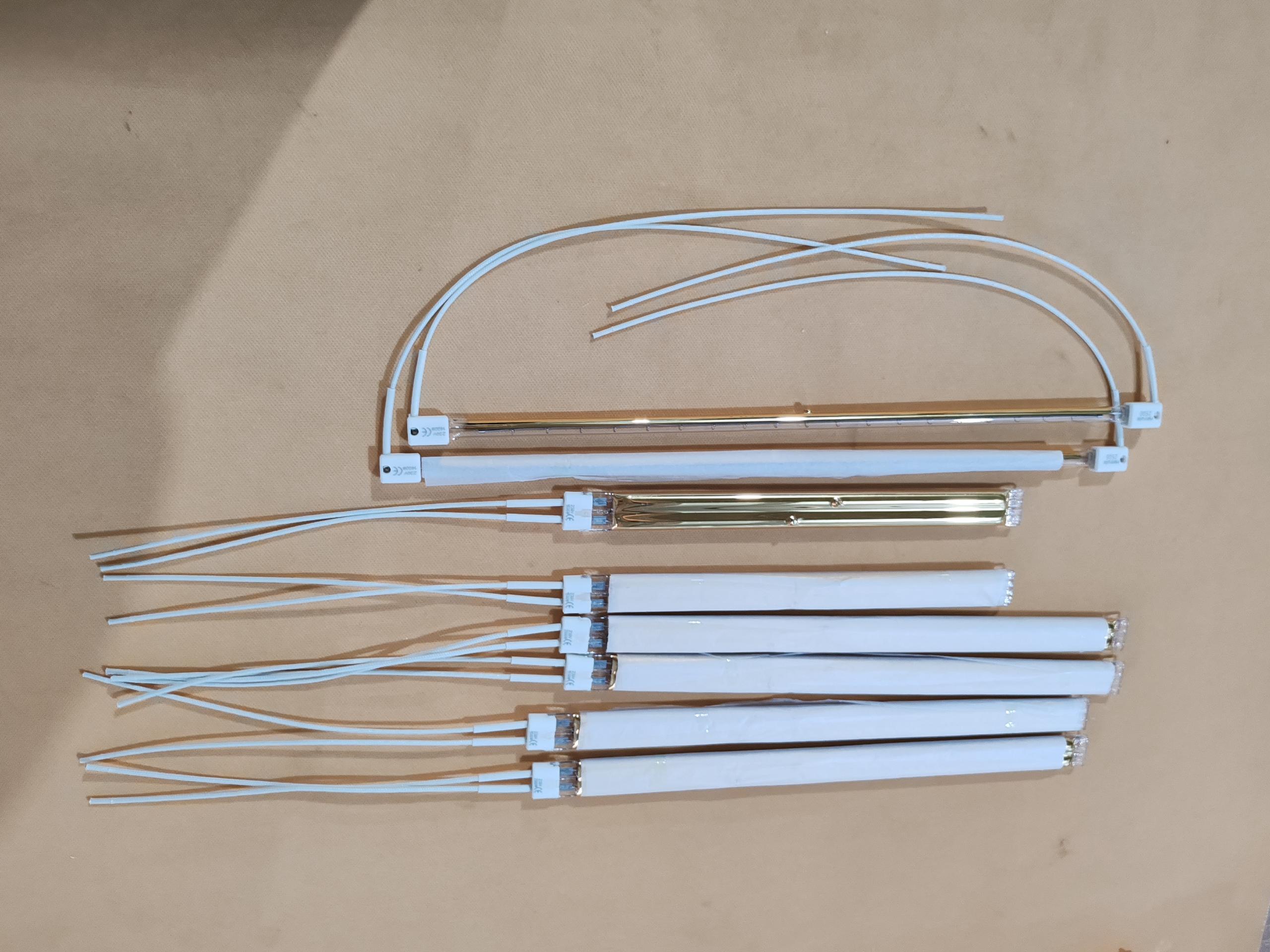
Let’s Talk About Carbon Infrared Heaters
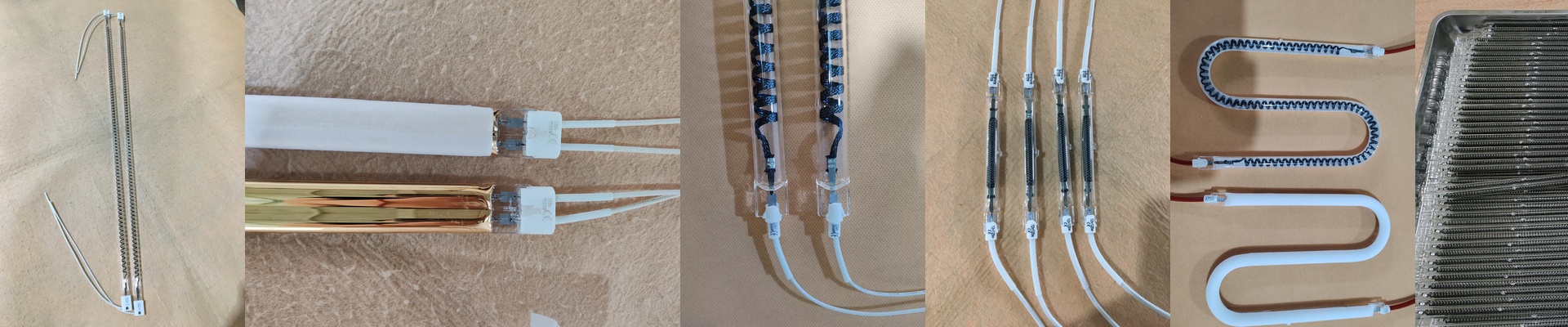
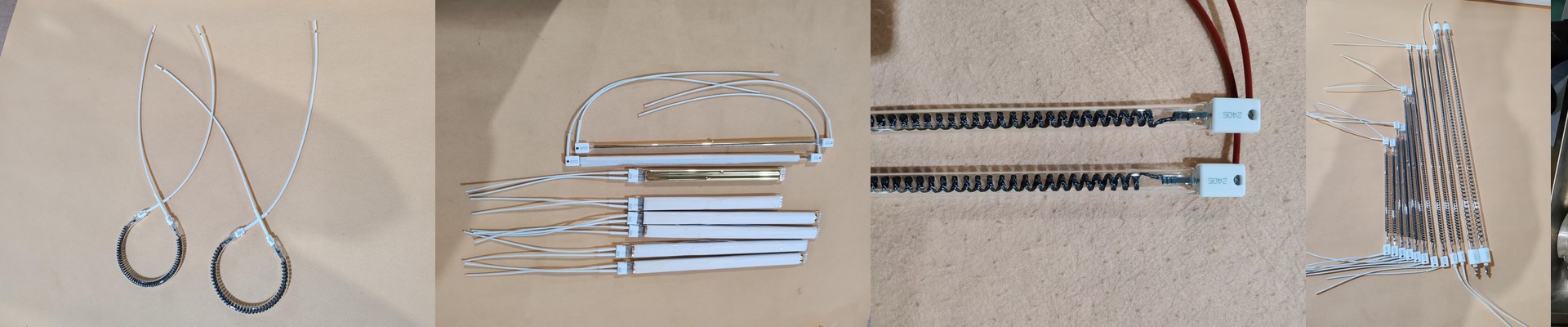
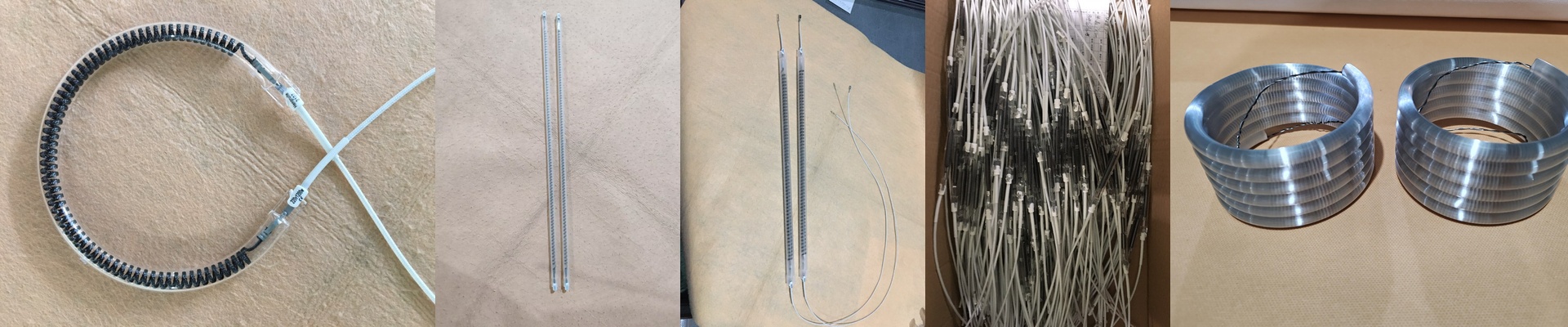
Here is the basic deal: we take a carbon fiber filament, seal it inside a quartz tube, and use electricity to create short-wave radiation. Now, if you’ve used those old-school metal coil heaters, you know they take a minute to get going. Carbon is different. It doesn’t need to get nearly as hot to throw out more infrared energy. The result? It heats up fast. Really fast. And that changes everything for your workflow.
Getting the Power Right
When we build these tubes, we focus on how much heat you need packed into a specific length. If you go with a high-voltage setup—think 230V or 400V—you’re pulling less current to get the same amount of heat. That’s a win because you can use thinner wiring without worrying about everything melting down. But here is the catch: if you cram too much wattage into a short tube, that quartz gets screaming hot. You’ve got to make sure your housing has plenty of airflow. If it doesn’t, the glass can crack from the thermal shock, and nobody wants to deal with that on a Tuesday morning.
The Nitty-Gritty on Materials
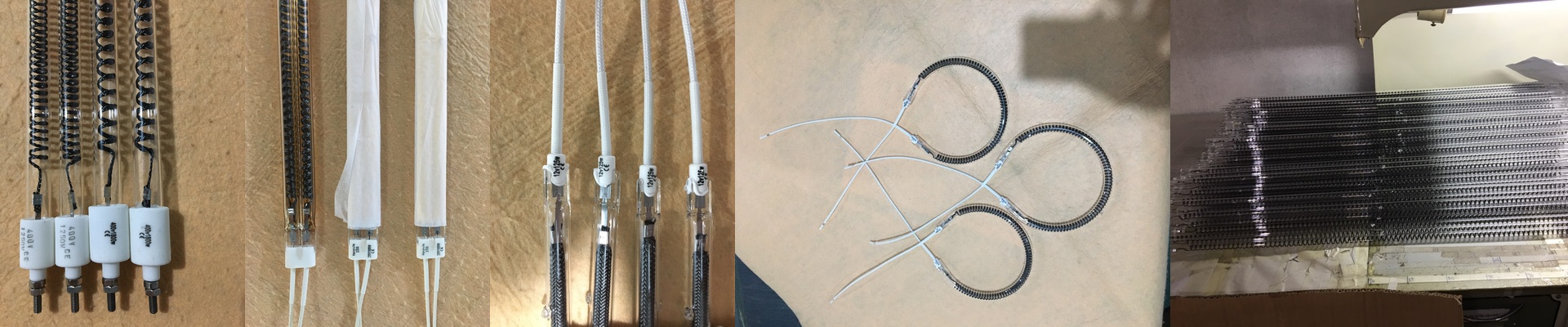
We vacuum-seal that carbon filament in high-purity quartz to keep things stable. Depending on what you’re doing, we can add special coatings to the glass. Some help tweak the heat spectrum, while others act like a shield if you’re worried about chemical splashes hitting the tube. For the connections, we stick with R7s or SK15 bases. They’re basically plug-and-play for most industrial racks. They keep the electrical contact tight, which stops arcing at the terminals—the kind of annoying failure that usually happens when your machinery is vibrating constantly.
Using Them on the Floor
You’ll mostly find these in PET blowing, paint curing, or plastic welding. Since these heaters hit their target temperature almost instantly, you can flick them on and off rapidly to keep your temps exactly where they need to be. You don’t have to lug around massive heat sinks to stabilize things. Just a heads-up: short-wave IR is intense. If the lamp is too close to your workpiece, it can actually degrade certain polymers. Just keep an eye on your focal point so you don’t accidentally scorch your materials.