
Introduction
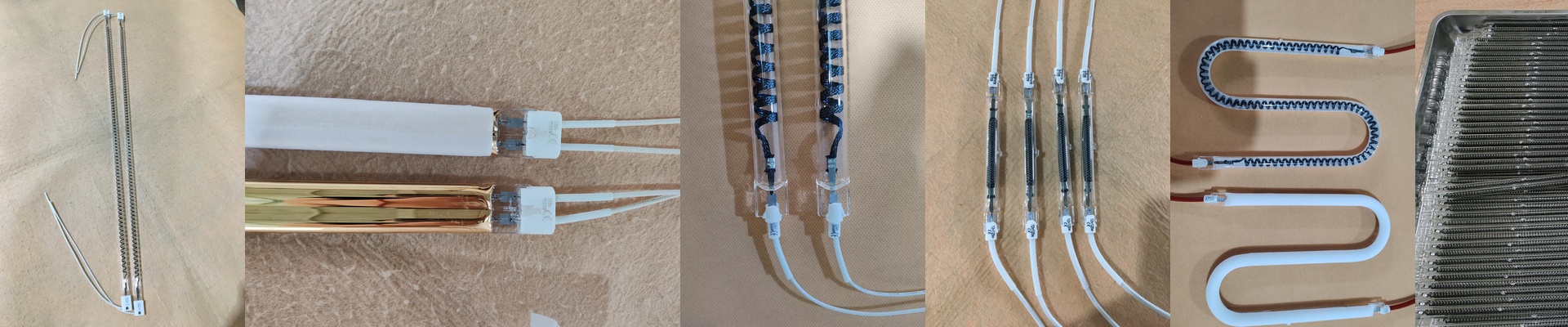
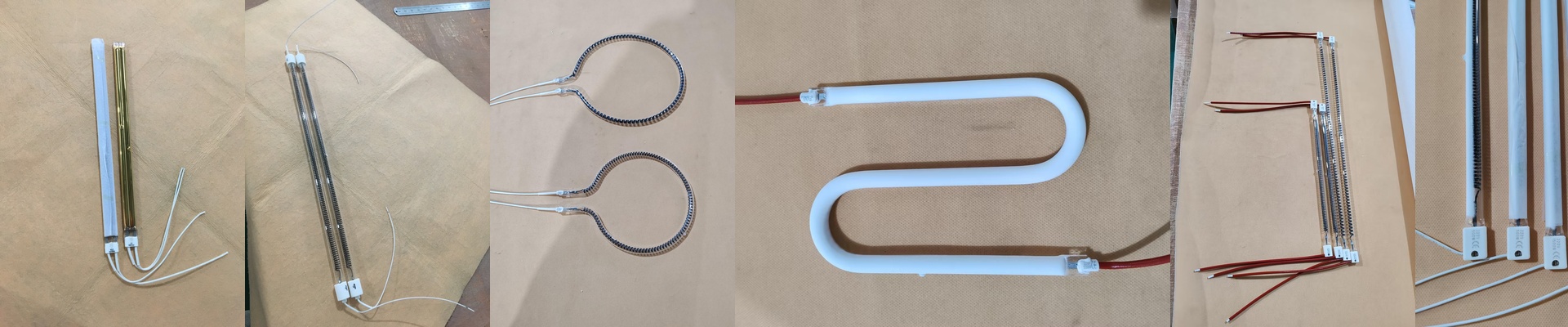
We built this lamp-style carbon heating element for engineers who need heat that’s tough, focused, and fits a specific space. It’s 800mm long, runs at 2000W, and pours out dense infrared heat—exactly the kind you want when industrial work demands a fast response and a steady output.
Power, length, and the electrical side—kept real
That 2000W rating on an 800mm tube isn’t random. It gives you enough punch to heat larger areas quickly, without forcing you to blow up your enclosure size. And the length? It gives you predictable heat spread, so you can match the hot zone to your part and your line speed without guessing. Voltage is set to match your control system and supply. Run it on the correct voltage, and the element settles in fast, with a stable resistance curve. But here’s the part that trips people up: undersized wiring or weak contactors will drop voltage and create uneven temperature. Size the feed line and terminals for the full load, and you get repeatable performance—day after day.
What’s inside: carbon, quartz, and connections that hold up
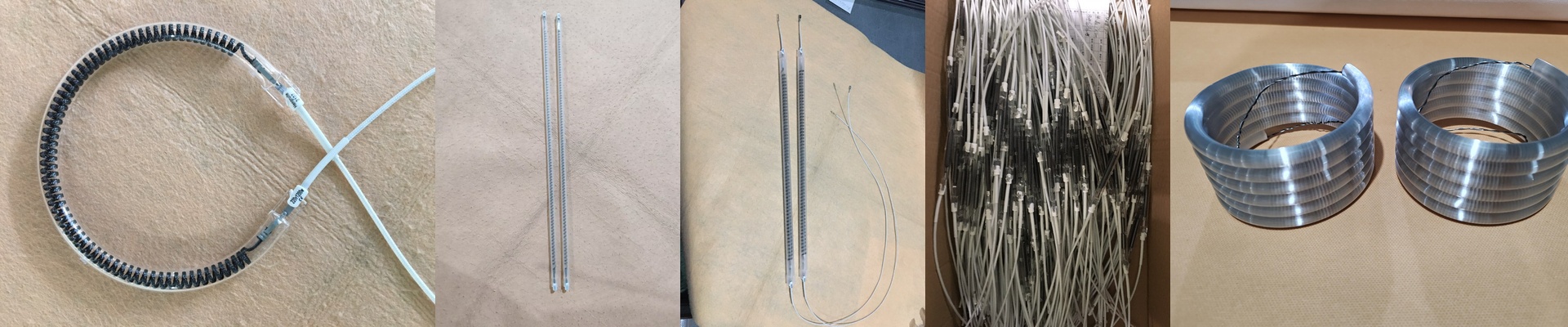
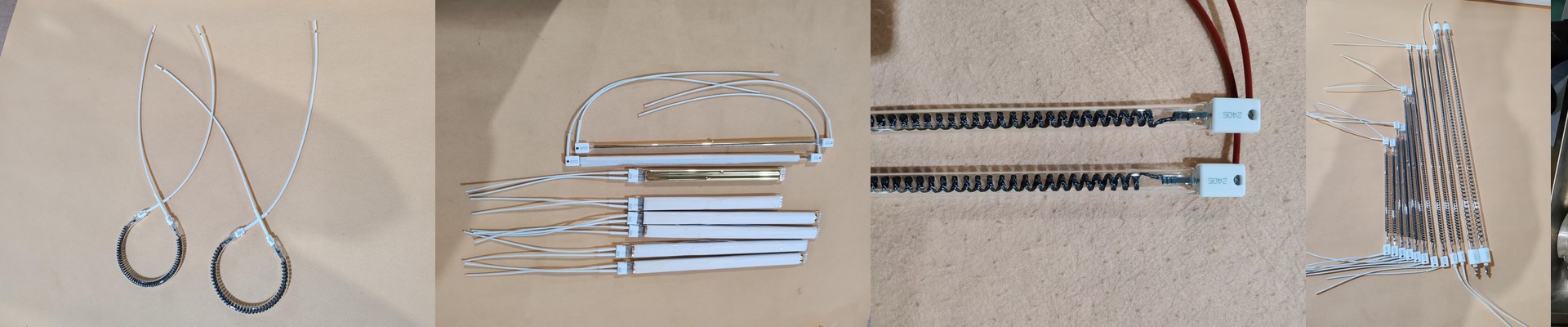
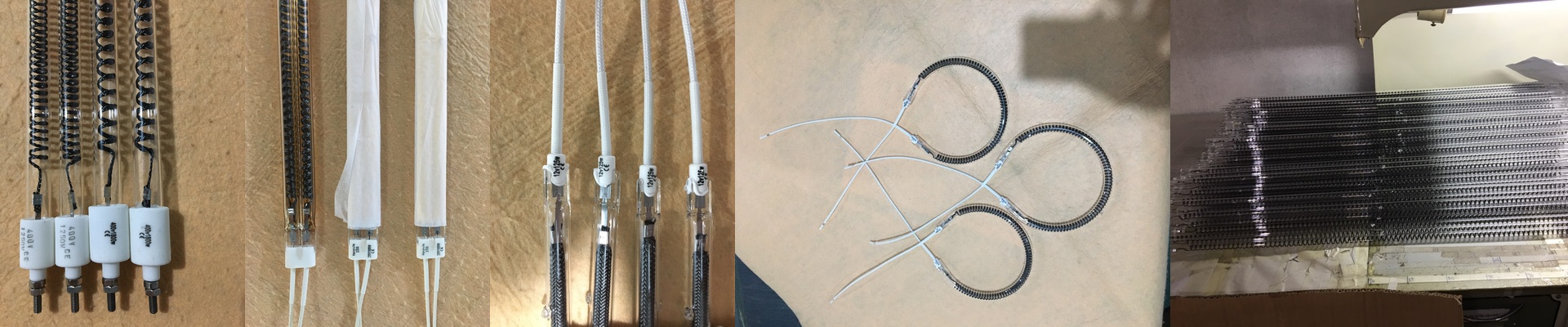
At the heart is a carbon filament inside a quartz envelope. Carbon delivers broad infrared that penetrates surfaces evenly, and quartz can handle rapid heating and cooling cycles without cracking. It also stays highly transparent, so more of the generated energy gets where you need it. Connectors matter when you’re out on the floor. We use end-cap connections built for high current and the kind of vibration that never stops. And the design is meant to be a direct swap for common lamp-style heater formats—so you can replace it without reworking the mount. Expect tight tolerances on length and terminal alignment, because that’s what keeps the joints cool and prevents hot spots.
Where this setup shines
Use this when you need heating that turns on fast and shuts off fast, in a compact footprint. Think plastic processing, coating curing, adhesive activation—any line where time is tight and temperature control matters. The 800mm length gives you a wide zone, while the 2000W keeps cycle times short. Now, the trade-off: 2000W means serious heat density. Your machine’s cooling and airflow have to be up to the task. If they aren’t, nearby components will run hot. Treat this like the high-output tool it is, not a general-purpose heater, and it will perform reliably.